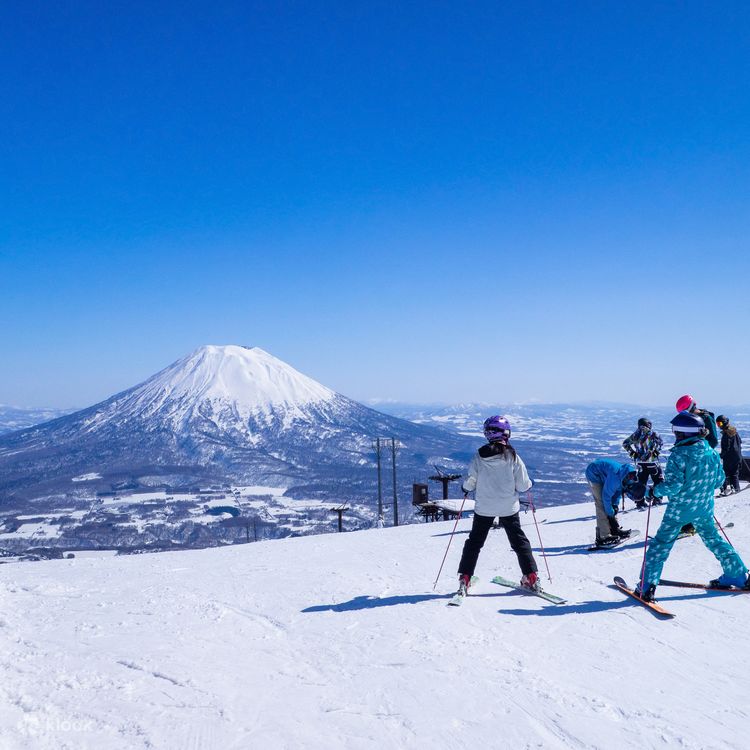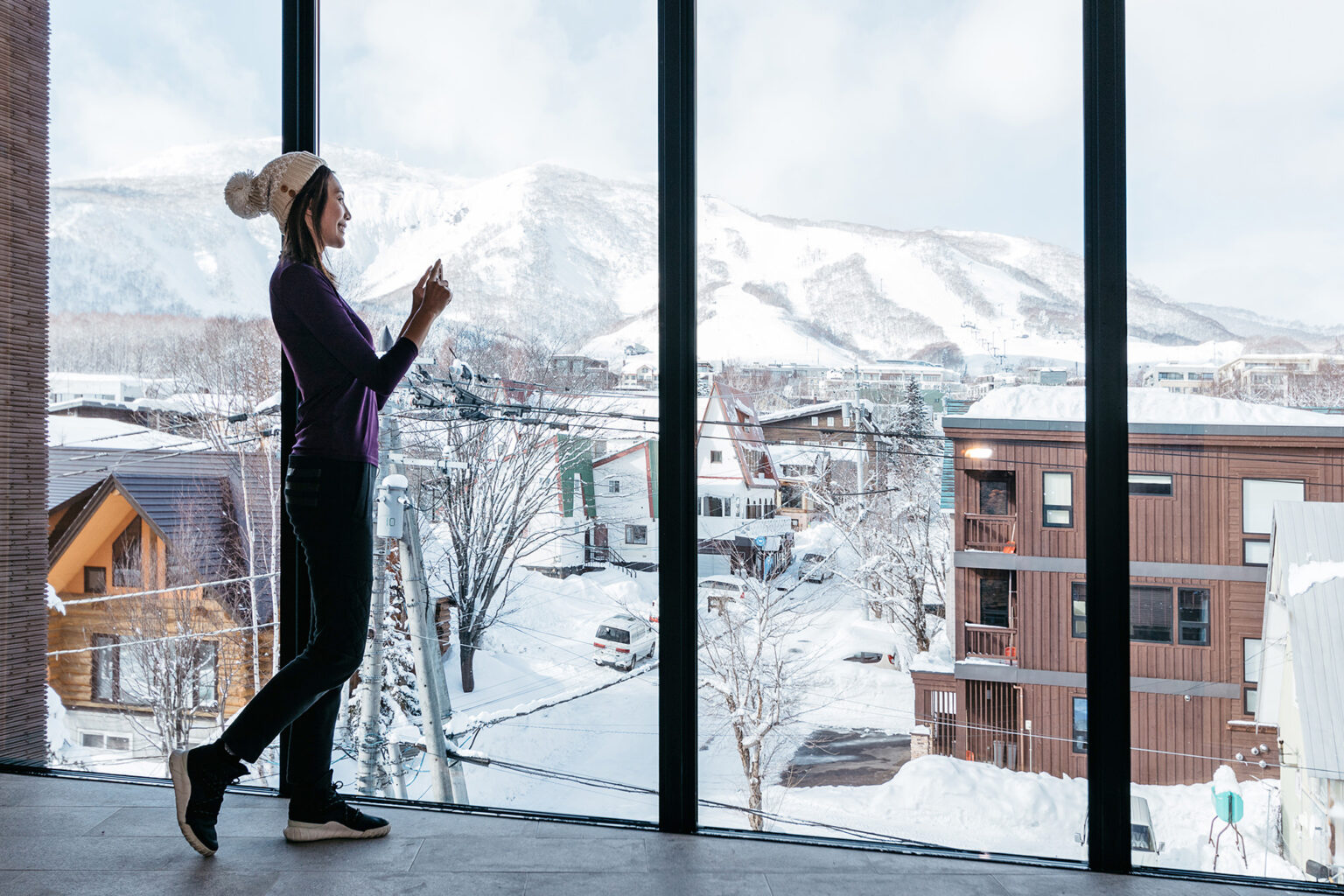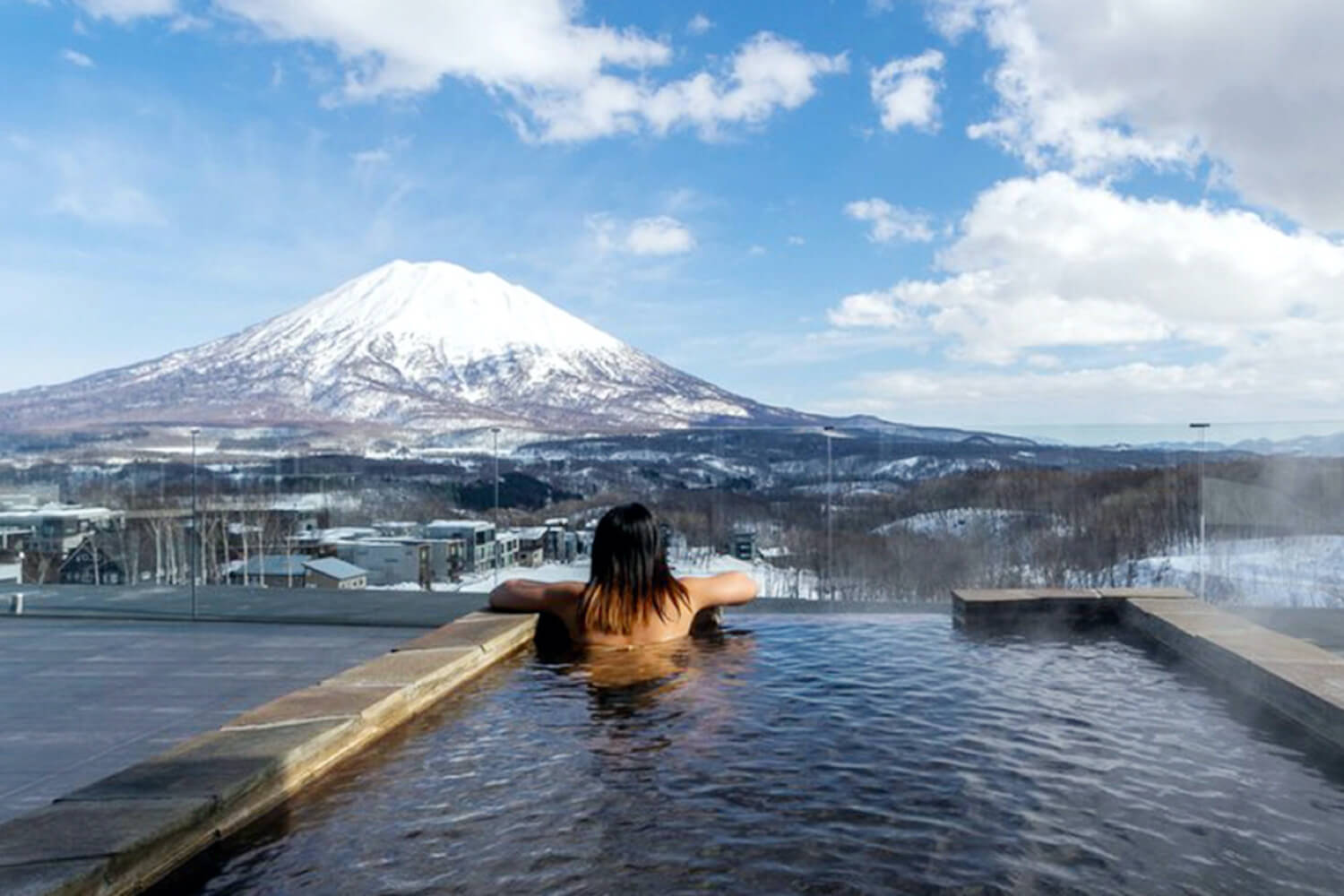
For travellers planning a ski holiday, staying close to the ski lifts can maximise time on the slopes and reduce daily travel. Accommodation in Hirafu Village is generally considered the most convenient option due to its proximity to the Grand Hirafu ski area, the largest and most popular ski resort in Niseko.
Many visitors choose luxury accommodation in central Hirafu because it offers easy access to ski lifts, restaurants, equipment rentals, and après-ski experiences. Properties such as Aspect Niseko provide a convenient base for guests who want to enjoy both skiing and village amenities throughout their stay.
Why Staying Near Ski Lifts Matters
One of the biggest advantages of choosing accommodation close to ski lifts is convenience.
Benefits include:
- More time on the slopes
- Easier access for families
- Reduced transportation requirements
- Convenient equipment handling
- Greater flexibility throughout the day
- Easier access to ski schools and lessons
For many visitors, walking to the lifts is one of the most important factors when selecting accommodation.
Understanding Niseko’s Main Ski Areas
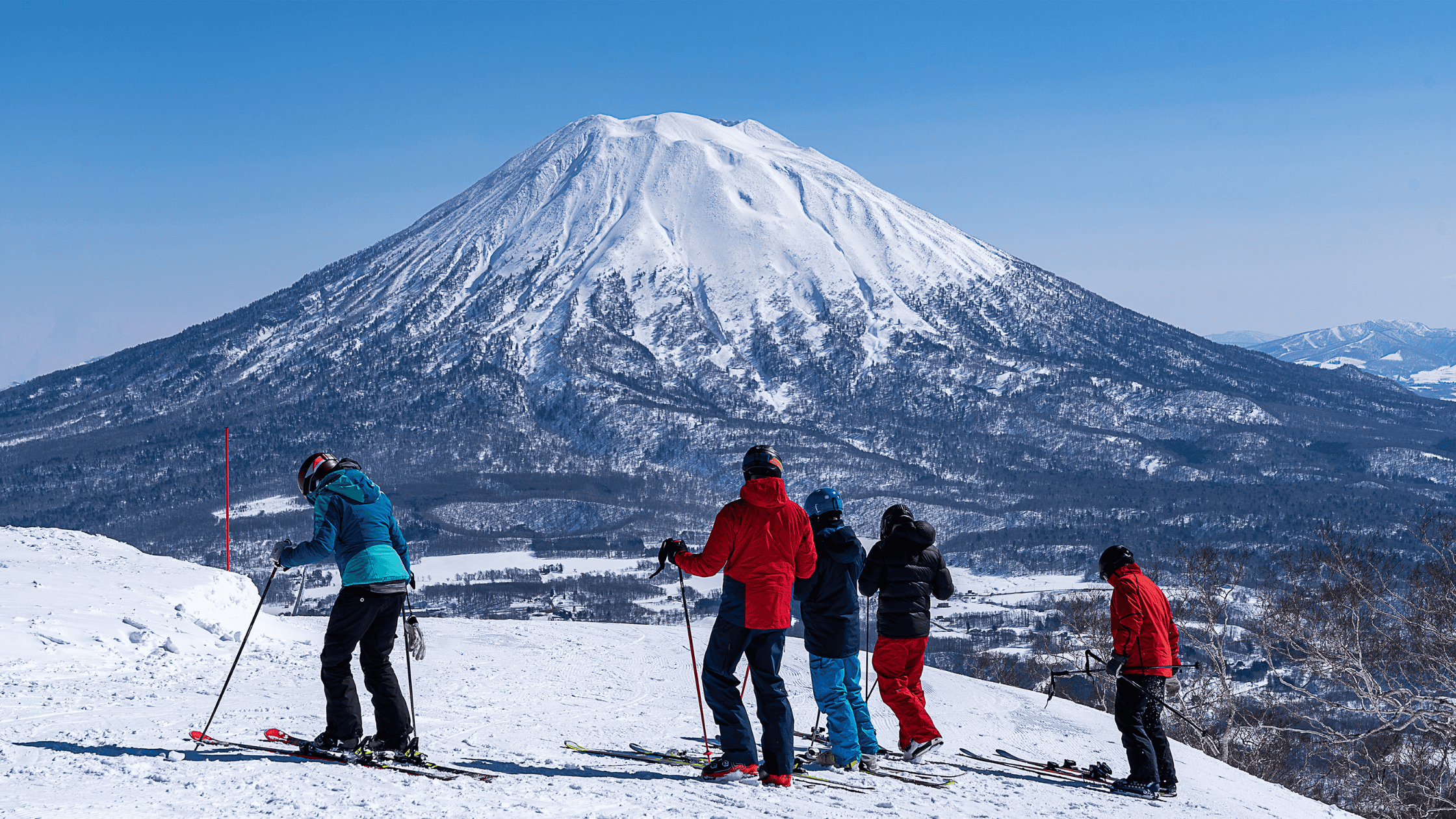
Niseko United consists of four interconnected ski resorts.
| Ski Area | Best For | Lift Access Convenience |
| Grand Hirafu | First-time visitors, families, international travellers | ⭐⭐⭐⭐⭐ |
| Hanazono | Luxury travellers and powder enthusiasts | ⭐⭐⭐⭐ |
| Niseko Village | Resort-style ski holidays | ⭐⭐⭐⭐ |
| Annupuri | Quiet family skiing | ⭐⭐⭐⭐ |
All four areas are connected, allowing visitors to explore a large ski network using a single lift pass.
Why Grand Hirafu Is the Most Popular Area for Ski Accommodation
Grand Hirafu is widely regarded as the centre of Niseko’s ski experience.
Advantages include:
- Largest lift network
- Extensive ski terrain
- Ski schools and lessons
- Equipment rental shops
- Restaurants and cafés
- Night skiing opportunities
- Easy transportation connections
For first-time visitors, staying near Grand Hirafu often provides the most convenient and enjoyable experience.
Best Areas to Stay Near Niseko Ski Lifts
Different travellers have different priorities when booking accommodation.
| Traveller Type | Recommended Area |
| First-Time Visitors | Hirafu Village |
| Families | Hirafu Village |
| Luxury Travellers | Hirafu Village or Hanazono |
| Ski Enthusiasts | Hirafu Village |
| Groups | Central Hirafu |
| Long-Stay Guests | Hirafu Village |
For most visitors, Hirafu Village offers the best balance between lift access and village convenience.
Ski-In, Ski-Out vs Walk-to-Lift Accommodation
Many travellers search specifically for ski-in, ski-out accommodation. While this option can be attractive, it is not always the best choice.
Ski-In, Ski-Out Benefits
- Immediate slope access
- No daily transportation
- Convenient for experienced skiers
Potential Limitations
- Fewer nearby restaurants
- Less access to village amenities
- More isolated locations
Walk-to-Lift Accommodation Benefits
- Easy access to dining and shopping
- Greater variety of accommodation
- Better village atmosphere
- Convenient transportation options
For many visitors, a short walk to the lifts provides a better overall holiday experience.
What to Look for in Ski Accommodation in Niseko
When comparing accommodation options, consider more than just lift proximity.
Important factors include:
Location
Choose accommodation that provides access to:
- Ski lifts
- Equipment rentals
- Restaurants
- Convenience stores
- Transportation
Apartment Size
Consider whether the accommodation suits:
- Couples
- Families
- Groups
- Extended stays
Amenities
Look for:
- Ski storage
- Wi-Fi
- Laundry facilities
- Fully equipped kitchens
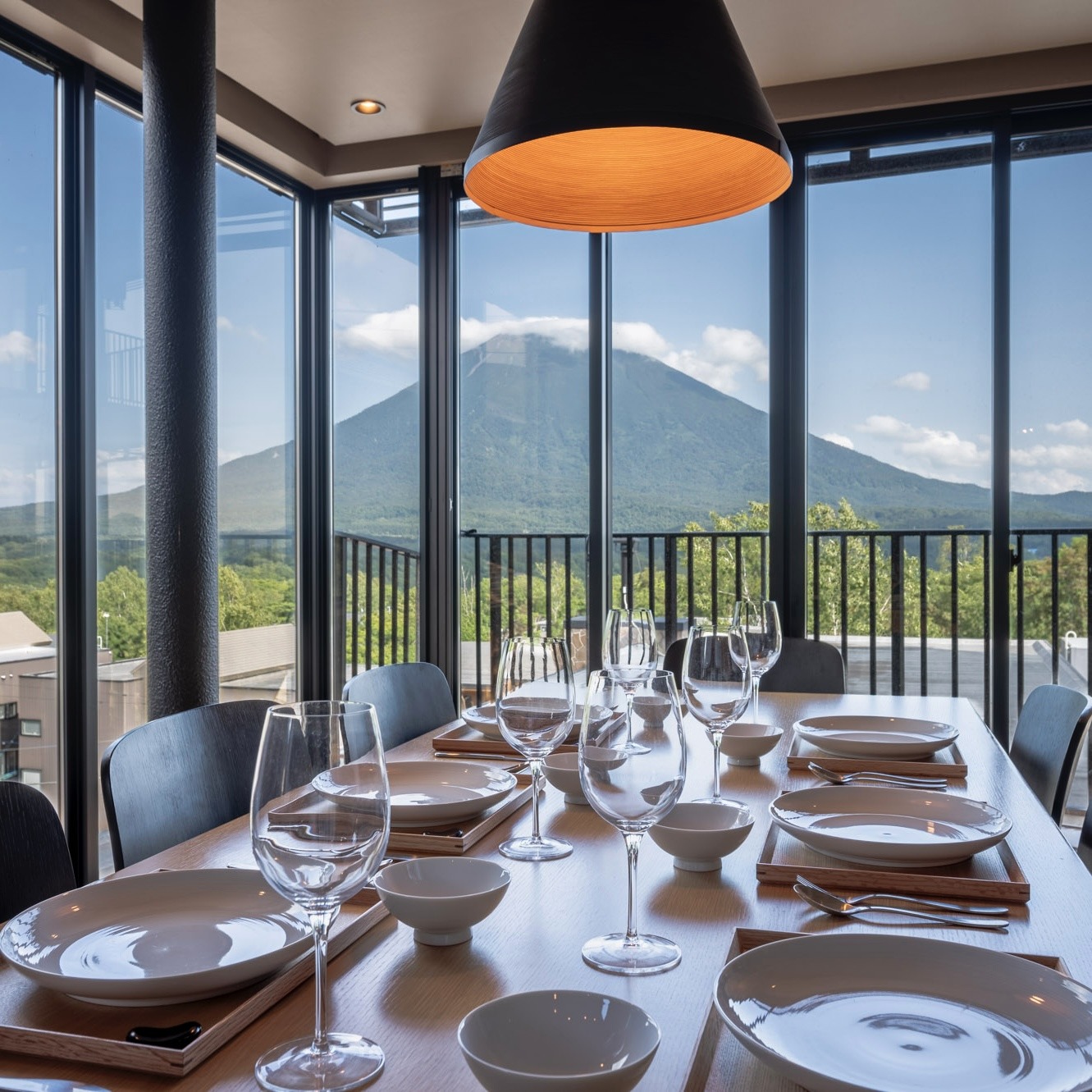
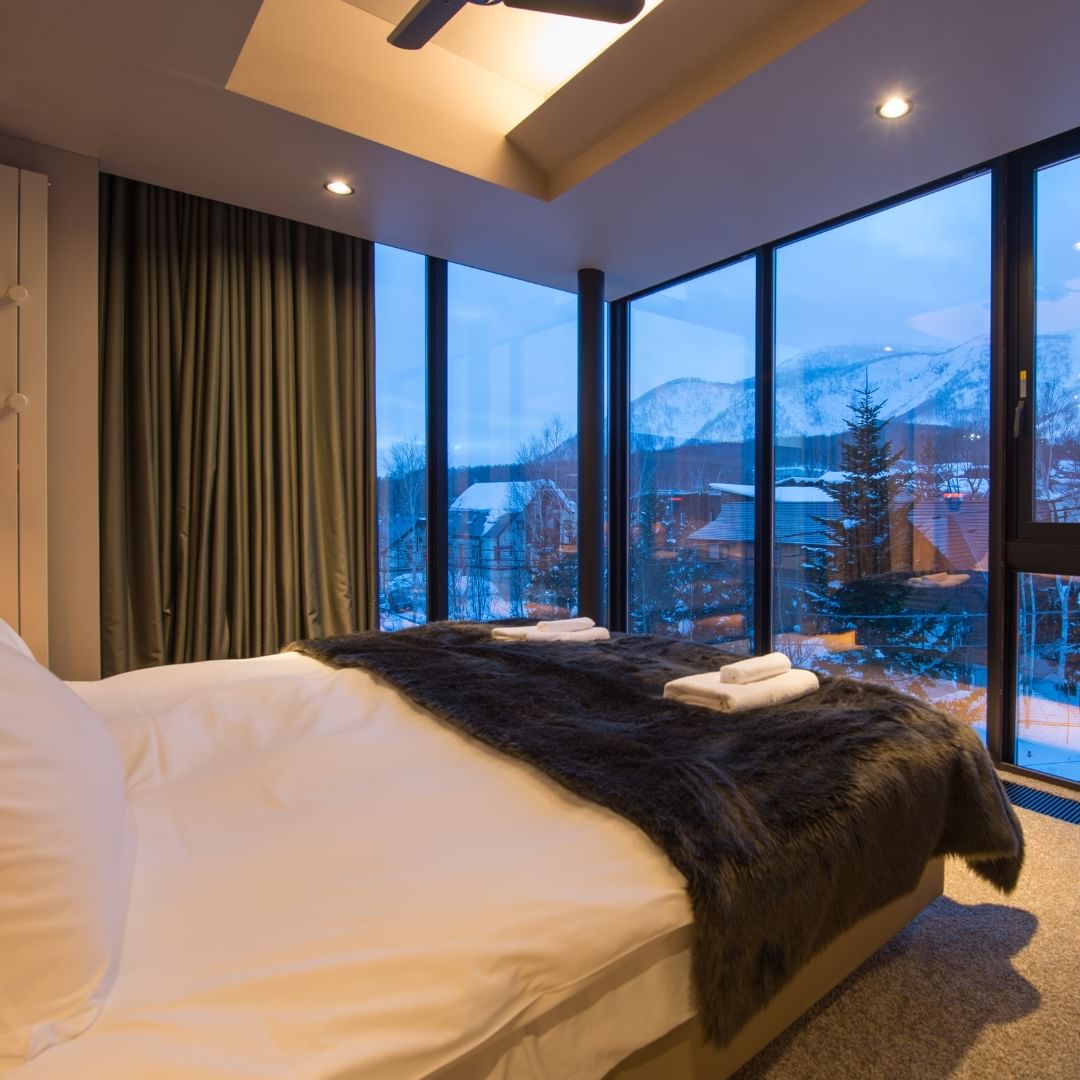
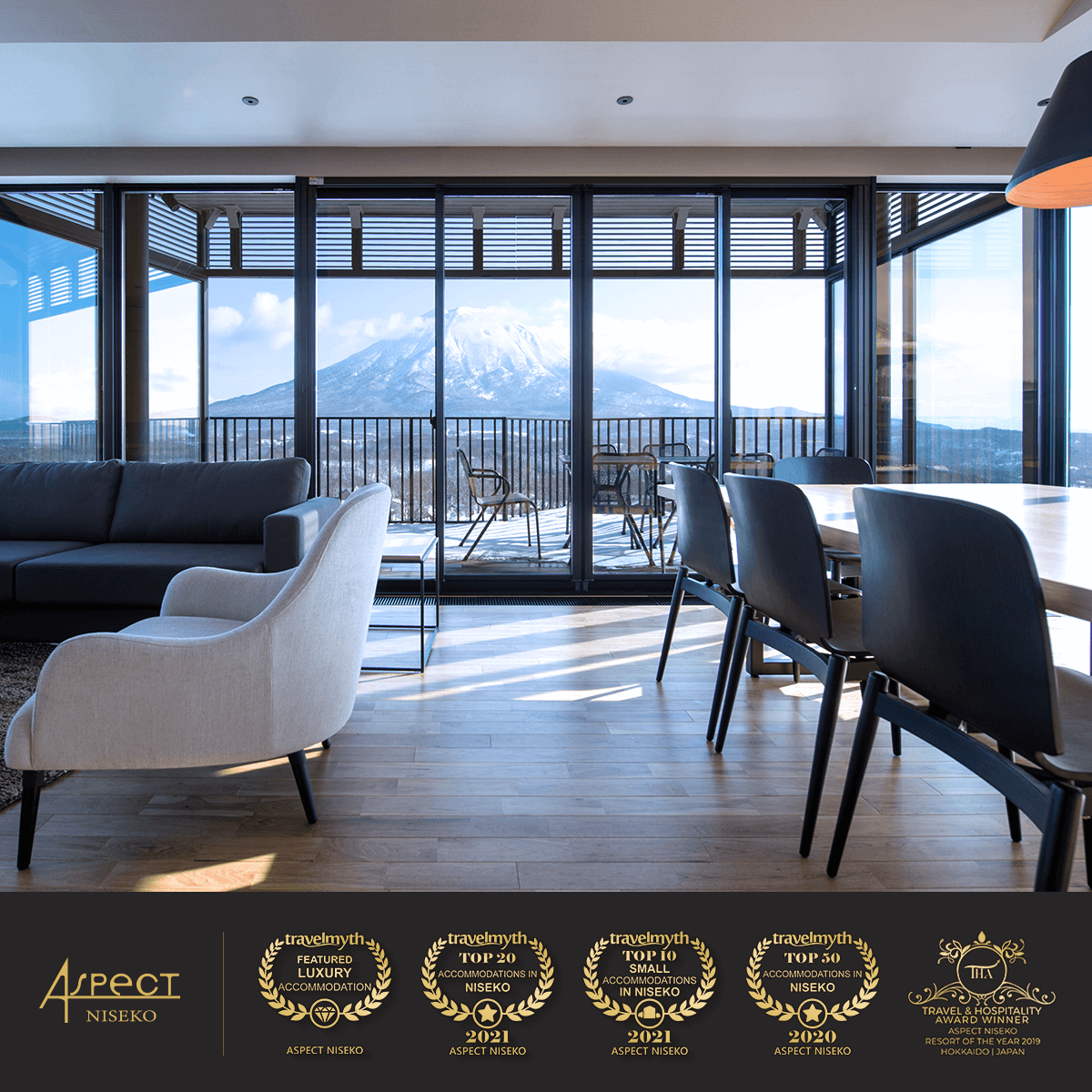
- Mountain views
Accessibility
Easy access to ski schools and beginner areas can be particularly important for families and first-time skiers.
Why Aspect Niseko Is a Convenient Choice for Ski Holidays
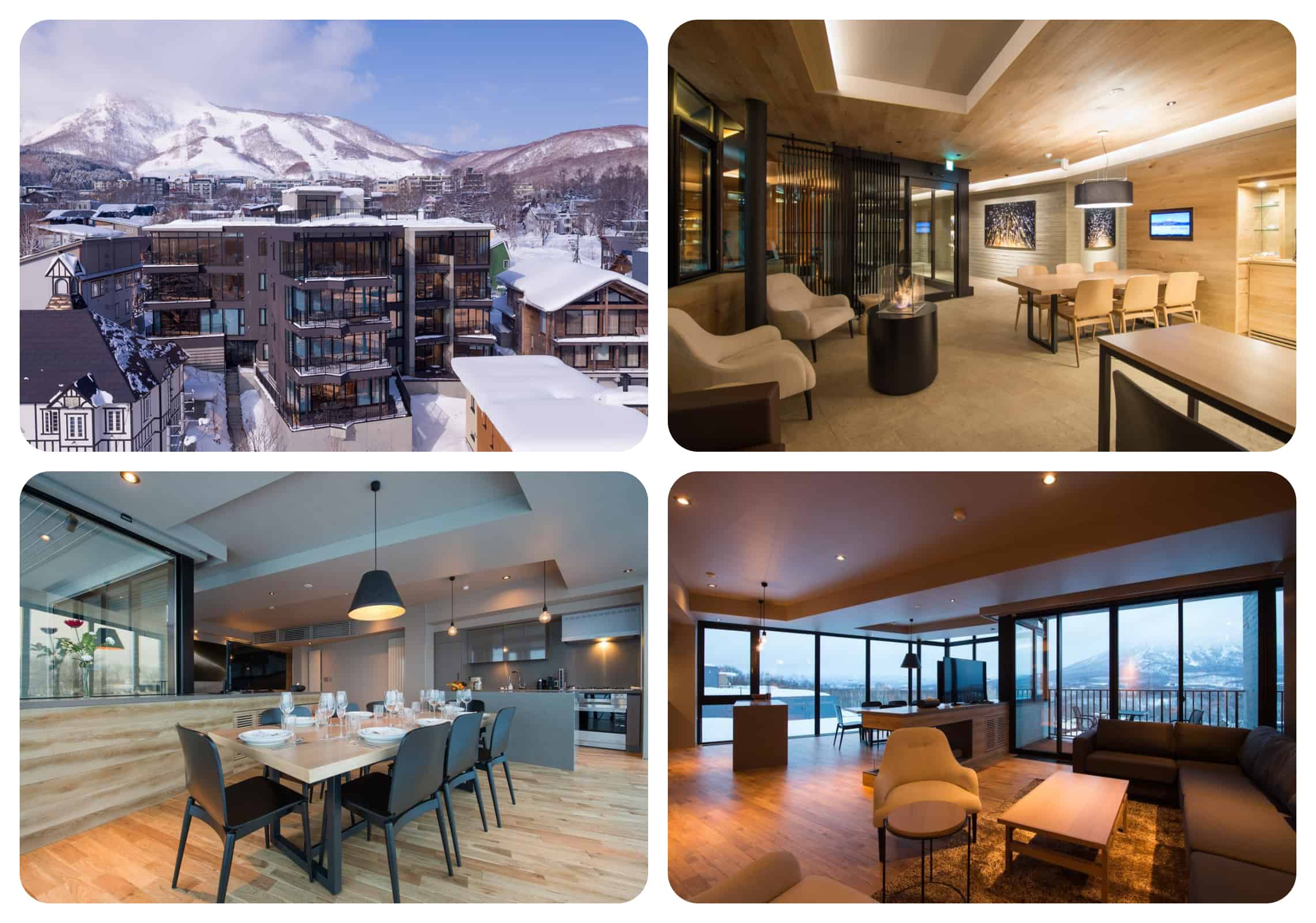
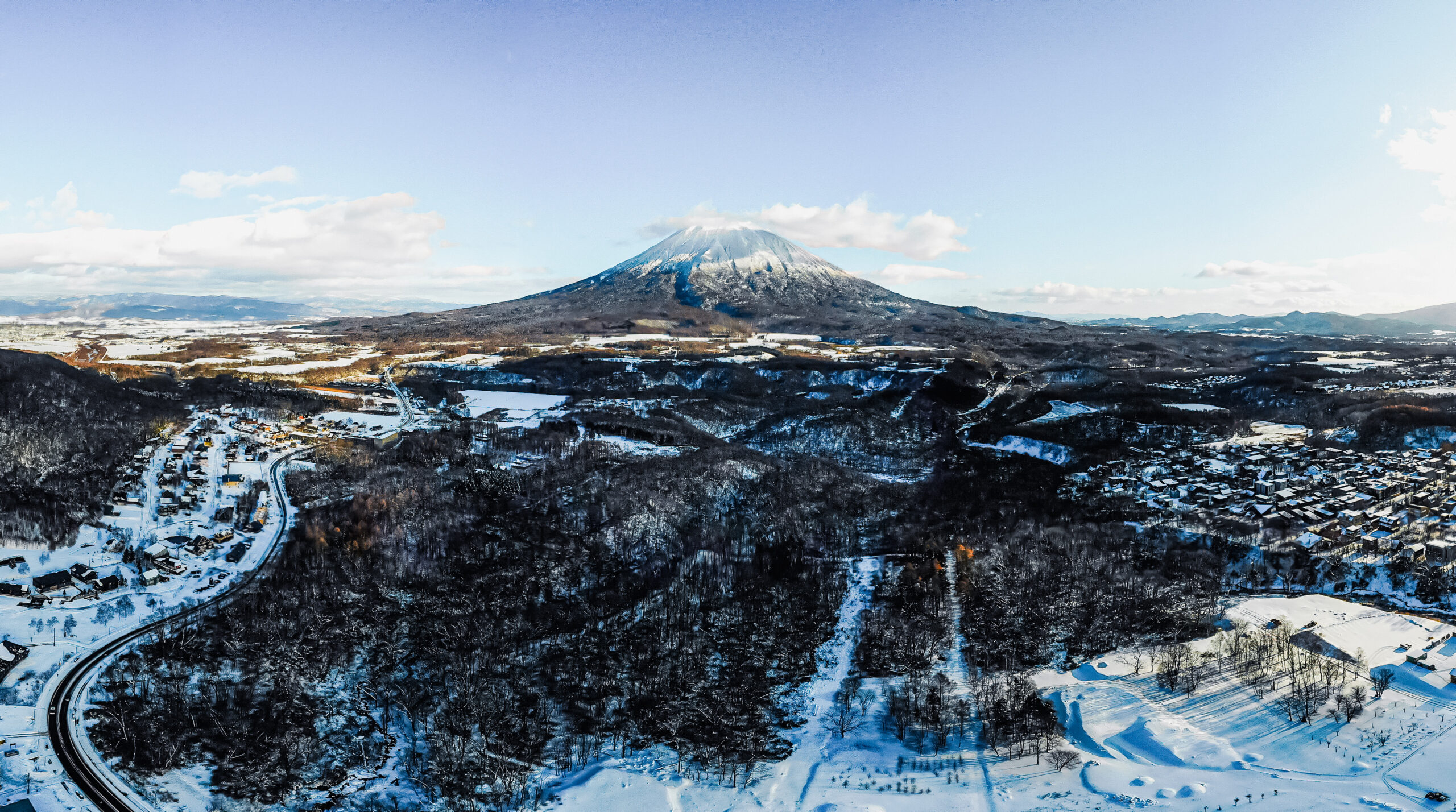
Aspect Niseko is located in the heart of Hirafu Village, placing guests within easy reach of Niseko’s most popular ski facilities and village attractions.
Central Hirafu Location
Guests enjoy convenient access to:
- Grand Hirafu ski area
- Restaurants and cafés
- Equipment rental stores
- Local transportation services
This location helps visitors spend less time travelling and more time enjoying their holiday.
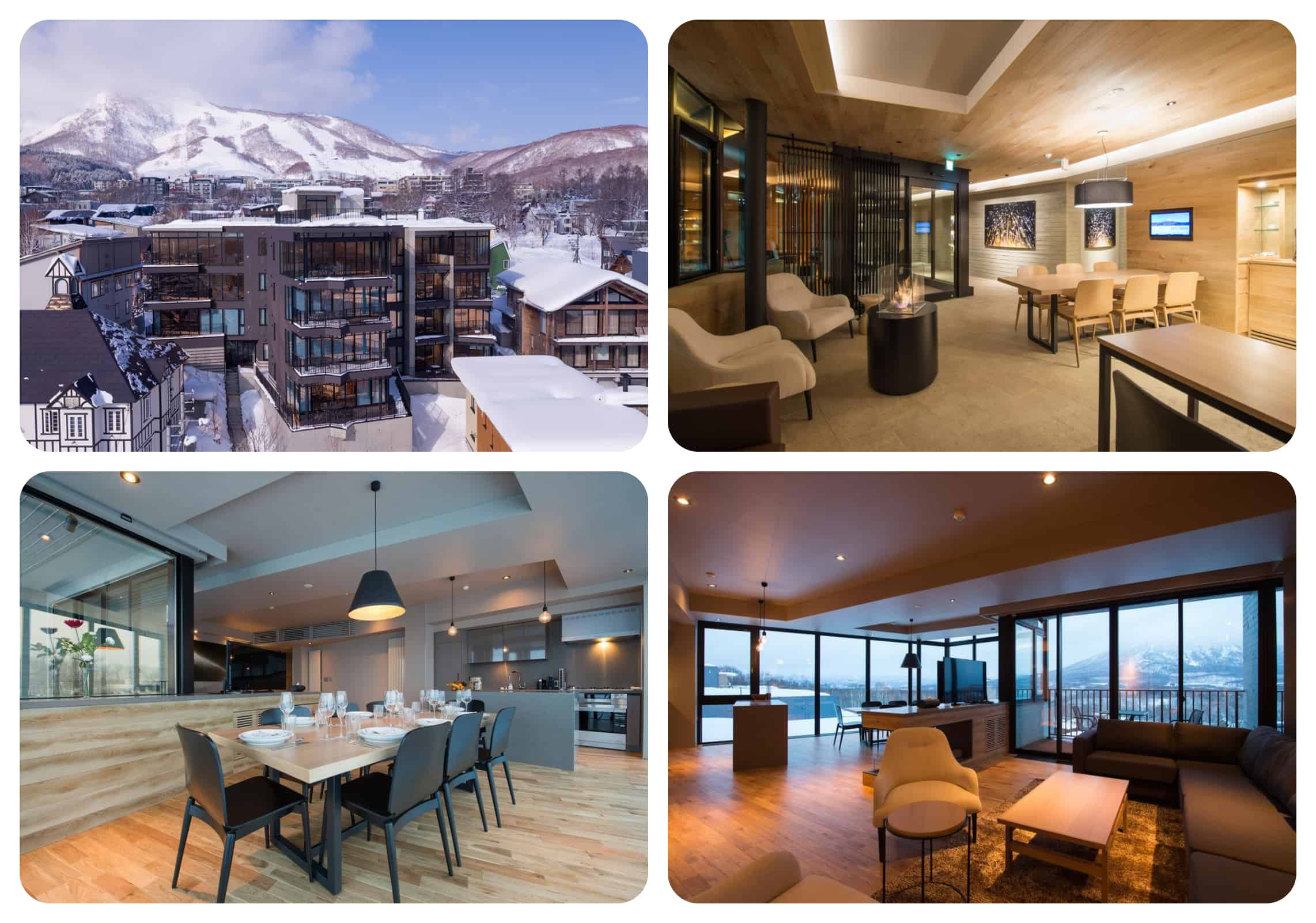
Spacious Luxury Apartments
Unlike traditional hotel rooms, Aspect Niseko offers:
- Multiple-bedroom layouts
- Fully equipped kitchens
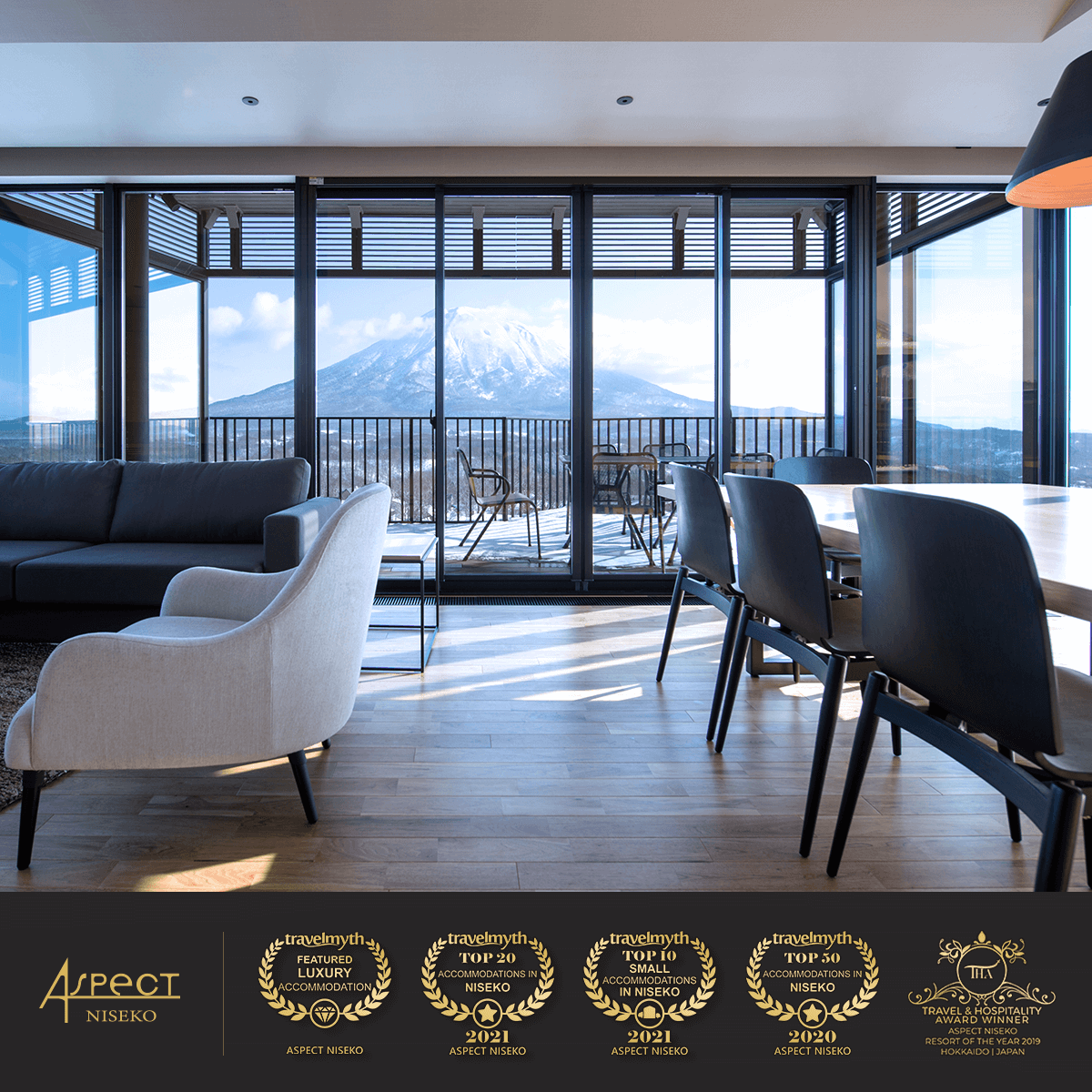
- Open-plan living areas
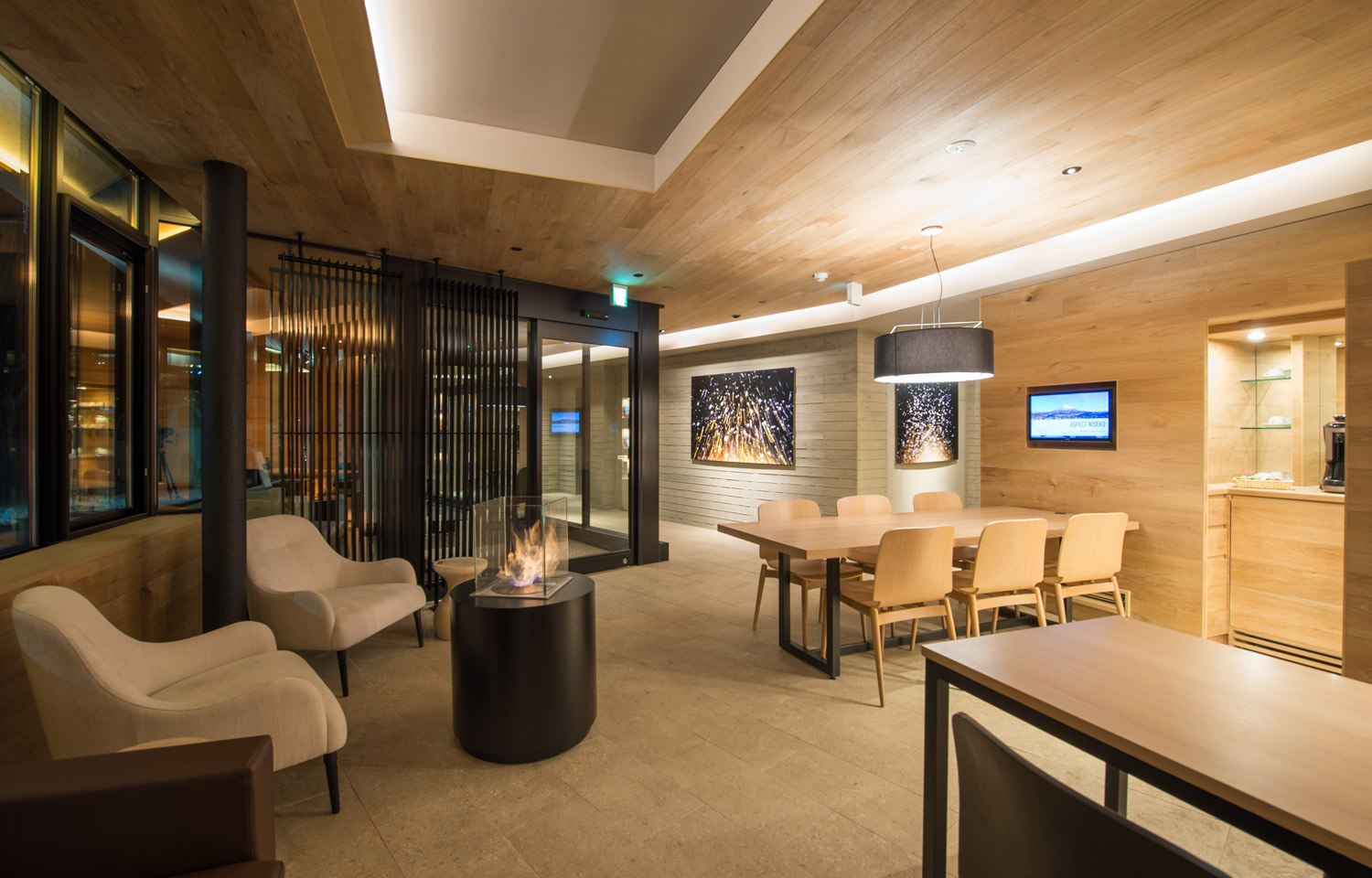
- Modern interiors
- Comfortable communal spaces
These features are particularly valuable after a full day on the slopes.
Ideal for Families and Groups
Ski holidays often involve travelling with family or friends.
Aspect Niseko’s spacious apartments provide:
- Additional privacy
- Flexible living arrangements
- Space for ski equipment
- Comfortable gathering areas
Year-Round Appeal
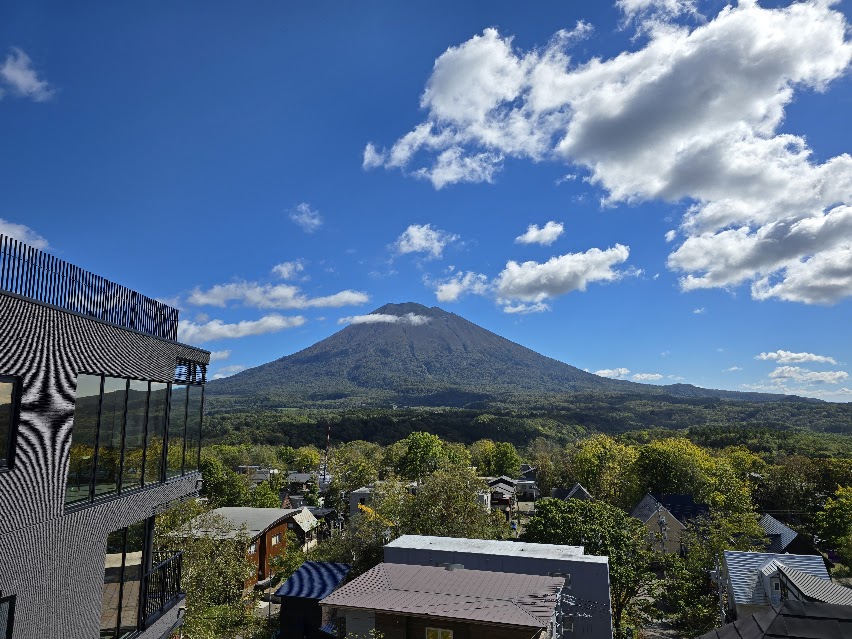
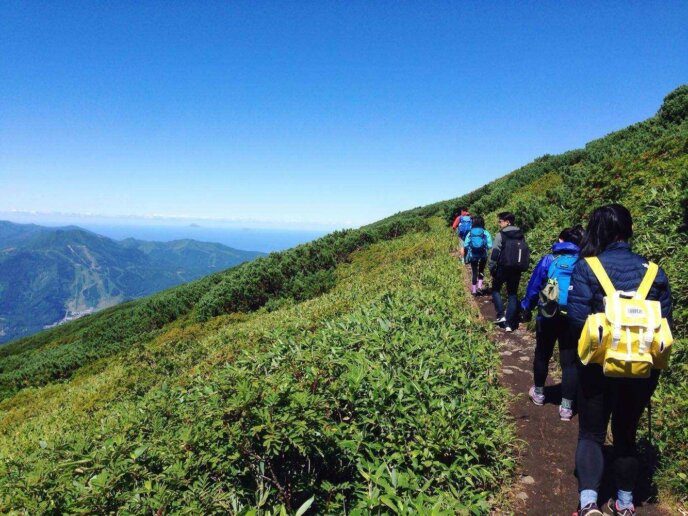
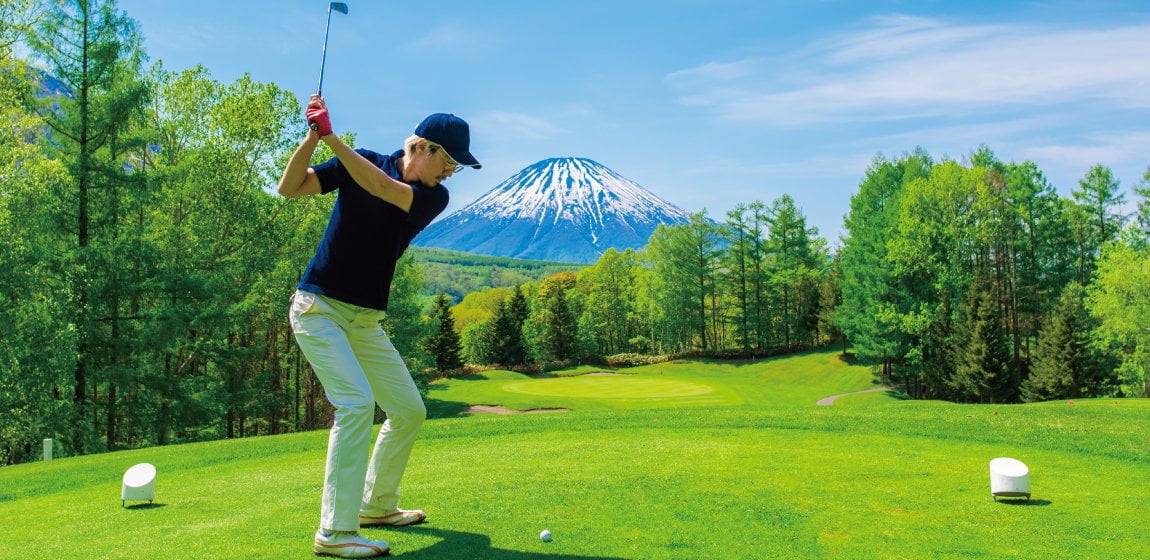
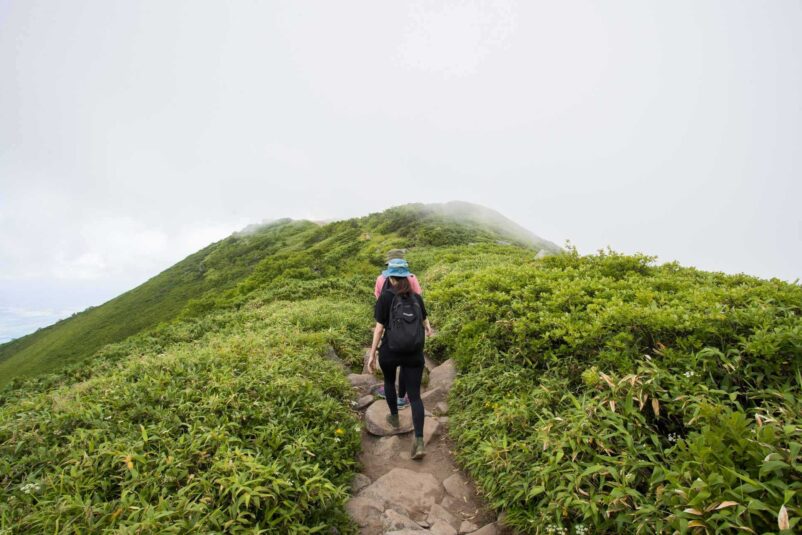
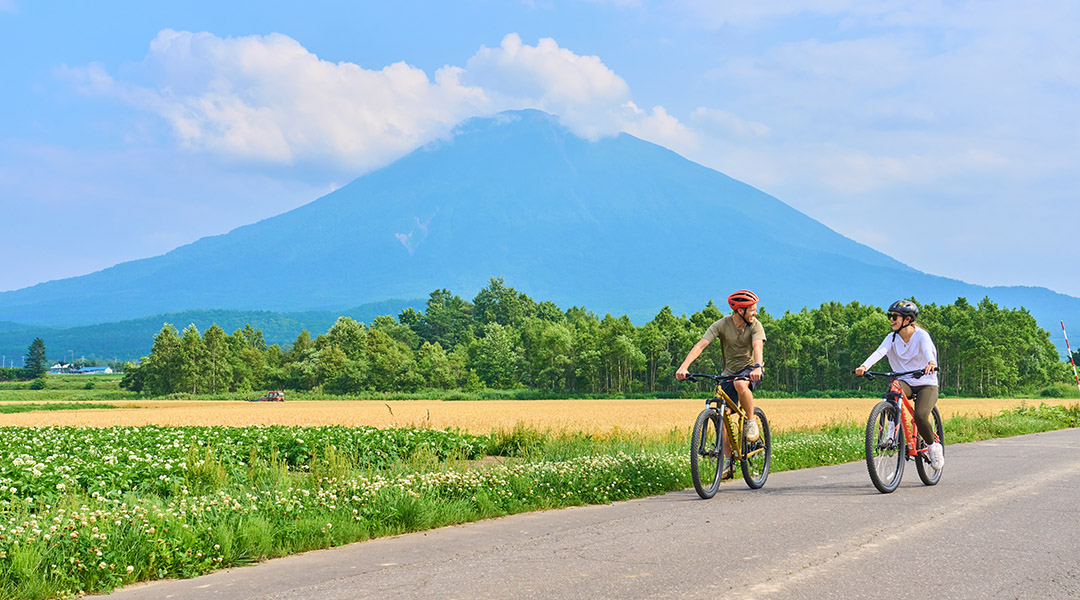
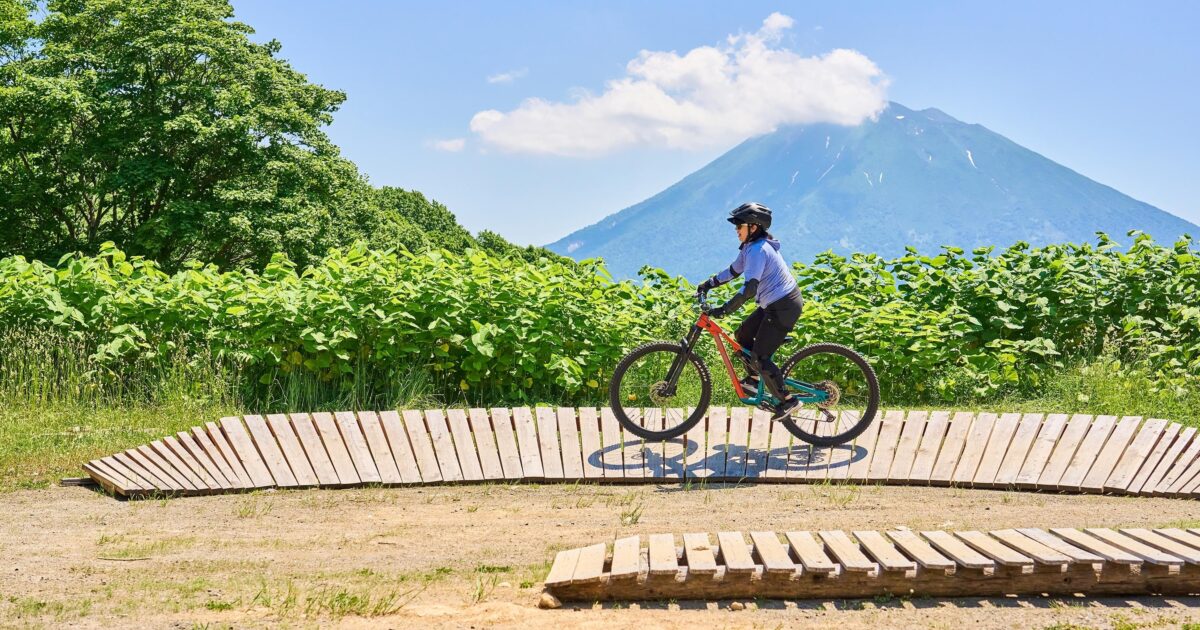
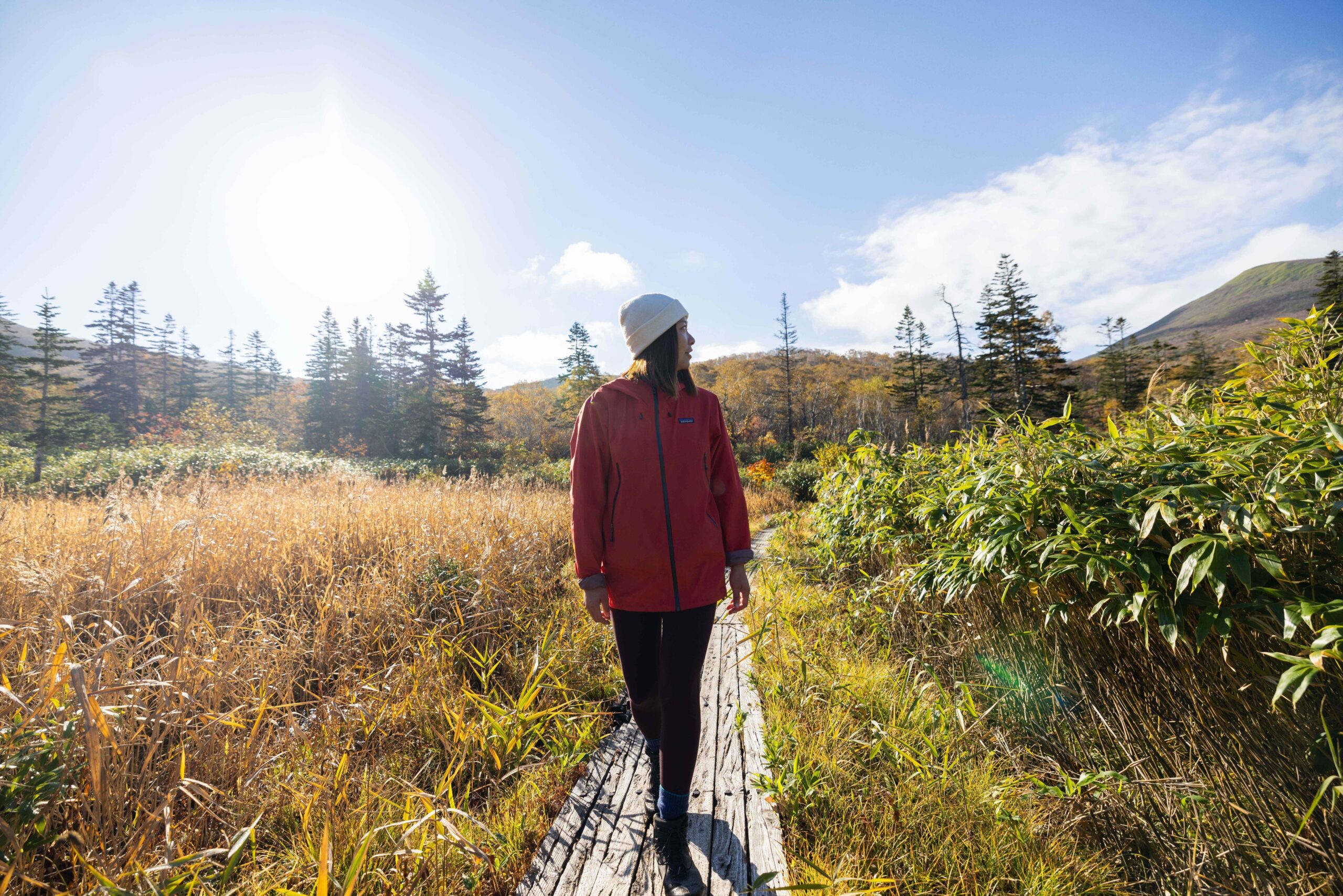
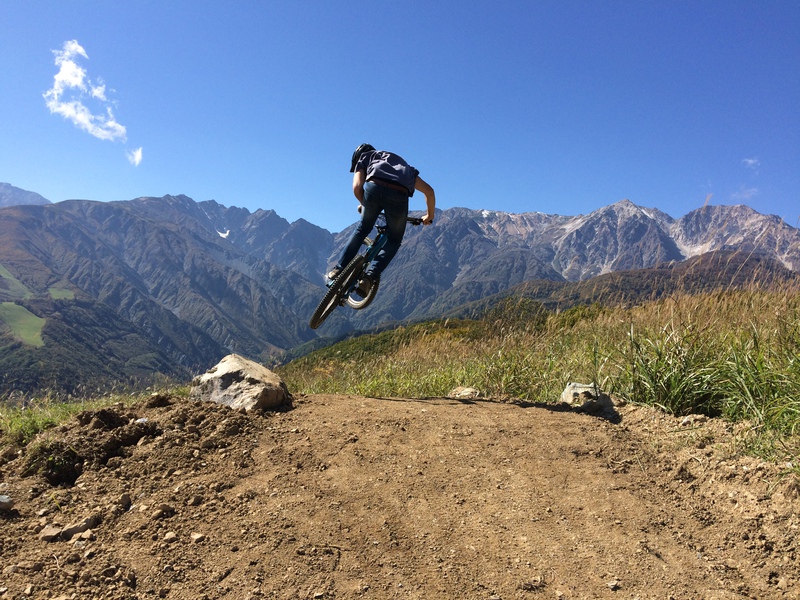
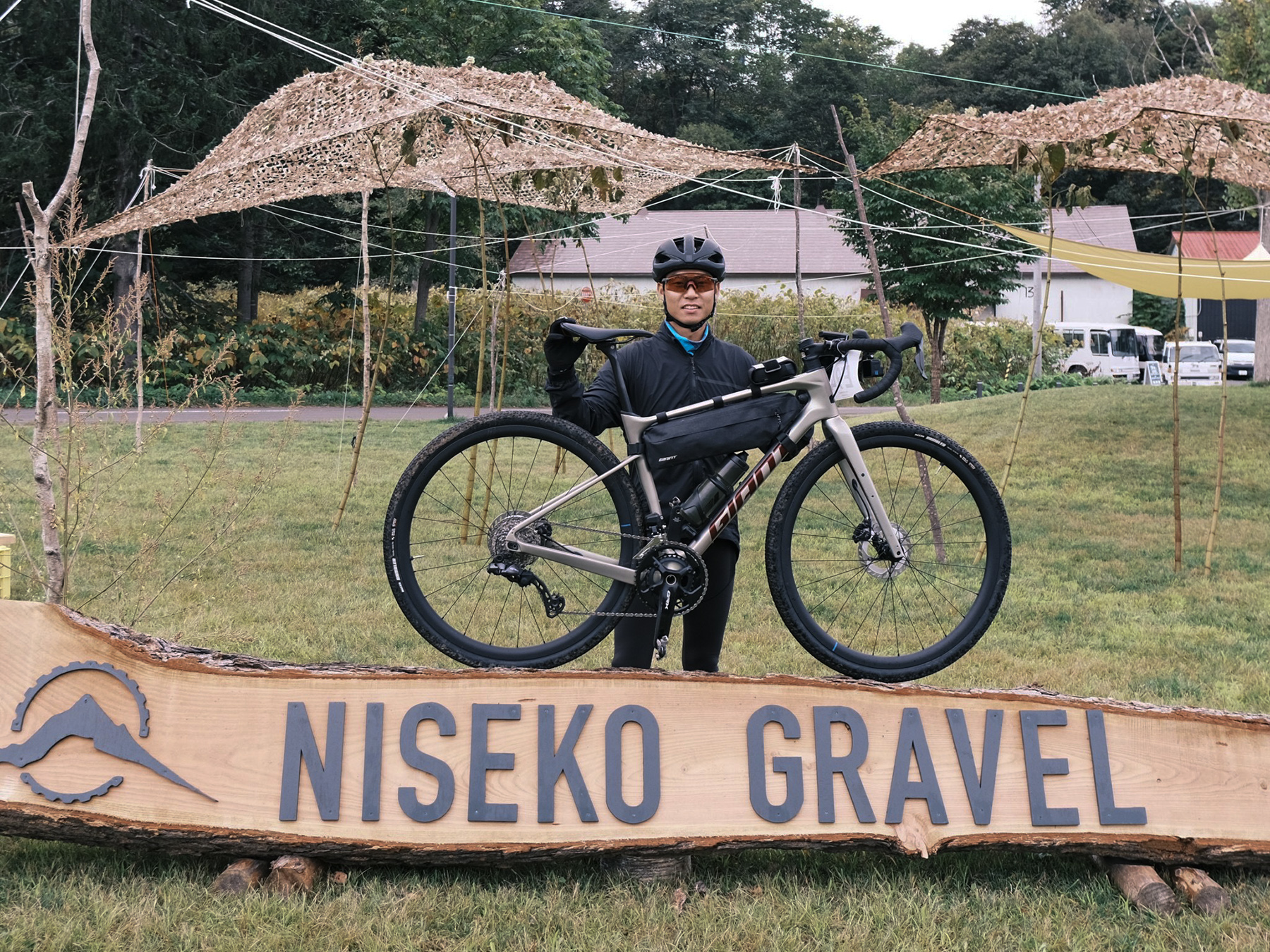
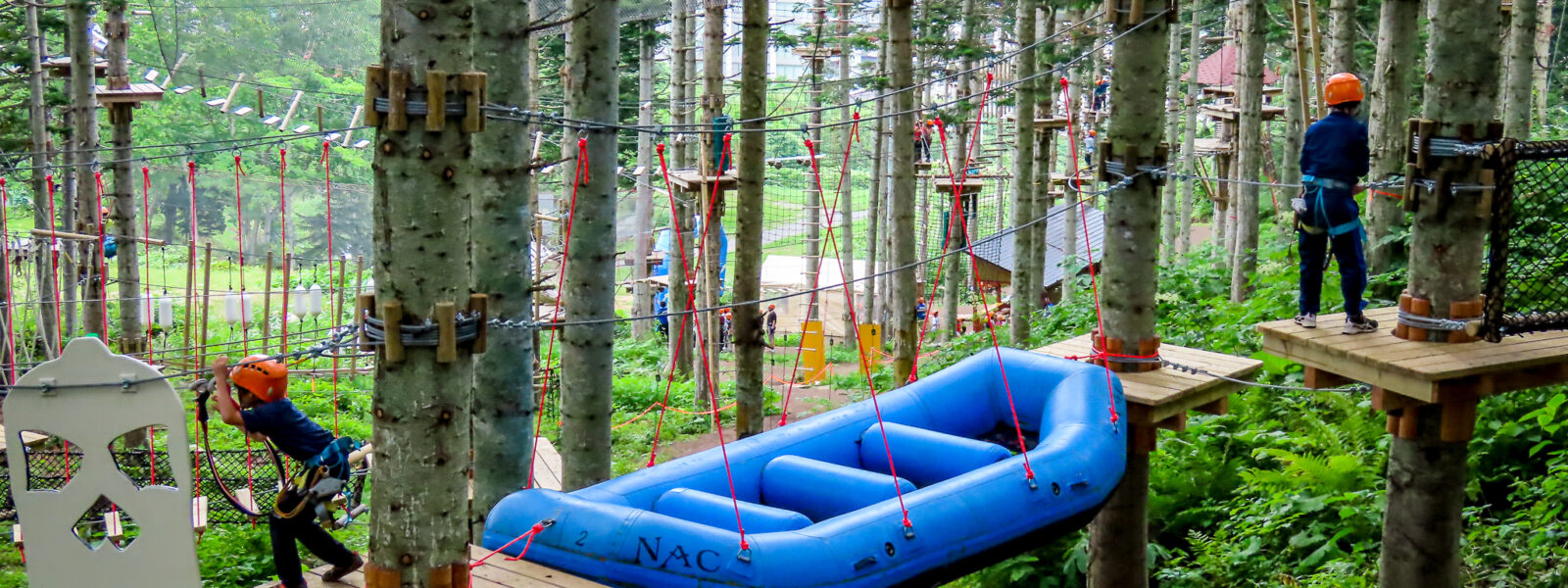
Although popular during ski season, Aspect Niseko also serves as an excellent base for summer activities including golf, hiking, cycling, and sightseeing.
Why Ski Travellers Often Choose Hirafu Village
Most international visitors choose Hirafu because it offers more than just ski access.
Benefits include:
- Walkable village atmosphere
- Extensive dining options
- Convenient transportation
- Nightlife and entertainment
- Ski services and rentals
- Family-friendly facilities
This combination of skiing and lifestyle amenities makes Hirafu the preferred choice for many travellers.
Local Recommendation from the Aspect Niseko Team
One of the most common questions we receive is whether guests should prioritise ski-in, ski-out accommodation or a central village location.
For most visitors, especially first-time travellers, staying in central Hirafu often provides the best overall experience. Easy access to restaurants, shops, ski services, and transportation can be just as important as lift proximity.
Many guests appreciate being able to enjoy Niseko’s village atmosphere while still maintaining convenient access to the slopes.
Frequently Asked Questions
Which Niseko accommodation is closest to ski lifts?
Accommodation located in and around Grand Hirafu generally provides the most convenient access to ski lifts and ski facilities.
Is Hirafu the best place to stay for skiing?
Yes. Hirafu Village offers excellent lift access, extensive dining options, equipment rentals, and convenient services for skiers.
Is ski-in, ski-out accommodation necessary in Niseko?
Not necessarily. Many visitors find that centrally located accommodation within walking distance of lifts provides a better overall experience.
Which area is best for first-time skiers?
Grand Hirafu is often recommended due to its ski schools, beginner-friendly facilities, and convenient village amenities.
Is Niseko suitable for family ski holidays?
Yes. Niseko offers family-friendly slopes, ski schools, snow activities, and spacious accommodation options.
How far in advance should I book ski accommodation in Niseko?
For peak winter travel, booking 6 to 12 months in advance is recommended to secure the best accommodation options.
Why Trust This Guide?
This guide is based on local hospitality experience and insights from welcoming ski travellers to Niseko throughout every winter season. Understanding guest priorities helps identify the accommodation features that contribute most to a successful ski holiday.
Final Thoughts
Choosing accommodation close to ski lifts can significantly enhance your Niseko ski holiday. While several areas offer excellent access to the slopes, Grand Hirafu remains the most popular choice due to its combination of skiing, dining, shopping, and village amenities.
For travellers seeking luxury ski accommodation in a convenient central location, Aspect Niseko offers spacious apartments, premium amenities, and easy access to both the slopes and the vibrant Hirafu Village atmosphere, creating an ideal base for enjoying everything Niseko has to offer.