
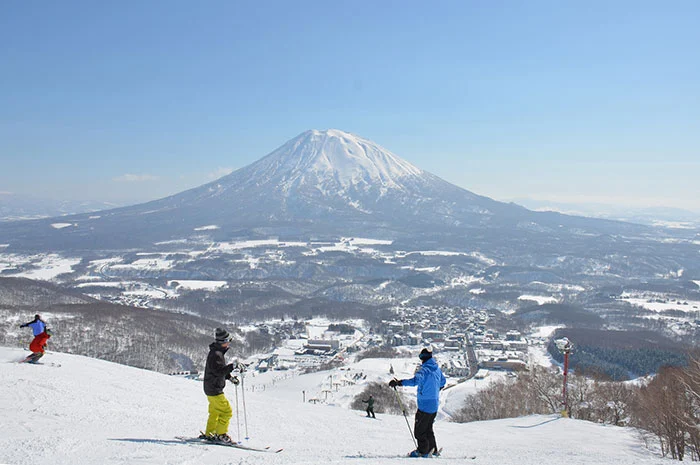
The best month for deep powder in Niseko is usually January, with February offering similarly reliable snowfall and a slightly different crowd pattern. March is ideal for visitors who want fewer crowds, longer days and a mix of snow and sunshine. December can deliver excellent powder, but early-season conditions vary. April is better for spring skiing than fresh powder. Recent Niseko United data shows how much conditions can vary between seasons, so historical averages are useful guides rather than guarantees.
Niseko’s reputation is built around snow.
But knowing that it snows heavily is only part of planning a ski holiday. The Niseko weather changes noticeably from month to month, affecting snowfall, temperatures, crowds, visibility and the overall feel of the resort.
January can bring frequent storms and deep powder. March often brings clearer skies and quieter slopes. December offers the excitement of the season beginning, while April shifts towards softer spring conditions.
That means the best time to visit depends on what you want from Niseko.
If powder is your priority, choose the heart of winter. If you prefer sunshine and fewer people, late winter or early spring may suit you better. And if you want the full experience without peak-season crowds, timing your stay carefully can make a significant difference.
Niseko Weather at a Glance
| Month | Typical Conditions | Snow Potential | Crowds | Best For |
| November | Cold weather and early season snow | Variable | Low | Early season sessions |
| December | Cold temperatures and increasing snowfall | High | High around the holidays | Early powder and Christmas trips |
| January | Very cold weather and frequent snowfall | Excellent | Moderate to high | Deep powder runs |
| February | Cold, snowy, and reliable conditions | Excellent | High around Lunar New Year | Powder and winter atmosphere |
| March | Milder weather, sunnier days, and occasional snow | Good | Lower | Powder combined with sunshine |
| April | Classic spring skiing conditions | Lower | Low | Spring skiing and sightseeing |
| May | Mild weather with limited snow | Low | Low | Late season mountain trips |
These patterns are based on Niseko United’s seasonal guidance and recent snowfall records. Actual conditions vary considerably from year to year.
December: The Season Starts to Build
December is an exciting month because Niseko begins to look and feel like the winter destination visitors imagine. Early December can be unpredictable, however. Some seasons build a strong base quickly, while others take longer to reach full winter conditions.
Recent data illustrates that variation clearly. During the 2025/26 season, Niseko United recorded 3.7 metres of snowfall in December and 25 fresh-snow days at Grand Hirafu’s 850-metre weather station. However, the resort described the start of that month as unusually slow.
Conditions become more reliable as December progresses. By Christmas, snow cover is generally much deeper, but the resort also becomes significantly busier. Christmas and New Year are among Niseko’s busiest periods, with higher demand for accommodation, restaurants and slopes.
For travellers who want festive atmosphere and early powder, December can be rewarding. Those prioritising lower prices and quieter slopes should consider early December rather than the holiday period.
January: The Best Month for Powder
If someone asks when to visit Niseko for powder, January is usually the safest answer.
Cold temperatures and regular storm cycles create the classic Niseko conditions. Recent 2025/26 data recorded 6.2 metres of snowfall and 27 fresh-snow days during January at Grand Hirafu’s 850-metre weather station.
January is also when Niseko’s famous powder reputation is most obvious. Snow can refresh the mountain overnight, creating excellent conditions for skiers and snowboarders looking for fresh tracks.
The trade-off is popularity. Christmas and New Year bring the biggest holiday crowds, but January remains a highly sought-after period for international powder skiers.
For serious skiers, January offers perhaps the strongest combination of cold temperatures, snow quality and regular snowfall. It is also a particularly good time to stay somewhere close to the lifts, because convenient access helps you make the most of early starts after overnight snowfall.
February: Deep Snow With a Busy Winter Atmosphere
February remains firmly inside Niseko’s prime powder season. Temperatures stay cold, snowfall remains frequent and the accumulated snowpack can be substantial.
During the 2025/26 season, Niseko United recorded 2.63 metres of snowfall across 19 fresh-snow days in February. The resort also reported that conditions remained fresh through the traditional peak travel period.
February can be particularly atmospheric because the village is often surrounded by substantial snowbanks. However, crowd levels can rise around Lunar New Year, making restaurant reservations and accommodation planning more important. Niseko United identifies this period as one of the season’s busier windows.
For visitors who want reliable winter conditions without necessarily travelling during Christmas, February is an excellent alternative. If you are booking Niseko luxury accommodation, reserving well ahead is sensible because demand remains strong.
March: The Best Balance of Snow and Sunshine
March is often overlooked by visitors focused entirely on powder.
That can be a mistake.
Niseko United describes March as a period when crowds thin, sunshine becomes more common and the snowpack remains substantial. Recent 2025/26 figures recorded 75 centimetres of snowfall across nine fresh-snow days.
You should not expect January-level snowfall every week. However, March offers something January cannot always provide: a better balance between fresh snow and clear weather.
Longer daylight hours also make March appealing for families and visitors who want to combine skiing with sightseeing. The milder weather can make time outside the resort more comfortable, while the quieter slopes create a more relaxed experience.
For many travellers, March may be the sweet spot between powder, space and value.
April: Spring Skiing Rather Than Powder Hunting
By April, Niseko has clearly moved into spring.
The weather becomes milder, daylight hours increase and snowfall becomes less frequent. However, the mountain can retain an impressive snow base after January and February.
The 2025/26 season is a good example. Niseko recorded only 10 centimetres of fresh snow in April, yet the deep base built earlier in the winter allowed skiing to continue until May 6.
April therefore suits a different type of traveller.
If your priority is fresh powder every morning, January or February is a better choice. If you prefer sunshine, quieter slopes, spring snow and a more relaxed pace, April can be excellent.
It can also be a good period for travellers looking for better value on Niseko luxury accommodation after the busiest winter weeks.
November and May: What Should You Expect?
November marks the beginning of the ski season, but early-season conditions can vary significantly. Niseko United notes that lifts generally begin operating towards the end of November, while early December can still depend heavily on how quickly the snow base develops.
May is effectively the end of the main winter season. Some skiing can continue into early May depending on resort operations and snow conditions, but visitors should not book May expecting midwinter powder.
These months are better suited to travellers who care more about quiet surroundings and seasonal atmosphere than guaranteed powder.
How Much Snow Does Niseko Actually Get?
Niseko’s snowfall totals are one reason the resort has such a strong international reputation.
However, it is important to distinguish between historical averages and individual seasons.
Niseko United recorded a total of 13.5 metres of snowfall during the 2025/26 season, with fresh snow reported on 80 days. January accounted for 6.2 metres, while February contributed another 2.63 metres.
Older Niseko United data also shows how substantial snowfall can be during a typical winter. Its 2022/23 season report recorded 470 centimetres in December, 500 centimetres in January and 385 centimetres in February at its Grand Hirafu measurement point.
These figures should not be treated as guaranteed monthly forecasts. They demonstrate the broader pattern: December through February generally provides Niseko’s strongest snowfall window, with March offering a transition towards spring.
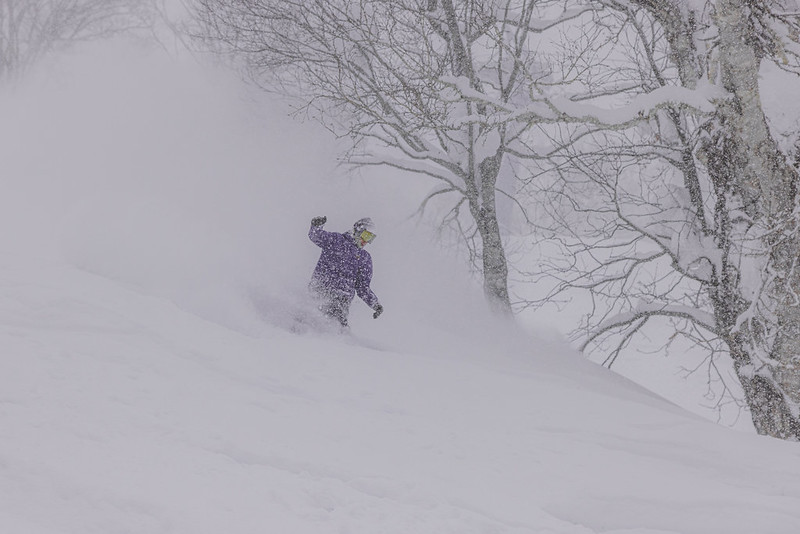 When Should You Visit Niseko?
The answer depends on your priorities.
- For maximum powder: January is the strongest choice, with February close behind.
- For powder and fewer crowds: Consider March, particularly if you prefer clearer days and longer daylight.
- For Christmas atmosphere: Late December delivers a spectacular winter setting, but expect higher demand and more visitors.
- For better value: Early December and March can offer a more relaxed experience than the major holiday periods.
- For spring skiing: April is the better choice, especially if sunshine and quieter slopes matter more than fresh powder.
Niseko United’s own seasonal guidance similarly identifies January and February as the core powder period, while highlighting March for fewer crowds and more sunshine.
What Does Niseko Weather Mean for Your Accommodation?
Weather can also influence where you choose to stay.
During a heavy snowfall, being close to the lifts becomes even more valuable. You do not want to spend your best powder morning walking long distances or waiting for transport.
This is where Niseko luxury accommodation can add practical value alongside comfort.
Aspect Niseko sits in the heart of Hirafu Village and is just a two-minute walk from the Hirafu Gondola. That location means guests can reach the mountain quickly, return to their apartment easily and make the most of short weather windows.
That matters particularly in January and February, when overnight snowfall can create some of Niseko’s best skiing conditions.
For guests planning a luxury stay in Niseko, the combination of spacious accommodation and lift access makes it easier to enjoy the mountain without making every day revolve around transport.
Niseko Snow Forecast by Month: What to Remember?
Historical data can help you choose your travel dates, but it cannot predict exactly what your week will look like.
Niseko United itself points out that no two winters are identical. The timing and intensity of major snowfalls can change from season to season.
That is why the best approach is to use monthly patterns as a planning guide, then check the Niseko snow forecast closer to your trip.
If powder is your priority, January and February give you the strongest statistical advantage. If you want quieter slopes and more sunshine, March offers an appealing compromise. December can be excellent once the season gets established, while April is better suited to spring conditions.
And whichever month you choose, staying close to the mountain means you are better positioned to take advantage when the snow does arrive.
 Plan Your Niseko Stay Around the Weather
There is no single perfect month for everyone.
January is for deep winter and serious powder. February keeps the snow coming while delivering the full winter atmosphere. March offers more sunshine and fewer crowds, while April shifts towards relaxed spring skiing.
The important thing is to match the month with your priorities rather than simply chasing the highest snowfall number.
For travellers planning a luxury stay in Niseko, Aspect Niseko provides another advantage: location. Being just two minutes from the Hirafu Gondola means you can respond quickly when the forecast changes, whether that means heading out early after overnight snow or enjoying a shorter ski session during a clear afternoon.
That is one of the simplest ways to make the most of Niseko weather.
Check the long-term pattern before booking. Check the Niseko snow forecast before travelling. Then let the mountain decide what kind of day you are going to have.
Frequently Asked Questions
What month has the most snow in Niseko?
January is generally considered one of Niseko’s strongest snowfall months. During the 2025/26 season, Grand Hirafu recorded 6.2 metres of snowfall and 27 fresh-snow days in January.
Is February still good for powder in Niseko?
Yes. February remains part of Niseko’s prime powder season. The 2025/26 season produced 2.63 metres of snowfall across 19 fresh-snow days during February.
Is March a good month to ski in Niseko?
Yes. March offers a useful combination of remaining snow, fewer crowds, longer days and more sunshine. Niseko United specifically highlights March as a quieter period with good conditions.
Does it snow in Niseko in April?
Yes, but snowfall is much less consistent than during midwinter. April is generally considered a spring-skiing month, although the snowpack can remain deep because of the heavy snowfall earlier in the season.
When is Niseko least crowded?
Early December, March and late season are generally quieter than Christmas, New Year and the Lunar New Year period. March is particularly attractive for visitors seeking more space without giving up winter skiing.
What is the best time to stay at a Niseko luxury accommodation?
January and February are ideal for guests prioritising powder, while March can offer a better balance between skiing, sunshine and quieter surroundings. Whichever month you choose, staying close to the lifts can make changing weather much easier to manage.