
Niseko is a four-season destination in Hokkaido, Japan. Winter brings world-famous powder snow. Summer offers hiking, cycling, and onsens. This Niseko travel guide covers when to go, what to pack, and where to stay in Niseko, so first-time visitors can plan with confidence.
Key Takeaways
- Niseko operates as a year-round destination, not just a ski resort.
- Winter (December to March) is peak season for powder skiing.
- Summer (June to August) suits hiking, golf, and cycling.
- First time in Niseko visitors should book accommodation early.
- Aspect Niseko sits in the heart of Hirafu Village.
- Onsens are open in every season and worth experiencing.
- Hokkaido’s produce, especially in summer, is genuinely exceptional.
- A well-planned Niseko itinerary should include at least one full rest day.
What Is Niseko Known For?
Niseko is a mountain town in Hokkaido, northern Japan. It sits at the base of Mt Yotei, an active volcano often compared to Mt Fuji. The region is made up of three towns: Kutchan, Niseko, and Rankoshi.
Most travellers know Niseko for its winter powder snow. But the region has grown into a genuine four-season destination. Summer hiking, cycling, and onsen culture now draw as much attention as the ski season.
When Is the Best Time to Visit Niseko?
The best time depends on what you want from your trip. Here is a quick breakdown by season.
| Season | Months | Best For | Weather |
| Winter | December to March | Skiing, snowboarding, traditional onsens | Heavy snowfall, very cold |
| Spring | April to May | Fewer crowds, quieter mountain trails | Melting snow, mild temperatures |
| Summer | June to August | Hiking, golf, cycling, fresh farm produce | Cool, dry, comfortable |
| Autumn | September to November | Vibrant autumn foliage, fewer tourists | Crisp air, colourful landscapes |
Winter in Niseko
Winter is Niseko’s signature season. The region receives some of the most consistent powder snow in the world. This comes from cold Siberian winds crossing the Sea of Japan.
Skiing and snowboarding dominate the winter calendar. Beginners and experts both find suitable terrain. Night skiing is also available across most of the connected resorts.
Onsens are especially popular after a day on the slopes. Hot spring water here is naturally heated by volcanic activity. Soaking with mountain views is a genuine highlight of any winter stay.
Summer in Niseko
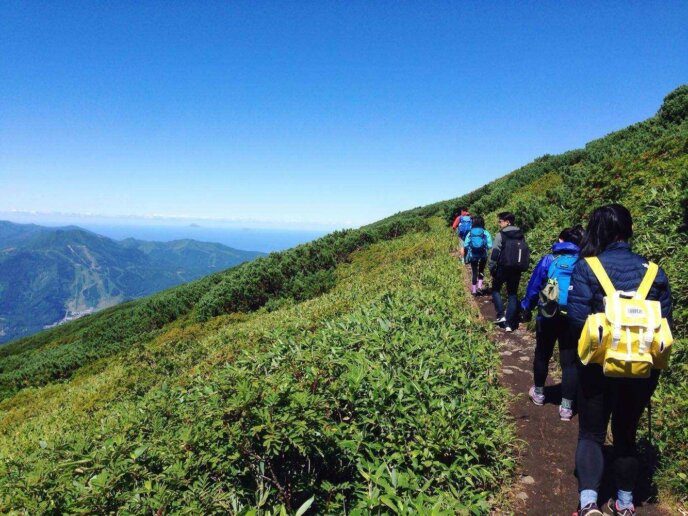
Summer in Niseko is cooler and drier than most of Japan. Long daylight hours make it ideal for outdoor activity. Hiking trails on the Niseko Volcanic Group open fully during this period.
Mt Yotei’s summit sits at 1,898 metres. Trails range from short forest loops to full-day ridge walks. Mountain biking is another major draw, with purpose-built singletrack trails around the region.
Golf is also popular in summer, with three courses in the area. Local produce peaks during these months too. Sweet corn, asparagus, dairy, and fresh seafood from nearby Otaru all feature on local menus.
Spring and Autumn in Niseko
Spring and autumn are considered shoulder seasons. Crowds are smaller and prices are often lower. Spring still has leftover snow on higher trails, useful for late-season skiing.
Autumn brings vivid foliage across the mountains and valleys. Temperatures are crisp but comfortable for walking. Many travellers prefer these quieter months for a more relaxed pace.
How Do You Get to Niseko?
Most international visitors fly into New Chitose Airport near Sapporo. From there, Niseko is roughly a two-hour drive or bus ride. Private transfers, shared shuttles, and rental cars are all common options.
Winter roads can be icy, so many first-time visitors prefer a shuttle or private transfer. Summer travel is more straightforward, with regular bus and train connections available.
Planning Your First Niseko Itinerary
A good Niseko itinerary balances activity with rest. Here is a simple structure for a five-day winter trip.
- Day 1: Arrival, settle in, gentle walk around Hirafu Village
- Day 2: Full day skiing or snowboarding
- Day 3: Second day on the mountain, evening onsen
- Day 4: Rest day, explore Kutchan or try local dining
- Day 5: Half-day activity, departure preparation
For a summer trip, swap skiing for hiking, cycling, or a golf round. Always build in at least one slower day. This helps avoid fatigue, especially for family holidays in Niseko.
Where to Stay in Niseko?
Choosing where to stay in Niseko matters more than most first-time visitors expect. Location affects how much time you spend travelling versus enjoying the mountain.
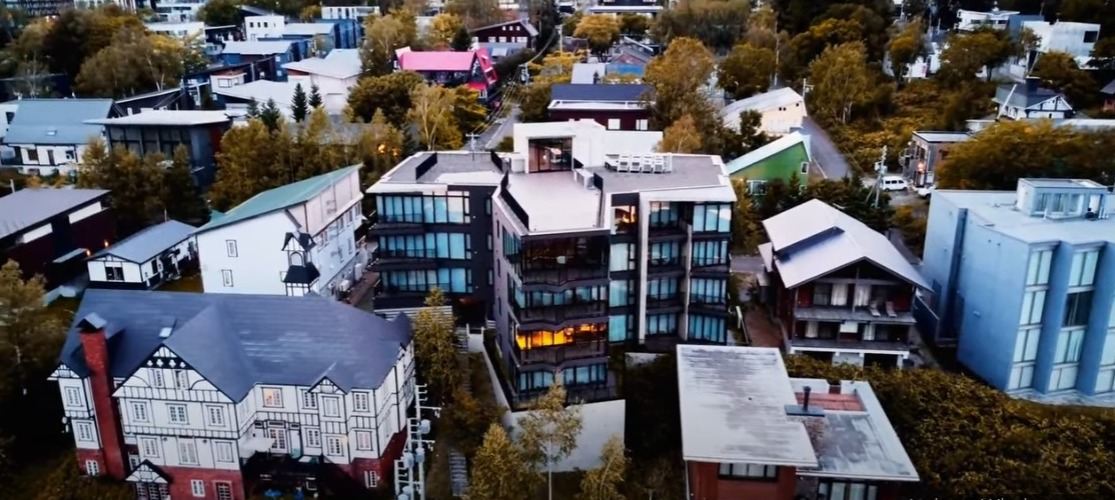
Hirafu Village is the most central base for most travellers. It sits close to lifts, restaurants, and everyday conveniences. For families and groups wanting space and comfort, this location works especially well.
Aspect Niseko is located in the heart of Hirafu Village. The property offers apartment-style suites ranging from two to five bedrooms. Each apartment includes a fully equipped kitchenette, personal fireplace, and floor-to-ceiling windows facing Mt Yotei.
For first time in Niseko visitors, this kind of self-contained setup removes a lot of guesswork. Guests get flexibility around meals, space to spread out, and a genuinely central location. A complimentary shuttle service within Hirafu is also available, subject to availability.
Family holidays in Niseko often need more than a standard hotel room. Aspect Niseko’s larger suites, including the five-bedroom entire-floor option, suit multi-generational groups well. Two kitchens and two laundry rooms in that layout make longer stays practical.
If you are researching Niseko accommodation for the first time, start by narrowing down your group size and season. Then match that against apartment layouts rather than generic hotel categories.
 What Should You Pack for Niseko?
Packing depends heavily on season. Winter requires proper thermal layers, waterproof outerwear, and good gloves. Summer needs lighter layers, as evenings can still be cool.
- Winter: thermal base layers, waterproof jacket, snow boots, gloves
- Summer: breathable layers, light rain jacket, comfortable hiking shoes
- All seasons: swimwear for onsens, a reusable water bottle, sun protection
Common Mistakes First-Time Visitors Make
Many travellers underestimate how cold Hokkaido winters actually get. Layering matters more than one heavy coat. Others overpack their itinerary without a proper rest day.
Booking accommodation too late is another frequent issue, especially for peak winter weeks. Popular periods fill months in advance. Locking in Niseko accommodation early avoids limited last-minute options.
Planning Your Niseko Trip With Confidence
Niseko rewards travellers who plan ahead, whatever season they choose. Winter powder and summer trails both deliver on their reputation. The details, like accommodation and packing, make the difference between a good trip and a great one.
If you are ready to visit Niseko, start with your dates and group size. Then look at accommodation that fits your season and needs. Aspect Niseko’s central Hirafu location and apartment-style suites are built for exactly this kind of planning.
Reach out to the Aspect Niseko team to check availability for your dates. A well-chosen base sets the tone for the entire trip.
Frequently Asked Questions
Is Niseko good for first-time visitors to Japan?
Yes. Niseko offers clear infrastructure for travellers, English-friendly services, and reliable transport links from Sapporo.
What is the best month to visit Niseko?
February typically has the deepest snow for skiing. July and August suit hiking, golf, and cycling best.
Is Niseko expensive?
Costs vary by season and accommodation type. Winter peak weeks are the most expensive period of the year.
How many days do you need in Niseko?
Most first-time visitors plan four to six days. This allows time for activity plus at least one rest day.
Is Niseko suitable for families?
Yes. Apartment-style stays with kitchens and space, like those at Aspect Niseko, suit family holidays in Niseko particularly well.
Do you need a car in Niseko?
Not always. Hirafu Village is walkable, and many properties offer local shuttle services within the area.
What language is spoken in Niseko?
Japanese is the main language, though English is widely used in tourism and hospitality settings.
Are onsens open all year in Niseko?
Yes. Hot springs are heated by volcanic activity and operate through every season.
What is the closest airport to Niseko?
New Chitose Airport, near Sapporo, is the main international gateway to the region.