Category

Apartment

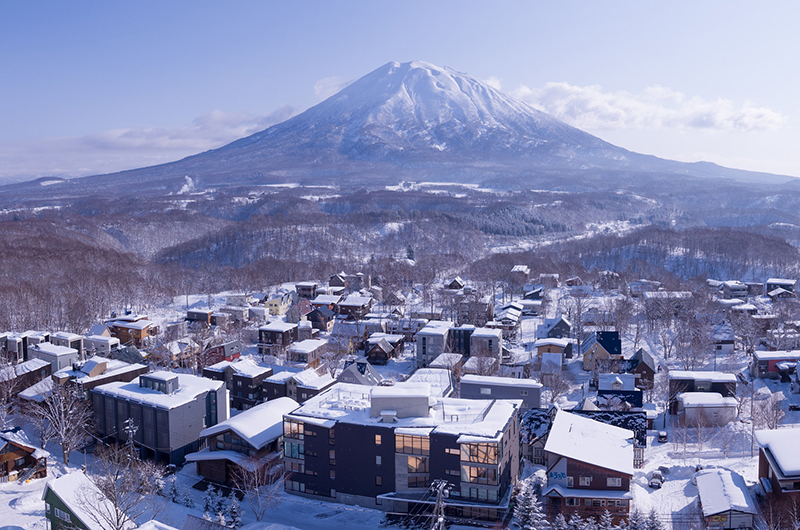
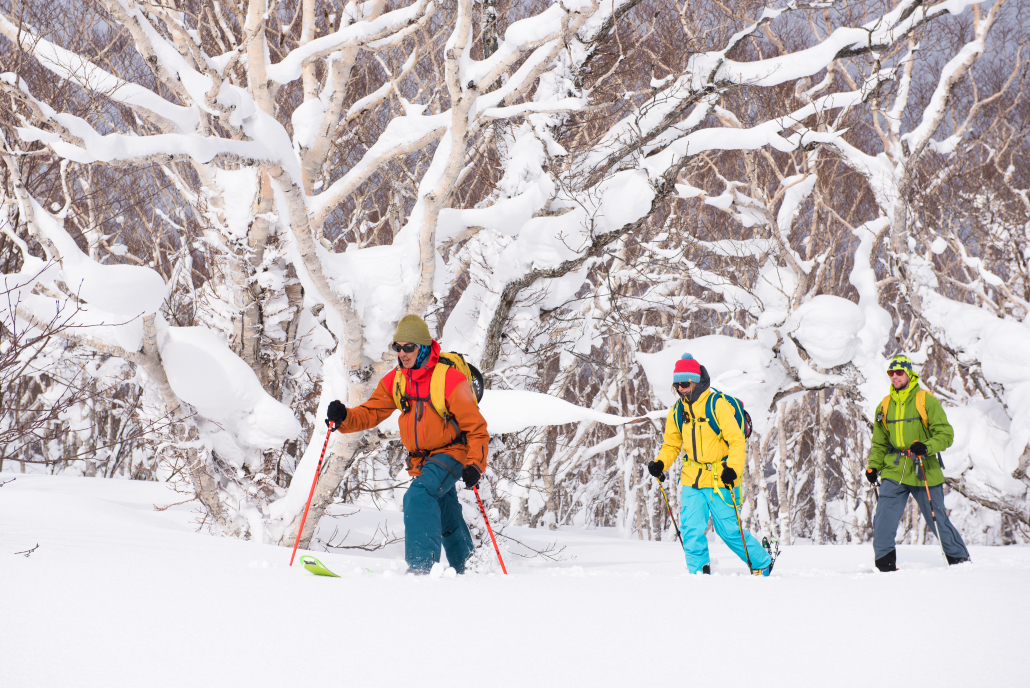
Niseko ski holiday with snowy mountains, ski slopes, and winter scenery in Japan

Niseko Ski Holiday Guide: Everything You Need to Know Before You Go

By Restaurants

A Niseko ski holiday combines world-famous powder snow, extensive ski terrain, mountain scenery, Japanese culture and a wide choice of accommodation, dining and winter activities. For a first visit, it is important to understand the ski areas, best time to visit, where to stay, how to get around, what to pack and how to plan your days. Staying in Hirafu can also make it easier to combine skiing with restaurants, shops and other Niseko experiences.

Niseko has become one of Japan’s most recognised ski destinations, attracting visitors from around the world for its winter conditions and resort atmosphere. But planning a trip involves more than choosing flights and booking a room.

The right timing, location, accommodation and daily itinerary can make a significant difference to your experience.

This Niseko ski holiday guide covers the essential information you need before travelling, whether you are visiting for the first time, planning a family ski trip or organising a holiday with friends.

Why Choose Niseko for a Ski Holiday?

Niseko is particularly well known for its abundant snowfall and powder snow conditions.

The region also offers a combination that appeals to international visitors: excellent winter sports, Japanese food, hot springs, mountain scenery and a well-established tourism infrastructure.

Another advantage is the variety of experiences available.

A typical Niseko ski holiday can include:

  • Skiing
  • Snowboarding
  • Snowshoeing
  • Onsen visits
  • Japanese dining
  • Cafés and nightlife
  • Shopping
  • Winter sightseeing
  • Family activities
  • Day trips around Hokkaido

This means your holiday does not have to revolve around skiing every day.

Understanding the Niseko Ski Area

One of the first things to understand is that “Niseko” refers to a wider resort region rather than a single lift or mountain area.

The main ski areas associated with Niseko United are:

Ski AreaGeneral Character
Grand HirafuLarge resort area with extensive terrain and a lively village
AnnupuriQuieter resort atmosphere and varied terrain
Niseko VillageResort-focused setting with mountain activities
HanazonoModern facilities and extensive winter activities

Where you stay can influence which slopes, restaurants and activities are most convenient for you.

When Is the Best Time for a Niseko Ski Holiday?

Niseko’s ski season generally runs through the winter and into spring, although exact conditions vary each year.

For visitors primarily interested in powder snow, January and February are traditionally important months.

December can offer an early-season winter experience, while March can provide a combination of skiing and milder conditions.

Spring skiing continues later in the season, with conditions changing as temperatures rise.

MonthTypical Holiday Experience
DecemberEarly winter, festive atmosphere and developing snow conditions
JanuaryDeep winter and excellent powder opportunities
FebruaryPeak winter conditions and strong powder appeal
MarchMilder temperatures and continued skiing
AprilSpring skiing and changing snow conditions
MayLate-season activities where conditions permit

If powder snow is your main priority, January and February are commonly considered when planning a Niseko ski trip.

How Long Should You Stay in Niseko?

For a first-time visitor, 4 to 7 nights can provide enough time to experience the resort without making the trip feel rushed.

A shorter trip can work if skiing is your only priority, while a longer stay gives you more time for:

  • Skiing
  • Snowboarding
  • Rest days
  • Onsen experiences
  • Dining
  • Sightseeing
  • Family activities
  • Day trips

A useful approach is to avoid filling every day with activities.

Snow conditions, fatigue and weather can all influence your plans.

Where Should You Stay in Niseko?

Accommodation location is one of the most important decisions when planning a Niseko ski holiday.

Hirafu

Hirafu is one of the most popular areas for visitors and has a lively mix of accommodation, restaurants, cafés, shops and winter activities.

It can be particularly convenient for travellers who want to combine skiing with dining and village experiences.

Niseko Village

Niseko Village provides a resort environment with access to skiing and other mountain activities.

It can appeal to travellers looking for a resort-oriented holiday experience.

Annupuri

Annupuri generally offers a quieter atmosphere compared with the busiest parts of Hirafu.

It can suit travellers who prefer a more relaxed resort environment.

Hanazono

Hanazono is another major ski area and offers skiing alongside a range of winter activities.

The best area for you depends on your priorities, including skiing, restaurants, nightlife, family needs and accommodation style.

Why Hirafu Is Popular with Ski Holiday Visitors

Hirafu combines access to winter activities with a broad range of places to eat, drink and explore.

For visitors staying several nights, this can make a difference because you are not limited to spending all your time inside the ski resort.

A typical day could look like:

Morning: Breakfast and prepare for skiing

Day: Skiing or snow activities

Afternoon: Return to accommodation and relax

Evening: Dinner in Hirafu

Night: Explore the village or relax

This balance is particularly useful for families and groups with different interests.

Hirafu ski resort with snowy slopes, mountain views, and skiers enjoying a winter holiday in Niseko, JapanSkiing in Niseko: What Beginners Should Know

If this is your first ski trip, you do not need to arrive as an experienced skier.

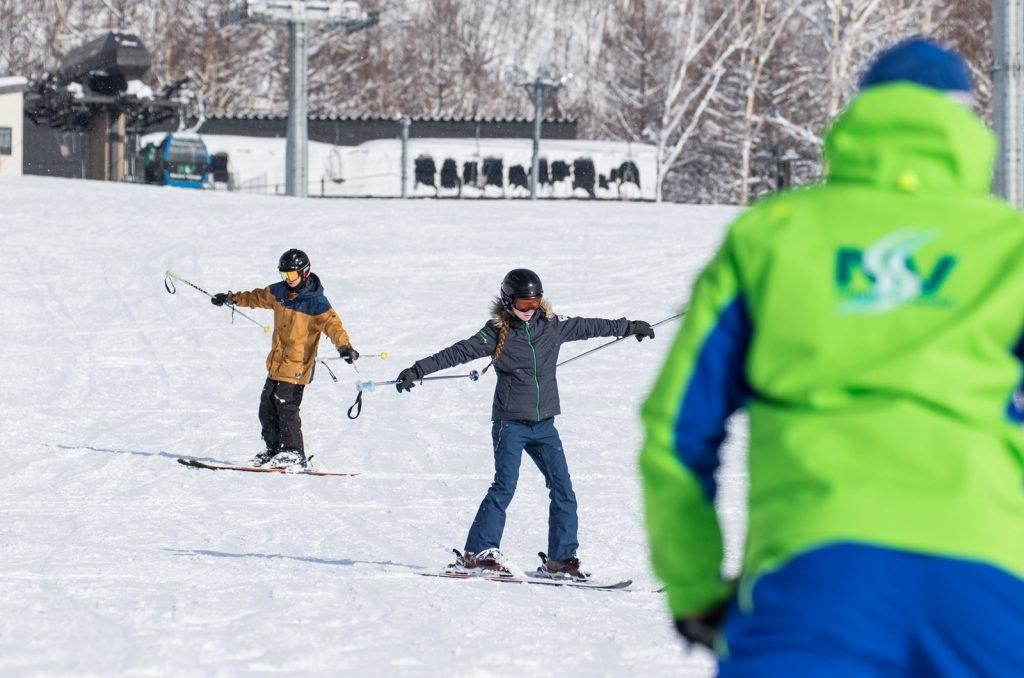
Beginner lessons can help you learn basic techniques, understand how to use the equipment and become more comfortable on snow.

Allow yourself time to adjust.

Your first day may involve more learning and less skiing than you expected, which is completely normal.

For beginners, it can be helpful to:

  • Book lessons in advance
  • Wear suitable waterproof clothing
  • Allow time for equipment fitting
  • Start with easier terrain
  • Take regular breaks
  • Avoid planning intensive activities immediately after skiing

Skiing in Niseko for Experienced Visitors

Experienced skiers may want to spend more time exploring the available terrain and planning their days around weather and snow conditions.

Niseko’s reputation for powder means conditions can change significantly from one day to another.

Instead of following a rigid schedule, experienced visitors can monitor conditions and adjust their plans accordingly.

What About Snowboarding?

Niseko is also a popular destination for snowboarders.

The same considerations apply: choose accommodation based on your preferred ski area, arrange equipment ahead of time when possible and allow enough recovery time between active days.

Groups with both skiers and snowboarders can generally plan their days around meeting points and shared evening activities.

What to Pack for a Niseko Ski Holiday

Winter conditions require appropriate clothing and equipment.

Essential Clothing

  • Waterproof ski jacket
  • Waterproof ski pants
  • Thermal base layers
  • Warm mid-layer
  • Gloves
  • Wool or thermal socks
  • Winter boots
  • Warm hat
  • Neck warmer
  • Sunglasses or goggles

Useful Travel Items

  • Travel adaptor
  • Portable charger
  • Small backpack
  • Reusable water bottle
  • Personal medication
  • Moisturiser and lip balm
  • Waterproof phone protection

If you are renting ski equipment, check with the rental provider before travelling so you know exactly what is included.

Getting Around Niseko

Your transportation needs will depend heavily on where you stay and what you plan to do.

Travellers staying in central resort areas can often combine walking with local transport and shuttle services.

For day trips or exploring areas beyond the main resort, additional transportation planning may be necessary.

During winter, allow extra travel time because snow and road conditions can affect journeys.

Food and Dining During Your Niseko Ski Holiday

Food is an important part of the Niseko experience.

Visitors can find Japanese cuisine as well as a broad selection of international dining options.

After a day on the mountain, popular choices may include:

  • Ramen
  • Sushi
  • Seafood
  • Japanese hot pot
  • Grilled dishes
  • Curry
  • Bakery and café food
  • Hokkaido dairy products

If you are travelling during peak winter dates, consider planning restaurant bookings in advance.

Don’t Forget the Onsen

A ski holiday can be physically demanding.

An onsen visit provides an opportunity to slow down and experience a traditional part of Japanese culture.

Many travellers combine skiing during the day with an onsen visit later in the afternoon or evening.

It is an especially appealing option on rest days.

What Can You Do in Niseko Besides Skiing?

One of the strengths of a Niseko winter holiday is the range of activities available beyond skiing.

You can consider:

  • Snowshoeing
  • Snowmobiling
  • Snow tubing
  • Winter photography
  • Scenic walks
  • Onsen visits
  • Café visits
  • Shopping
  • Japanese dining
  • Day trips
  • Family snow activities

This is particularly important if you are travelling with non-skiers.

Niseko Ski Holiday for Families

Families may want a more flexible itinerary than groups of experienced adult skiers.

Instead of planning full ski days from morning until evening, consider mixing active and relaxed experiences.

For example:

DayFamily-Friendly Plan
Day 1Arrival and Hirafu exploration
Day 2Ski lesson or snow activity
Day 3Skiing + relaxing evening
Day 4Snowshoeing or sightseeing
Day 5Skiing + onsen
Day 6Local sightseeing and dining
Day 7Relaxed morning and departure

Having spacious accommodation can also make family travel easier, particularly when children need downtime between activities.

Niseko Ski Holiday for Couples

Couples can combine skiing with dining, scenic experiences and relaxation.

A typical day might include skiing in the morning, a café stop in the afternoon and a Japanese dinner in the evening.

Adding an onsen experience or a scenic day trip can also provide variety during a longer stay.

Niseko Ski Holiday for Groups

Groups should consider accommodation carefully.

Travelling together does not necessarily mean everyone wants the same daily schedule.

Some people may want to ski all day while others prefer sightseeing, shopping or relaxing.

A spacious apartment can give everyone a shared living space while still providing individual bedrooms.

Staying at Aspect Niseko

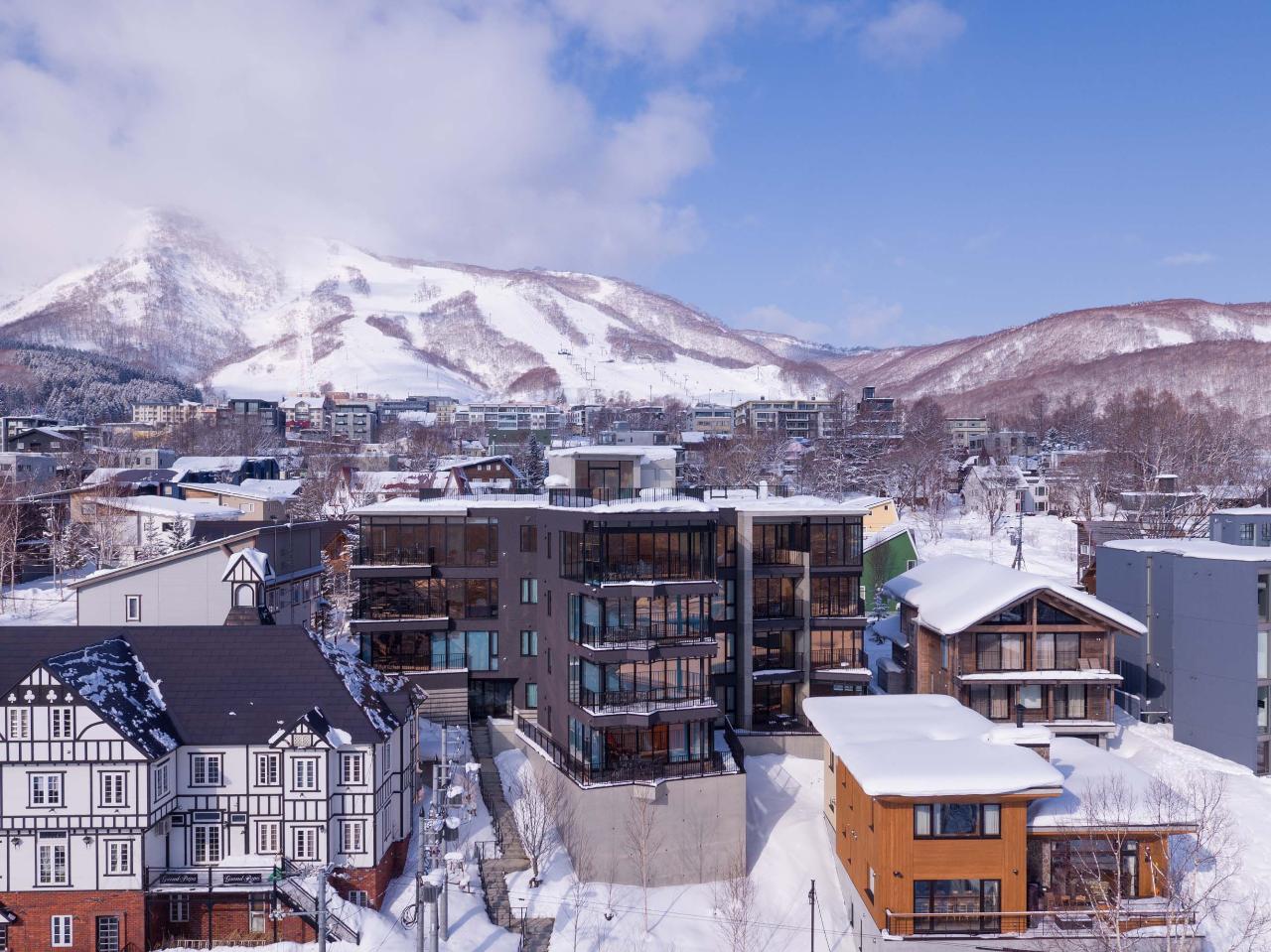
For travellers looking for luxury accommodation in Hirafu, Aspect Niseko provides spacious apartment-style accommodation close to the experiences that make the area popular.

Accommodation options range from one to five bedrooms, making the property suitable for couples, families and larger groups.

The apartments provide open-plan living spaces and fully equipped kitchens, giving guests more flexibility during a multi-day ski holiday.

Additional services include ski valet and shuttle services, helping guests organise their winter stay.

For groups travelling together, having a comfortable space to return to after skiing can be an important part of the overall holiday experience.

Example 7-Day Niseko Ski Holiday Itinerary

Here is one way to structure a week without making every day a full ski day.

Day 1: Arrive in Niseko

Check into your accommodation, settle in and explore Hirafu.

Have an easy dinner and rest before your first active day.

Day 2: Skiing

Spend the day skiing or snowboarding.

Keep the evening relaxed with dinner and an early night.

Day 3: Skiing + Onsen

Enjoy another mountain day before visiting an onsen.

Day 4: Non-Ski Day

Take a break from skiing.

Try snowshoeing, explore Hirafu, visit cafés or enjoy other winter activities.

Day 5: Skiing

Return to the slopes and make the most of the winter conditions.

Day 6: Hokkaido Day Trip

Depending on your interests, consider visiting Otaru, Kutchan or another nearby destination.

Day 7: Relax and Depart

Enjoy breakfast, take in the final mountain views and prepare for departure.

How Much Does a Niseko Ski Holiday Cost?

The total cost of a Niseko ski holiday varies considerably depending on travel dates, accommodation, flights, ski equipment, lessons, dining and activities.

Your budget may include:

  • Flights
  • Airport transfers
  • Accommodation
  • Lift passes
  • Ski or snowboard rental
  • Lessons
  • Food
  • Local transportation
  • Winter activities
  • Travel insurance

Peak winter dates can be more expensive, so booking early and comparing accommodation options can be useful.

Tips for Planning Your Niseko Ski Trip

1. Book Early

Niseko can be particularly busy during peak winter periods. Accommodation and popular activities can become limited.

2. Choose Your Location Carefully

Think about your preferred ski area as well as restaurants, shops and evening activities.

3. Don’t Plan Every Hour

Weather and snow conditions can change. Leave some flexibility in your schedule.

4. Plan Rest Days

Skiing is physically demanding. A rest day can help you enjoy the remainder of the trip.

5. Check Transport Options

Understand how you will travel between accommodation, ski areas, restaurants and day-trip destinations.

6. Prepare for Snow

Pack suitable waterproof and warm clothing, particularly if you plan to spend substantial time outdoors.


Frequently Asked Questions

Is Niseko good for a ski holiday?

Niseko is internationally known for its winter snowfall and ski resorts. It also offers dining, accommodation, hot springs and activities beyond skiing.

What month is best for a Niseko ski holiday?

January and February are commonly associated with deep winter and powder conditions. March can offer milder conditions while still providing opportunities for skiing.

How many days do you need for a Niseko ski trip?

Around 4 to 7 nights can work well for a first visit, depending on how much skiing and sightseeing you want to include.

Is Niseko suitable for beginner skiers?

Yes. Beginners can take lessons and start with suitable terrain while gradually building their skills.

Is Niseko suitable for non-skiers?

Yes. Non-skiers can enjoy snowshoeing, onsen, dining, cafés, shopping, sightseeing and other winter experiences.

Where should first-time visitors stay in Niseko?

The right location depends on individual priorities. Hirafu is popular with visitors who want access to restaurants, cafés, shops and winter activities alongside skiing.

Should I book Niseko accommodation in advance?

For peak winter travel, booking early is advisable because accommodation demand can be high.

Final Thoughts

A Niseko ski holiday can be much more than a week of skiing.

The combination of powder snow, mountain scenery, Japanese food, onsen culture, winter activities and resort life makes the destination suitable for a wide range of travellers.

The key is to plan around your own priorities.

Choose accommodation based on location and space, allow flexibility for weather and snow conditions, mix skiing with rest and non-ski activities, and give yourself enough time to enjoy the destination beyond the slopes.

For visitors who want to stay in Hirafu, Aspect Niseko provides a spacious luxury apartment base for couples, families and groups looking to experience a comfortable Niseko winter holiday.

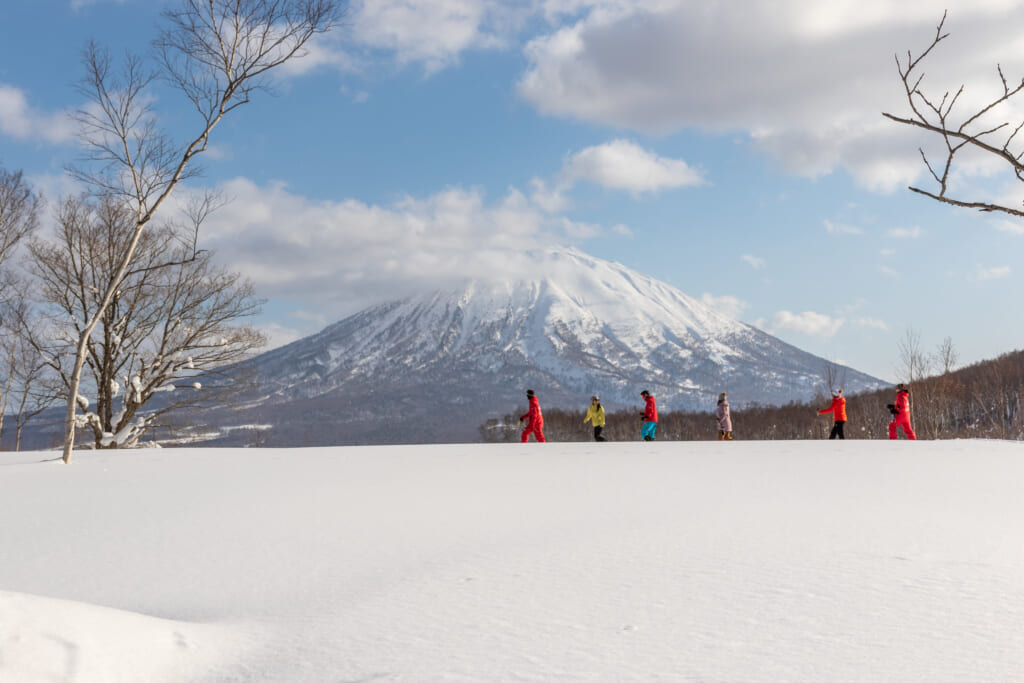
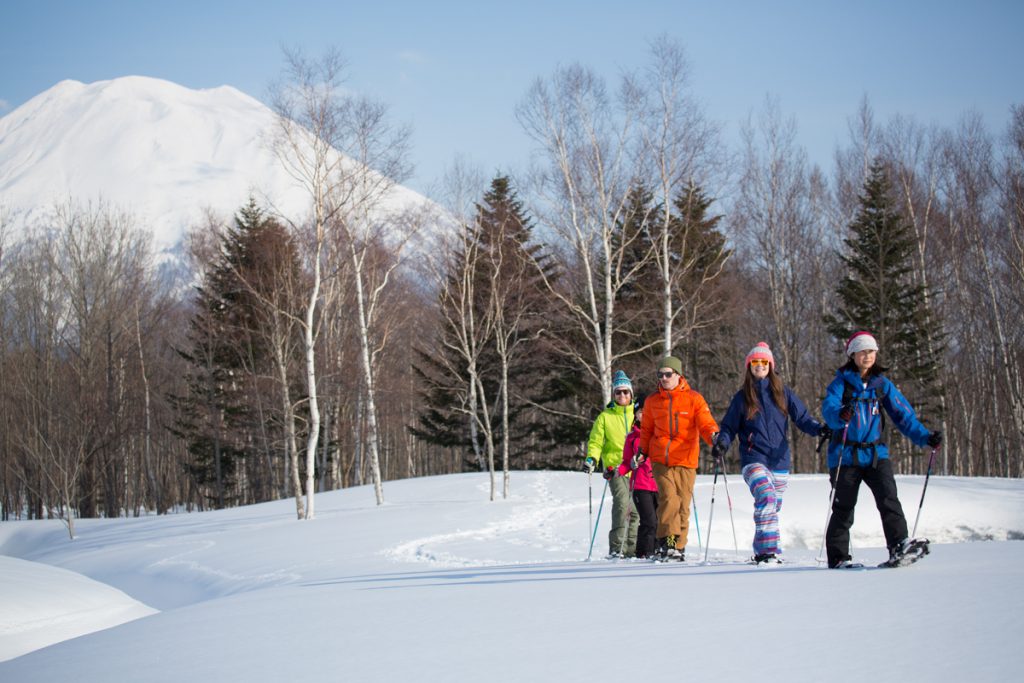
Winter activities in Niseko, Japan, including snowshoeing, snowmobiling, hot springs, snow rafting, ice fishing, and exploring snowy landscapes.

Things to Do in Niseko in Winter: 20+ Activities Beyond Skiing

By Luxury Resort, Ski Accommodation

Niseko is famous for skiing and snowboarding, but there are plenty of things to do in Niseko in winter beyond the slopes. Visitors can enjoy snowshoeing, winter sightseeing, hot springs, scenic drives, local dining, shopping, snow activities, family experiences and relaxing days in Hirafu. With the right itinerary, a Niseko winter holiday can be enjoyable even for non-skiers.

Niseko is one of Japan’s best-known winter destinations, attracting visitors for its abundant snowfall, mountain scenery and lively resort atmosphere. While skiing and snowboarding remain the main attractions, you do not need to spend every day on the slopes to enjoy a winter trip here.

From relaxing in an onsen after a day outdoors to exploring the surrounding Hokkaido landscape, Niseko offers a wide range of winter experiences for couples, families, groups and visitors travelling with non-skiers.

1. Go Skiing in Niseko

Skiing is the activity that put Niseko on the international winter travel map.

The Niseko area offers extensive ski terrain, reliable winter snowfall and a variety of runs suitable for different experience levels. Beginners can take lessons and gradually build confidence, while experienced skiers can explore more challenging terrain.

For first-time visitors, it is worth planning your ski days around weather conditions and the areas you want to explore.

2. Try Snowboarding

Snowboarding is another major reason travellers visit Niseko during winter.

The combination of mountain terrain and abundant snowfall creates excellent conditions for snowboarders. Beginners can book lessons, while experienced riders have numerous opportunities to explore the resort.

If you are travelling with a group, skiing and snowboarding can easily form part of a wider itinerary that includes non-snow activities.

3. Experience Niseko’s Famous Powder Snow

Even if you are not an experienced skier, Niseko’s winter landscape is worth experiencing.

The area’s famous powder snow creates a completely different environment from many other destinations. Snow-covered trees, mountains and streets give Niseko its distinctive winter character.

Simply walking through Hirafu after fresh snowfall can become part of the holiday experience.

4. Explore Hirafu Village

Hirafu is one of the most popular areas to stay and explore in Niseko.

During winter, the village has restaurants, cafés, shops, bars and accommodation surrounded by snow-covered mountain scenery.

Walking around Hirafu is an easy way to experience the local atmosphere without committing to a full day of skiing.

It is also convenient for visitors who want a combination of outdoor activities, dining and relaxation.

5. Relax in a Japanese Onsen

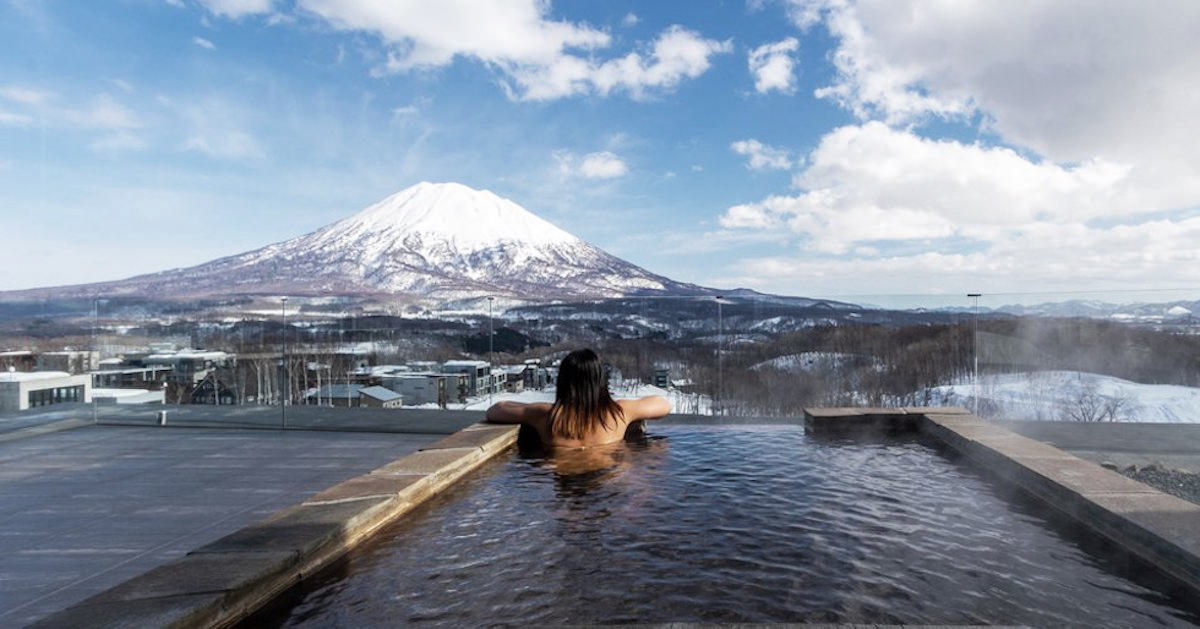
An onsen experience is one of the classic things to do in Hokkaido during winter.

After spending time outdoors in cold temperatures, soaking in naturally heated mineral-rich water can be a relaxing way to finish the day.

Niseko and the surrounding region are home to several hot spring facilities, with options ranging from traditional settings to modern resort experiences.

For many visitors, an onsen evening becomes one of the most memorable parts of a winter trip.

6. Go Snowshoeing

Snowshoeing is an excellent option for visitors who want to experience Niseko’s snowy landscape without skiing.

Snowshoes make it possible to walk through deeper snow and explore winter trails at a comfortable pace.

It can be particularly appealing for families and travellers who want a quieter outdoor experience.

Depending on conditions and the chosen route, guided snowshoe experiences can also provide a closer look at Niseko’s winter environment.

7. Take a Winter Scenic Walk

You do not always need an organised activity to enjoy Niseko in winter.

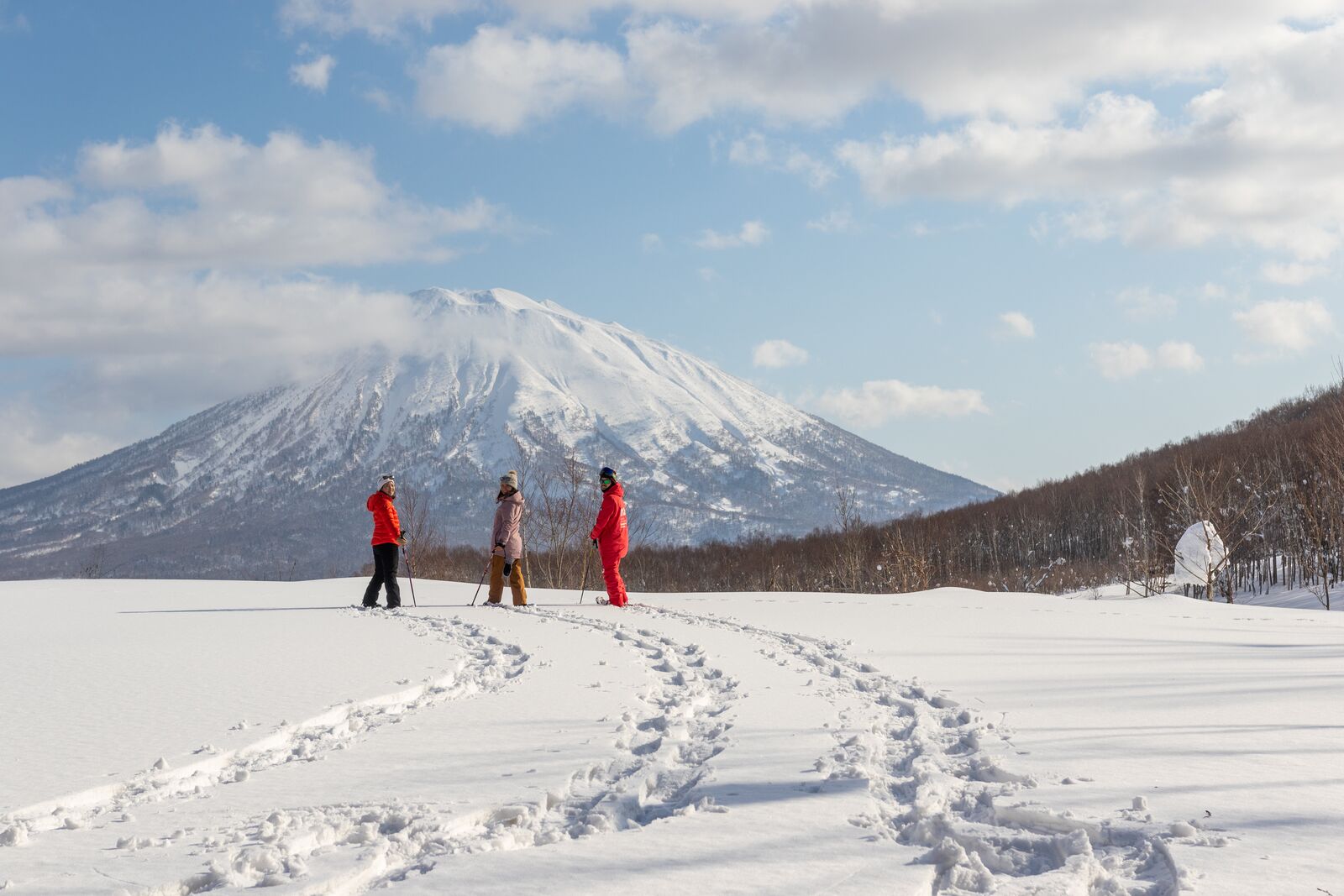
A winter walk through Hirafu and the surrounding areas can offer beautiful views of snow-covered landscapes and Mount Yotei.

Early morning and late afternoon can be particularly atmospheric, with changing light across the mountains.

Remember that winter conditions can make walking more challenging, so suitable footwear and warm clothing are important.

8. Enjoy a Snowmobile Experience

Snowmobiling offers a more adventurous way to experience the winter landscape.

Visitors can join organised snowmobile activities and travel across designated snowy areas under appropriate supervision.

It can be a good choice for travellers who want something more energetic than sightseeing but are not interested in spending the day skiing.

Availability depends on the season, weather and local operators.

9. Try Snow Tubing and Family Snow Activities

Families travelling to Niseko have plenty of options beyond skiing.

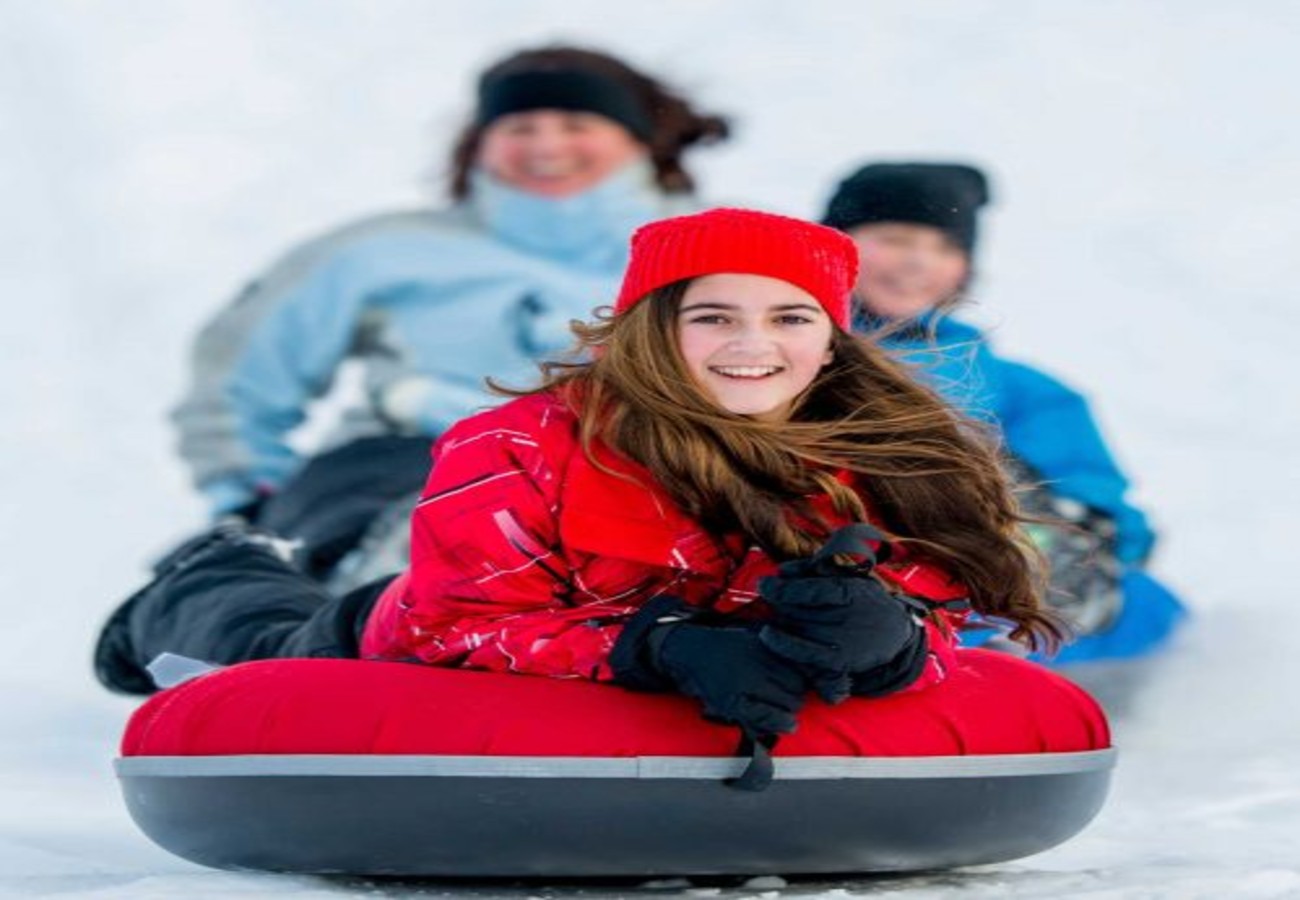
Snow tubing and other recreational snow activities can provide simple entertainment for children and adults alike.

These activities are generally easier to approach than skiing and can be added to a family itinerary without requiring extensive preparation.

10. Visit an Indoor Onsen or Spa

Not every winter day needs to be spent outdoors.

After several active days, taking time for a spa treatment, relaxation session or indoor wellness experience can help create a more balanced holiday.

This is especially useful for groups where some travellers want adventure while others prefer a slower pace.

11. Discover Hokkaido’s Food Scene

Food is a major part of the Niseko experience.

Winter visitors can enjoy Japanese cuisine alongside international dining options throughout the resort area.

Depending on your itinerary, you can look for:

  • Japanese ramen
  • Sushi and seafood
  • Hokkaido dairy products
  • Grilled dishes
  • Hot pots
  • Japanese sweets
  • Local vegetables
  • Cafés and bakeries

For popular restaurants during the busy winter season, advance planning can be helpful.

12. Try Hokkaido Seafood

Hokkaido is well known for its seafood, making a winter visit an opportunity to try fresh local dishes.

Crab, scallops, salmon and other seafood feature prominently across Hokkaido’s food culture.

For travellers staying several nights in Niseko, including a few different dining experiences can add variety to the trip.

13. Enjoy Japanese Ramen

A bowl of hot ramen is particularly appealing after spending time outside in Niseko’s winter temperatures.

Niseko and Hirafu have a range of casual dining options, making ramen an easy choice for lunch or dinner.

It is also a practical option for families and groups looking for a relaxed meal between activities.

14. Explore Niseko’s Cafés

Winter is a great time to slow down in one of Niseko’s cafés.

Enjoying coffee, tea, pastries or dessert while looking out at the snowy landscape can be an activity in itself.

Café stops can also work well between outdoor activities or on days when weather conditions make extensive sightseeing less appealing.

15. Take a Day Trip to Otaru

If your itinerary allows, consider adding Otaru to your Hokkaido winter holiday.

Otaru is known for its historic streets, canal, shops and food culture. Its winter atmosphere makes it an appealing destination for a day trip from the wider Hokkaido region.

A trip to Otaru can provide a useful contrast to the mountain environment around Niseko.

16. Visit Kutchan

Kutchan is closely connected to the Niseko area and provides another opportunity to experience local Hokkaido life.

Visitors can explore restaurants, shops and local services while taking a break from resort activities.

For longer Niseko stays, spending some time beyond the main resort areas can provide a broader perspective of the region.

17. Photograph Mount Yotei

Mount Yotei is one of the most recognisable natural landmarks around Niseko.

Often compared visually to Mount Fuji because of its distinctive volcanic shape, the mountain creates an impressive backdrop to the surrounding landscape.

Winter provides particularly striking scenery when the mountain and surrounding countryside are covered in snow.

Bring your camera, but also leave time to simply enjoy the view.

18. Enjoy a Scenic Drive

A winter drive around the Niseko and wider Hokkaido region can reveal landscapes that are difficult to appreciate from the resort alone.

Road conditions can be challenging during winter, so driving requires appropriate preparation and caution.

Visitors who do not want to drive can instead consider organised transfers or tours where available.

19. Go Shopping in Hirafu

Hirafu has a selection of shops where visitors can browse clothing, outdoor equipment, souvenirs and local products.

Shopping is particularly useful on days when you want a break from outdoor activities.

It can also be a good opportunity to pick up winter essentials if you discover that you need additional layers or equipment during your stay.

20. Spend a Relaxing Day at Your Accommodation

One of the most overlooked things to do in Niseko is simply enjoy where you are staying.

A spacious apartment can provide a comfortable base for a slower day, particularly for families and groups.

Prepare breakfast, enjoy the views, relax in the living area, plan the next day’s activities and spend time together without rushing from one attraction to another.

For a multi-day winter holiday, having this flexibility can make the overall experience more comfortable.

21. Enjoy Niseko’s Winter Nightlife

Niseko’s winter atmosphere continues after the sun goes down.

Hirafu has restaurants, bars and other evening venues where visitors can socialise after a day in the snow.

For groups and couples, an evening meal followed by drinks or a relaxed walk through the snowy village can be a simple way to end the day.

22. Experience Niseko with Children

Niseko can also be an enjoyable winter destination for families.

Children who are not ready for full ski days can participate in snow-based activities, explore the village, enjoy family-friendly dining and experience the snowy environment at their own pace.

Families should build some flexibility into their itinerary rather than scheduling intensive activities every day.

Niseko Winter Activities at a Glance

ActivityBest ForTime Needed
SkiingSkiers of different levelsHalf or full day
SnowboardingSnowboardersHalf or full day
SnowshoeingOutdoor exploration2–4 hours
OnsenRelaxation1–3 hours
SnowmobilingAdventure1–3 hours
Snow tubingFamilies1–2 hours
Hirafu explorationAll travellers2–4 hours
Café hoppingCouples and families1–3 hours
Local diningEveryone1–2 hours
Mount Yotei sightseeingPhotographers and familiesFlexible
Otaru day tripSightseeingFull day
Kutchan visitLocal explorationHalf day
ShoppingEveryone1–3 hours
Winter photographyPhotographersFlexible
Relaxing at your accommodationFamilies and groupsFlexible

How Many Days Do You Need in Niseko?

For a first winter visit, 3 to 5 nights in Niseko can provide enough time to combine skiing or snow activities with sightseeing and relaxation.

A sample itinerary could look like this:

DaySuggested Plan
Day 1Arrive, settle in and explore Hirafu
Day 2Skiing or snowboarding
Day 3Snow activity + onsen
Day 4Skiing or Niseko sightseeing
Day 5Otaru or Kutchan day trip
Day 6Relaxed morning and departure

The ideal length depends on whether skiing is your main priority and how much of Hokkaido you want to explore.

Where to Stay for a Winter Holiday in Niseko

Choosing the right accommodation can significantly affect your winter experience.

For families and groups, a spacious apartment can provide more flexibility than a conventional hotel room. Separate bedrooms, living areas and kitchen facilities can make longer stays more comfortable.

Staying in or around Hirafu also provides convenient access to restaurants, cafés, shops and winter activities.

Stay at Aspect Niseko

Aspect Niseko provides luxury apartment accommodation in the heart of Hirafu, making it a practical base for exploring Niseko during winter.

The property offers spacious accommodation options from one to five bedrooms, with open-plan living spaces and fully equipped kitchens. Guests can also benefit from services designed around a comfortable winter stay, including ski valet and shuttle services.

For families and groups, having space to relax together after a day outdoors can be particularly valuable.

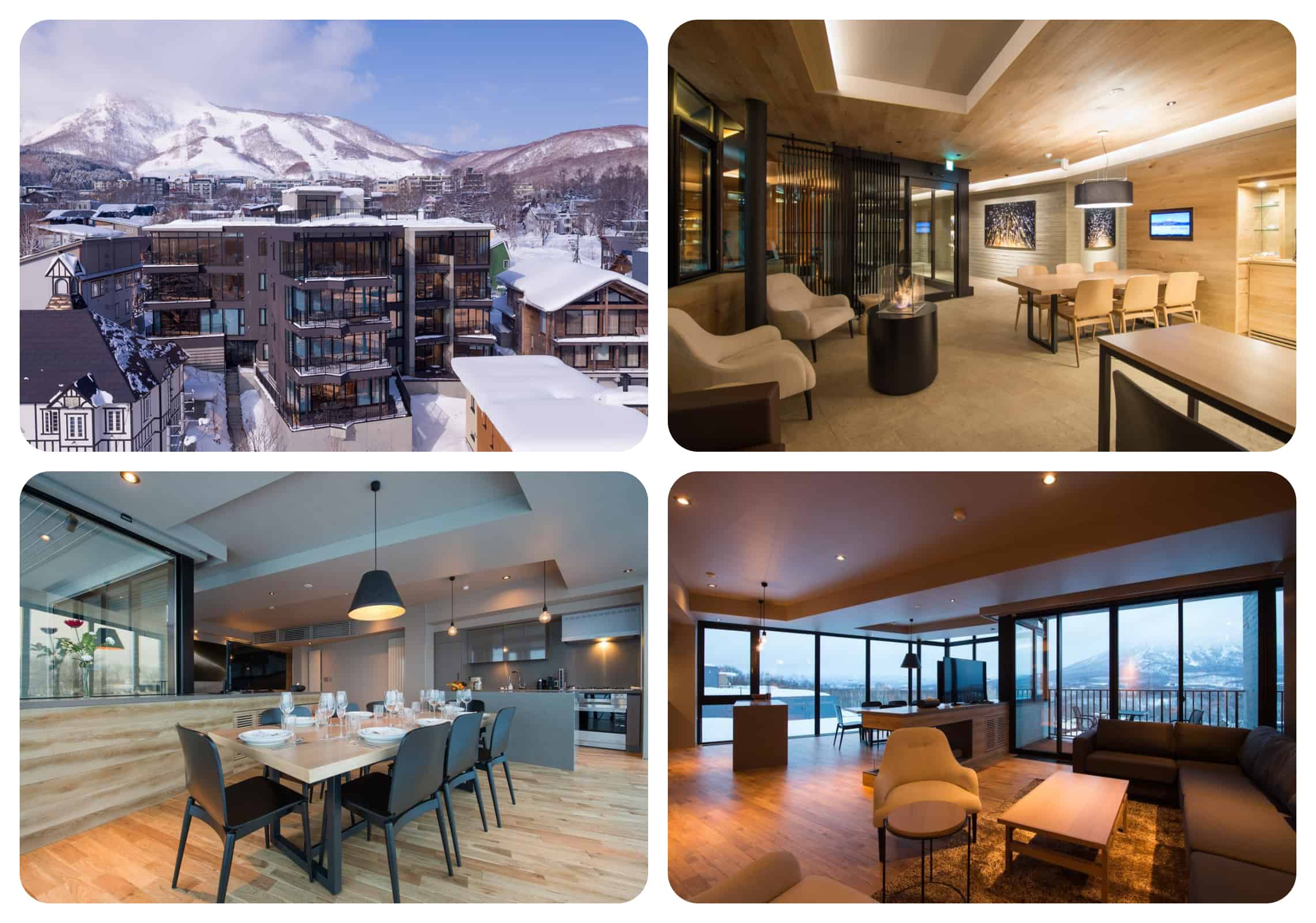
Winter accommodation options in Niseko, Japan, surrounded by snowy mountains and scenic winter landscapes.Tips for Visiting Niseko in Winter

Book Accommodation Early

Winter is Niseko’s busiest travel period. Popular accommodation can fill well ahead of the season, particularly around peak holiday dates.

Pack for Snow

Warm, waterproof clothing and suitable winter footwear are important. Conditions can change quickly, so layering is useful.

Allow Extra Travel Time

Snow and winter road conditions can affect travel times. Avoid planning an itinerary that leaves little room for delays.

Mix Active and Relaxing Days

You do not need to ski every day. Combining skiing, sightseeing, food, onsen and relaxation can make a longer trip more enjoyable.

Plan Popular Restaurants

Some restaurants become particularly busy during the winter season. Booking ahead can help, especially for larger groups.

Frequently Asked Questions

What are the best things to do in Niseko in winter besides skiing?

Popular non-ski activities include snowshoeing, snowmobiling, onsen visits, winter sightseeing, photography, shopping, cafés, local dining and day trips.

Is Niseko worth visiting if you don’t ski?

Yes. Niseko offers winter experiences beyond skiing, including snow activities, hot springs, dining, sightseeing and the opportunity to enjoy the surrounding Hokkaido landscape.

What can families do in Niseko during winter?

Families can combine skiing lessons with snow activities, sightseeing, dining, snowshoeing, snow tubing and relaxed days at their accommodation.

How many days should I spend in Niseko?

A stay of around 3 to 5 nights can provide enough time to experience skiing or snow activities while leaving room for sightseeing and relaxation.

What is there to do in Hirafu at night?

Visitors can enjoy restaurants, cafés, bars, shopping and the winter atmosphere around the village after the day’s outdoor activities.

Can you visit Niseko without a car?

Yes. Visitors can base themselves around resort areas such as Hirafu and use available local transportation, shuttles and organised transfers depending on their itinerary.

Final Thoughts

Niseko offers much more than skiing.

Its winter appeal comes from the combination of powder snow, mountain scenery, Japanese food, hot springs, village experiences and opportunities to slow down and enjoy Hokkaido.

Whether you are travelling with children, as a couple, with friends or as a mixed group of skiers and non-skiers, building a varied itinerary can help you experience a different side of Niseko.

For visitors looking for a comfortable base, staying in Hirafu gives you access to the resort atmosphere while keeping you close to many of the experiences that make a Niseko winter holiday memorable.

Hirafu ski resort with snowy slopes, mountain views, and skiers enjoying a winter holiday in Niseko, Japan

Slope-Side Serenity: Why Location Matters for Your Niseko Ski Holiday

By Luxury Resort, Luxury Resort, Luxury Resort, Luxury Resort, Luxury Resort, Luxury Resort, Luxury Resort, Luxury Resort, Luxury Resort, Ski Accommodation, Ski Accommodation, Ski Accommodation, Ski Accommodation

Planning a luxury winter getaway often reveals unexpected daily friction points. Heavy skis, stiff boots, and layers of gear quickly exhaust you before your first run. Lugging equipment through icy streets creates unnecessary morning stress for every family member.

Choosing the wrong lodging increases this physical hassle significantly. Distance feels much longer when you carry heavy equipment in freezing temperatures.

Strategic positioning transforms your daily routine completely. Middle Hirafu stands out as the ultimate base for a Niseko, Japan ski resort trip.

An ideal location provides more than simple proximity to the mountain. True luxury means eliminating daily logistics, so you focus purely on the powder at this premier Hokkaido ski resort.

Why Does Your Niseko Accommodation Location Matter More Than You Think?

Choosing the wrong base impacts every hour of your ski getaway. Walking through deep snow carrying equipment drains your energy quickly. Extra distance adds frustration, especially when travelling with children or large groups.

Evaluating four key convenience factors helps you choose the perfect accommodation in Niseko, Central Hirafu:

  • Morning access: Private transport gets you to the lifts quickly without long queues.
  • Gear management: Dedicated dry rooms protect your ski equipment and keep boots warm.
  • Village access: Central positioning places premier restaurants and shops within easy reach.
  • End-of-day recovery: Fast returns let you relax inside luxury lodging immediately after skiing.

Key Takeaway: A great ski location should save time before, during, and after skiing.

Middle Hirafu vs. Being Directly Beside the Slopes

Many travellers assume ski-in ski-out lodging offers the ultimate luxury experience. Slope proximity is certainly valuable for quick mountain access. However, direct slope access is not the only important consideration for your holiday. High-altitude stays often trade off convenient access to fine dining and nightlife.

Finding the ideal Niseko ski accommodation with shuttle services balances quiet relaxation with village entertainment. Selecting Middle Hirafu village chalets allows you to enjoy world-class powder and vibrant dining seamlessly.

ConsiderationSlope-Focused StayMiddle Hirafu Stay
Ski accessExcellentConvenient with transport
RestaurantsVariesStrong village access
Gear handlingProperty-dependentCan include ski valet
Group logisticsCan varyShuttle can simplify movement
Evening flexibilityLocation-dependentVillage access
PrivacyVariesStrong apartment options

The ideal choice depends on how you want to spend your holiday. Combining dedicated mountain transport with village access creates a superior luxury trip.

The Real Luxury? Not Carrying Your Ski Gear

True luxury removes unnecessary physical tasks from your daily vacation schedule. Managing heavy equipment every morning creates unwanted stress during your winter trip. Utilising a premium Niseko ski valet service completely transforms your mountain routine.

Without a ski valet service:

  • Leave accommodation while carrying full winter equipment.
  • Carry heavy skis and boots through snowy streets.
  • Manage cumbersome equipment around public transport options.
  • Return to your room with wet and heavy gear.
  • Find space inside your room to dry everything properly.

With ski valet support:

  • Store equipment securely in dedicated, heated spaces.
  • Have gear handled carefully by the professional service team.
  • Travel lighter and more comfortably to the mountain every morning.
  • Return from the slopes without carrying heavy equipment yourself.
  • Start every new day with completely dry gear ready for action.

Aspect Niseko provides an exceptional ski valet service for all guests. The dedicated guest service team handles gear storage, loading, and unloading seamlessly.

Key Takeaway: For families, the biggest luxury may be removing small daily inconveniences.

How Does a Private Morning Shuttle Change Your Ski Day?

A dedicated transport service streamlines your morning schedule and eliminates daily travel friction. The service provides effortless transport to the slopes with equipment and convenient pickup after skiing.

  • 7:00 AM: Wake up: Breakfast and preparation begin smoothly without rushing out the door.
  • 8:00 AM: Gear is ready: Ski equipment does not need to be carried from the apartment floor.
  • Morning: Shuttle to the slopes: Guests travel comfortably with less physical effort and zero logistics stress.
  • Afternoon: Finish skiing: Return transport eliminates walking through cold streets after a long day.
  • Evening: Back in Hirafu: Top-rated local restaurants and bars remain effortlessly accessible for your group.

Staying in a luxury holiday apartment in Niseko like Aspect Niseko enhances this convenience. Aspect offers complimentary shuttle service within Hirafu, subject to availability, making every transition completely effortless.

Private morning ski shuttle transporting guests to the slopes in NisekoWhy Middle Hirafu Works for Families and Groups?

Travelling with large parties creates unique operational demands during winter holidays. Parents often struggle while managing children’s equipment and winter outerwear simultaneously. Multi-generational groups need flexibility because individual members possess different skiing abilities and interests. Couples and friends often desire world-class skiing paired with fine dining access. Large groups also require expansive living spaces beyond standard hotel rooms.

Selecting spacious middle Hirafu village chalets solves these group travel challenges. Premium middle Hirafu village chalets offer flexible layouts that outperform traditional hotel stays. Aspect Niseko features two-, three-, and five-bedroom accommodation options tailored for multi-generational comfort.

Middle Hirafu offers:

  • Central village convenience with immediate dining access.
  • Dedicated ski transportation to eliminate group walking hassles.
  • Flexible apartment living with generous communal living space.
  • Effortless post-ski relaxation for every group member.

Location Matters Beyond Skiing

A superior location enhances every aspect of your Hokkaido winter holiday. Choosing premium Niseko accommodation ensures that off-mountain activities remain effortless for every guest.

  • Dining: Celebrated local restaurants, bakeries, and cozy cafés are within easy walking distance.
  • Après-ski: Enjoy vibrant nightlife and craft drinks without planning complicated late-night transport.
  • Rest days: Relaxed village exploration stays enjoyable even when skipping the slopes for a day.

Positioning yourself near central village amenities elevates your overall stay. Staying at a world-class Niseko Japan ski resort offers exceptional dining and leisure beyond the mountain trails. Discover why Hirafu remains the most desirable destination at this famous Hokkaido ski resort.

Aspect Niseko: A More Effortless Way to Stay in Middle Hirafu

Aspect Niseko perfectly combines a Middle Hirafu location with dedicated services designed to simplify your ski days.

  • Stay spacious: Multi-bedroom apartments give families and groups plenty of room to spread out comfortably.
  • Move easily: A complimentary shuttle service supports smooth movement around Hirafu, subject to availability.
  • Leave the gear behind: On-site ski valet and storage services dramatically reduce daily equipment handling stress.
  • Return somewhere comfortable: High-end apartments feature generous living areas, fully equipped kitchens, and private laundry facilities.
  • Stay connected to Hirafu: Guests remain steps away from premier dining, world-class skiing, and vibrant village experiences.

For travellers seeking a luxury holiday apartment in Niseko, Aspect Niseko offers exceptional space and service without sacrificing prime village convenience.

How to Choose the Right Niseko Ski Accommodation?

Selecting your ideal winter base requires evaluating key daily logistics before booking. Ask yourself these five crucial questions to evaluate any potential property:

  • How far is the accommodation from the ski area?
  • Is transport available when you need it?
  • Does the property offer secure ski storage?
  • Who handles your equipment after skiing?
  • Can you reach restaurants without another long journey?

If your accommodation answers all five positively, the location is working for your holiday. Evaluating these practical factors ensures a seamless, hassle-free winter vacation.

Luxury ski accommodation in Niseko surrounded by snowy mountainsConclusion: The Best Niseko Location Is the One That Makes Skiing Easier

Your choice of accommodation shapes every single day of your ski holiday. True convenience extends far beyond physical distance to the lifts. Dedicated shuttle services drastically simplify daily access to the slopes. Meanwhile, specialised ski valet services eliminate gear-management hassles. Middle Hirafu blends central village access with a tranquil, refined atmosphere. Aspect Niseko brings these elements together through premium residences and attentive guest services.

Planning your next Niseko ski holiday? Explore Aspect Niseko’s luxury apartments in Middle Hirafu and make every ski day easier.

FAQs

How long are Niseko runs?

The Niseko United network features over 48 kilometres (nearly 30 miles) of groomed trails across four connected resort areas. The longest continuous run stretches approximately 5.6 kilometres (3.5 miles) from the peak terrain toward the base.

Is Niseko skiing good?

Yes, Niseko ranks among the top powder-skiing destinations globally. Cold Siberian air currents pick up moisture over the Sea of Japan, dumping vast amounts of light, dry snow (averaging over 15 meters per season). This creates ideal conditions for deep powder, wide groomers, night skiing, and back-bowl tree runs.

What is Niseko elevation?

Mount Niseko Annupuri reaches a peak elevation of 1,308 meters (4,291 feet). The base ski areas sit at roughly 255 to 300 meters, offering a vertical drop of nearly 1,000 meters.

What is the largest ski area in Hokkaido?

Rusutsu Resort holds the title for the largest single-operator ski resort in Hokkaido by continuous groomed trails (42 km of courses). However, Niseko United offers a larger combined terrain footprint across its four interconnected inter-mountain zones.

What are the big 3 ski resorts?

In terms of top premier winter destinations offering world-class powder, luxurious stays, and elite alpine access, three notable spots stand out:

  1. Niseko United (Grand Hirafu / Hanazono) – Japan’s primary capital for deep powder snow and international ski culture.
  2. Aspect Niseko – A premier luxury ski property located in Middle Hirafu, offering high-end service, private shuttles, ski valet support, and spacious residences.
  3. Hakuba Valley – Honshu’s famous Olympic venue that features dramatic, steep Alpine terrain across multiple peaks.

Which country is known for skiing?

Switzerland, France, Austria, Canada, the United States, and Japan are famous for world-class skiing. Japan specifically stands out for its high density of snow and powder conditions (“Japow”).

Which country has the most ski resorts?

The United States leads globally in the overall total count of active ski resorts (over 450 operational fields), closely followed by Japan, Germany, and Austria.

Family enjoying a luxury ski holiday in Niseko surrounded by snowy mountain

The Ultimate Family Guide to Luxury Ski Trips in Niseko

By Apartment, Apartment, Apartment, Apartment, Apartment, Apartment, Apartment, Apartment, Apartment, Apartment

Luxury family accommodation in Niseko means spacious private accommodation designed for families or groups. It combines multiple bedrooms with shared living areas and convenient resort access.

Many travellers view Niseko Hokkaido ski resort as the top winter destination in Asia. The mountain combines world-class powder with sophisticated accommodation options for all ages.

Multi-generational trips often create a difficult choice between privacy and togetherness. Standard hotel bookings separate families across different floors and hallways. Smaller rooms make long group trips cramped and uncomfortable.

Large snowy mountain accommodation options solve these common travel problems. Booking spacious Niseko luxury apartments keeps your family together while providing personal space. Middle Hirafu offers the perfect balance of village convenience and vibrant atmosphere. Choose Niseko Japan accommodation based on how your family travels together.

Why Niseko Works So Well for a Multi-Generational Ski Holiday?

Niseko Hokkaido ski resort caters to every age group and skill level effortlessly. The interconnected Niseko United network includes four distinct resort areas on one peak. Grand Hirafu serves as the main hub with direct lift access and top amenities.

Beginners learn on gentle slopes while advanced skiers chase deep powder off-piste. Family members can split their day without losing their shared base. Non-skiers enjoy vibrant village experiences, luxury shopping, soothing hot springs, and fine dining. Active group members can extend their time on the slopes with world-class night skiing.

Why do families choose Niseko?

  • World-Class Powder Snow: Fluffy, light snow creates safe conditions for learning and play.
  • Varied Skiing Terrain: Slopes accommodate first-timers, intermediate cruisers, and expert powder seekers.
  • Family-Friendly Activities: Snowshoeing, tubing, and cultural tours entertain non-skiing family members daily.
  • Diverse Dining Choices: Village restaurants range from casual ramen spots to Michelin-starred feasts.
  • Convenient Village Infrastructure: Pedestrian-friendly streets link rental shops, cafes, and ski schools smoothly.
  • Luxury Accommodation: Spacious Niseko luxury apartments give large groups comfortable room to relax.

Multi-generational family enjoying a ski holiday in Niseko with snowy mountain sceneryWhat Should Families Look For in Niseko Accommodation?

Finding the ideal snowy mountain accommodation requires more than booking a high-end room. Multi-generational groups need smart layouts and thoughtful amenities to simplify daily logistics.

The Family Accommodation Checklist:

  • Bedrooms: Separate sleeping spaces give grandparents, parents, and children vital privacy.
  • Bathrooms: Multiple ensuite bathrooms eliminate stressful morning congestion before morning ski lessons.
  • Shared Living Space: Generous lounge areas allow whole families to gather and relax together.
  • Kitchen Facilities: Fully equipped kitchens make quick breakfasts and easy family snacks effortless.
  • In-Suite Laundry: On-site washers save space and handle wet winter gear easily.
  • Prime Location: Booking a 5-bedroom suite in Central Hirafu cuts out long walking routes.
  • Guest Services: Dedicated shuttle drivers and concierge support remove travel stress entirely.

Selecting well-designed Niseko luxury apartments guarantees a smooth family ski holiday in Japan experience for everyone.

Hotel Rooms vs. Private Multi-Bedroom Suites: Which Is Better?

Choosing the right layout determines your trip quality. Comparing booking options highlights clear differences for large group travel.

ConsiderationMultiple Hotel RoomsPrivate Multi-Bedroom Suite
Family TogethernessLimitedHigh
Living SpaceUsually limitedSpacious
PrivacySeparate roomsPrivate bedrooms
Shared MealsLess convenientEasier
ChildrenSeparate supervisionEasier family coordination
Extended FamiliesCan feel fragmentedOne shared base
Group LogisticsMore complicatedSimpler

Booking a large group ski chalet in Niseko changes everything. A 5-bedroom suite in Central Hirafu option provides unified living space. Standard rooms break groups apart across corridors.

The main accommodation question is simple: How much space does everyone need to travel comfortably? Spacious suites win every time.

Why Is Middle Hirafu a Smart Base for Families?

Hirafu serves as the vibrant heart of the Niseko Hokkaido ski resort. The village places world-class restaurants, charming shops, and ski lifts within easy walking distance. Choosing a central base means your family can explore without relying on rental cars or buses.

This prime location lets different generations enjoy their preferred activities freely and safely.

A Typical Family Day in Middle Hirafu:

  • Morning: Active skiers walk or ride to nearby lifts within minutes.
  • Afternoon: Grandparents relax inside their warm, snowy mountain accommodation or visit local cafes.
  • Evening: The whole group meets effortlessly at a nearby restaurant for dinner.
  • Night: Everyone returns to one shared suite without navigating separate hotel wings.

Central Niseko Japan accommodation makes group logistics simple for every family member.

The Aspect Niseko Difference: Private Space Without Losing the Village

Aspect Niseko provides the ultimate accommodation solution in Middle Hirafu. The property sits near premier village dining and shopping experiences. Booking here gives you a private base rather than scattered hotel rooms.

The building offers expansive Niseko luxury apartments designed for large group comfort.

Suite Options at Aspect Niseko:

  • 3 Bedroom Premium Suite: Spans 165 m² with 3 bedrooms and 3 bathrooms for 7 guests.
  • 3 Bedroom Platinum Suite: Covers 179–185 m² featuring 3 bedrooms and 3 bathrooms for 7 guests.
  • 5 Bedroom Suite: Offers 292–298 m² of space for 12 guests across an entire floor. It features two kitchens, two living areas, and two laundry rooms.

Every layout includes fully equipped kitchens and an in-suite washer and dryer. Strikers enjoy floor-to-ceiling windows framing striking Mt. Yotei views. On-site guest services include a ski valet and dedicated concierges. Drivers provide a complimentary Hirafu shuttle subject to availability. This setup delivers the ideal luxury family accommodation in Niseko.

Choosing the Right Suite for Your Family

Selecting ideal Niseko Japan accommodation comes down to party size and daily routines.

Choose a 3-bedroom suite if:

  • Your travelling group contains up to seven guests total.
  • You require distinct, private bedrooms for every couple.
  • You prefer one unified living area for shared downtime.
  • You want expansive apartment space without extra unused rooms.

Choose the 5-bedroom whole-floor suite if:

  • Your group includes multiple families travelling together.
  • You invite grandparents who need extra peace and quiet.
  • Your party hosts up to twelve total guests.
    Villa Finder
  • Privacy stands out as your top priority.
  • You want multiple living spaces for separate age groups.
  • You require doubled kitchen and laundry capacity daily.

Booking a 5-bedroom suite in Central Hirafu layout provides ultimate flexibility for massive family gatherings.

Planning a Comfortable Family Ski Day in Niseko

  • 7:00 AM: Families prepare quick breakfasts inside their private kitchen.
  • 8:30 AM: Skiers grab gear from the valet and head toward the slopes.
  • 12:30 PM: Different family members choose village dining options based on their mood.
  • 3:30 PM: Children, grandparents, and tired skiers rest inside their warm suite.
  • 6:30 PM: Everyone reconnects for a festive meal without leaving the village area.
  • 8:30 PM: The entire group enjoys quiet downtime in the spacious shared living room.

Staying in a large group ski chalet in Niseko keeps everyone relaxed. Smart timing turns a family ski holiday in Japan into an effortless group experience.

Beyond Skiing: Building a Family Holiday Around Niseko

A family ski holiday in Japan offers much more than mountain slopes. Not every family member needs to ski every single day. Multi-generational groups thrive when everyone explores at their own comfortable pace.

Activities for non-skiers and rest days:

  • Japanese Dining: Experience local izakayas, warm ramen shops, and fine dining spots.
  • Local Cultural Experiences: Participate in tea ceremonies and authentic local artisan workshops.
  • Snow Activities: Try snowshoeing, snowmobiling, and family sledding adventures together.
  • Onsen Experiences: Soak in soothing natural hot springs after cold winter days outdoors.
  • Village Exploration: Stroll through charming Hirafu boutiques and cozy snow-covered cafes.
  • Scenic Winter Walks: Enjoy serene snowscapes and clear views of Mount Yotei.
  • Apartment Time: Relax inside your large group ski chalet in Niseko

When Should You Book Niseko Accommodation?

Securing luxury group suites requires early planning. Niseko United experiences massive demand during key winter periods. You must book well ahead for Christmas, New Year, Chinese New Year, January, and February. High-end suites fill up six to twelve months in advance.

Niseko United+ 2

Essential Family Booking Checklist:

  • Confirm your exact travel dates early.
  • Decide your final group size.
  • Choose specific bedroom and bathroom requirements.
  • Check convenient slope and lift access.
  • Reserve your preferred Niseko Japan accommodation.
  • Arrange airport-to-mountain transfers.
  • Japan Ski Experience
  • Book private ski lessons.
  • Japan Ski Experience
  • Reserve popular village restaurants ahead.

Plan Your Niseko Family Escape With Aspect

A successful ski trip needs more than great snow. It requires space, convenience, privacy, and shared experiences. Middle Hirafu provides the ideal central location. Aspect Niseko delivers the private space multi-generational families need to reconnect.

Explore Aspect Niseko suite options today to plan your ultimate winter getaway. Secure your spacious private suite and elevate your group ski experience.

Family planning a luxury ski escape in Niseko surrounded by snowy mountain sceneryFrequently Asked Questions

How long is the Niseko gondola?

Niseko United has four main resort gondolas ranging from 1,470 meters to 2,660 meters in length. The longest is the Niseko Village Gondola at 2,660 meters, which takes about 10 minutes to ride.

Is Niseko skiing good?

Yes, Niseko offers world-class skiing famous for its exceptionally deep, light, and dry powder snow. The four interconnected resorts provide varied terrain, modern lift infrastructure, and great tree runs.

Where do rich people ski in Japan?

Wealthy travellers primarily ski in Niseko (Hokkaido) and Hakuba (Nagano). Niseko is famous for high-end luxury ski-in/ski-out chalets, Michelin-star dining, and luxury resorts like The Ritz-Carlton Reserve.

What is the best month to ski in Hokkaido?

January and February offer the best powder accumulation and consistent snowstorms. February offers slightly clearer weather windows alongside deep snow conditions.

When to avoid skiing in Japan?

Avoid Late March through April if you want light powder, as the snow turns slushier and warmer weather sets in. Late December during New Year week is also best avoided due to extreme holiday crowds.

How many days in Hokkaido is enough?

A stay of 7 to 10 days is ideal for a full Hokkaido experience. This duration leaves enough time to ski for a few days and explore cities like Sapporo and Otaru.

What is a must-buy in Hokkaido?

Shiroi Koibito butter cookies and Royce’ Nama Chocolates are top sweet treats to buy. Local ceramics, Hokkaido lavender products, and Japanese single malt whiskey are also very popular gifts.

Is English widely spoken in Hokkaido?

English is widely spoken in tourist hotspots like Niseko and major hotel areas in Sapporo. In smaller local towns, English usage drops off, but translation apps work smoothly.

What food is Hokkaido famous for?

Hokkaido is world-famous for fresh sea urchin, king crab, and miso ramen. Visitors also love Jingisukan (grilled mutton BBQ) and rich dairy products like fresh soft-serve ice cream.


Bus transfer from New Chitose Airport to Niseko through snowy Hokkaido scenery

New Chitose Airport to Niseko: The Complete Transfer Guide

By Golf Tournament

The easiest way to travel from New Chitose Airport to Niseko is usually by direct airport bus or private transfer. For winter 2026/27, the Good Sports White Liner offers a direct bus to Niseko Hirafu, with a 25% web-booking discount until August 31, bringing the adult fare to ¥5,250. Private transfers take roughly 2.5 hours and offer door-to-door convenience, while trains are cheaper but involve connections. For guests staying at Aspect Niseko, a concierge-arranged transfer can make the journey considerably easier.

For most international visitors, Niseko begins long before the first chairlift.

It begins at New Chitose Airport, where the first practical question is simple: how do you get from the airport to the mountains? The distance is around 116 kilometres, and Aspect Niseko estimates a direct journey at approximately 2 hours and 20 minutes under normal conditions. Winter weather can extend road travel times, so your choice of transfer matters.

There is no single best CTS to Niseko transfer for every traveller. Couples travelling light may find the train perfectly manageable, while families with children and ski equipment often value the simplicity of a private vehicle. The airport bus offers a useful balance between cost and convenience, while a rental car makes more sense for travellers planning to explore Hokkaido beyond Niseko.

For guests booking a luxury stay in Niseko, however, convenience often becomes just as important as price. After a long international flight, avoiding additional connections, luggage transfers and transport decisions can make the beginning of your holiday much more enjoyable.

New Chitose Airport to Niseko: Your Main Transfer Options

The five main choices are airport bus, train, private transfer, taxi and rental car. Journey times and prices can change according to weather, traffic, vehicle type and the season, so treat published figures as useful planning estimates rather than guarantees.


Transfer TypeApprox. TimeIndicative CostBest For
Airport Bus2.5–3 hours¥6,000 adultValue and simplicity
Train3–3.5+ hours¥3,000–¥4,000Light luggage
Private TransferAround 2.5 hoursFrom ¥55,000Families and groups
TaxiAround 2.5 hours¥40,000+Direct travel
Rental Car2.5–3 hoursVariesIndependent travellers

Airport Bus: The Best Value for Many Visitors

The airport bus is one of the easiest ways to make the New Chitose Airport to Niseko journey without paying for a private vehicle. After collecting your luggage, you can head to the relevant airport bus departure area and travel directly towards Niseko. There is no need to navigate unfamiliar trains or drive on snowy roads.

For winter 2026/27, Hokkaido Access Network lists a one-way fare of ¥6,000 for adults and ¥5,000 for children. Its service operates daily from December 1, 2026, through March 30, 2027, although individual services can have different operating periods. The operator lists a journey of around 2 hours and 30 minutes to Hirafu Welcome Center for certain services.

Another option is Good Sports White Liner, which provides a direct 2.5-hour bus from New Chitose Airport to Niseko Hirafu. It is currently offering 25% off web bookings made by 11:59 pm JST on August 31, bringing the adult one-way fare down to ¥5,250.

The main drawback is the final connection. A bus may bring you to a central Niseko stop rather than directly to your accommodation. If you are carrying large suitcases, skis or snowboards, you may still need a local shuttle or taxi. That extra step can feel inconvenient after a long flight.

Train: Affordable but Less Convenient

Travelling by train offers another option for visitors who prefer public transport. The usual journey involves travelling from New Chitose Airport towards Otaru, changing for Kutchan, and then arranging onward transport to Hirafu. Depending on the connection, the journey can take approximately 3 to 3.5 hours, with published fares generally around ¥3,000–¥4,000.

The biggest advantage is the price. It is generally cheaper than a private vehicle and can also be a pleasant way to see more of Hokkaido. The problem is luggage. Moving a large suitcase, ski bag or snowboard between trains can quickly become tiring, particularly if you have already spent most of the day travelling.

For that reason, the train is best suited to light packers and travellers who do not mind a longer journey. It is less attractive if your priority is reaching your accommodation as quickly and comfortably as possible.

Private Transfer: The Most Convenient Option

For many visitors, a private CTS to Niseko transfer offers the smoothest arrival. Your driver meets you at the airport and takes you directly to your accommodation, meaning there are no train changes, crowded buses or additional luggage transfers to manage.

Prices depend on the operator and vehicle. SkyExpress lists 2026/27 winter private transfers from New Chitose Airport to Niseko at ¥57,000 for up to three passengers, ¥75,000 for four to eight passengers and ¥105,000 for larger groups. Its estimated journey time is approximately 2.5 hours. Setsu, another Niseko accommodation provider, lists private airport transfers from ¥55,000 for one to three passengers.

The price can initially seem high compared with a bus or train. However, the calculation changes when travelling as a family or group. You are paying for the entire vehicle rather than an individual seat, while also gaining door-to-door service and considerably less hassle with luggage.

For travellers choosing Niseko luxury accommodation, that convenience can be an important part of the overall experience.

●   Taxi: Direct but Usually More Expensive

A taxi provides the same basic advantage as a private transfer: you travel directly from the airport to your accommodation. Published prices vary according to vehicle size, operator, season and luggage requirements. Niseko Ground Service lists New Chitose Airport to Niseko transfers from approximately ¥41,000 for a small taxi, with larger vehicles costing more.

For this reason, a pre-booked private transfer can often be easier to plan. You know the vehicle, meeting arrangements and luggage capacity before you arrive, which is particularly useful for groups travelling with ski equipment.

●   Rental Car: Freedom Comes With Responsibility

A rental car gives you the greatest independence. You can stop along the route, explore surrounding areas and travel beyond Hirafu without relying on shuttle timetables. The drive generally takes around 2.5–3 hours, depending on conditions.

However, winter driving in Hokkaido should not be underestimated. Snow, ice, reduced visibility and changing road conditions can make the journey demanding for visitors unfamiliar with Japanese winter roads. Parking is another consideration once you reach Niseko.

If your holiday is mainly based around Hirafu, you may find that you do not need a car at all. A private airport transfer followed by local transport can be considerably simpler.

Which CTS to Niseko Transfer Should You Choose?

Your choice ultimately depends on what matters most during your trip.

  • The bus is a strong option if you want reliable public transport at a reasonable price.
  • The train works well for light travellers who enjoy rail journeys and do not mind making connections.
  • A rental car offers freedom for wider Hokkaido travel, while a taxi provides direct transport without advance planning.

For most international ski travellers, the main choice comes down to bus versus private transfer. The bus is more economical, while a private vehicle offers door-to-door convenience and makes travelling with ski equipment much easier.

Why Your Accommodation Location Matters?

Getting from the airport to Niseko is only the first part of the journey. Once you arrive, you still need to reach your accommodation and get settled. This becomes particularly important when you are carrying winter luggage, ski bags and snowboards.

That is why location should be part of your accommodation decision. Choosing Niseko luxury accommodation close to the village and mountain can remove unnecessary transport from the rest of your holiday.

Aspect Niseko is located in the heart of Hirafu Village, with spacious luxury apartments, fully equipped kitchens, laundry facilities and guest services. Most importantly for skiers, the property is exceptionally close to the mountain. Aspect Niseko is a 2-minute walk from the Hirafu Gondola.

That proximity can make a noticeable difference after arriving from the airport. You can settle in quickly, avoid lengthy daily transfers and spend more of your holiday enjoying Niseko rather than organising transport.

Why Arrange Your Transfer Through Aspect Niseko?

Aspect Niseko‘s concierge team can assist guests with transfer arrangements before arrival. Its access information recommends booking transfers ahead of your visit and provides information about transfer services and private car rental.

This means you can arrange an important part of your journey before leaving home. Your flight information and luggage requirements can be considered in advance, while your destination is your accommodation rather than a general transport hub.

For guests choosing a luxury stay in Niseko, this is more than a small convenience. A premium holiday experience should feel considered from the moment you arrive, especially after a long international flight.

How Long Does CTS to Niseko Take?

Under normal road conditions, allow approximately 2.5 hours for a direct vehicle journey. Aspect Niseko estimates the airport at around 116 kilometres from the property, with a typical journey time of approximately 2 hours and 20 minutes.

Bus journeys generally take around 2.5–3 hours, while trains usually take longer because of connections and the onward journey from Kutchan. During winter, always leave additional time for snow and road conditions, particularly when arranging your return journey to the airport.

Start Your Niseko Holiday Without the Stress

The journey from New Chitose Airport to Niseko does not need to be complicated. A bus offers good value, the train provides a scenic and economical alternative, and a rental car gives you independence. However, for travellers who prioritise comfort, especially families and groups with ski equipment, a private CTS to Niseko transfer is often the easiest option.

That convenience fits naturally with a luxury stay in Niseko. After a long flight, being met at the airport and driven directly to your accommodation means you can start relaxing sooner.

At Aspect Niseko, the concierge team can help arrange your transfer before arrival, while the property’s location puts you close to the Hirafu Gondola and the heart of the village. Your holiday can therefore begin with less planning and more time enjoying Niseko.

Because when you have travelled all the way to Hokkaido for the snow, the last thing you want is to spend your first afternoon worrying about how to get around.

Plan the transfer before you fly, arrive at Aspect Niseko, and let the mountain be the next thing you think about.

Travelers arriving at Niseko by airport transfer bus during winter in Hokkaido, JapanFrequently Asked Questions

How far is New Chitose Airport from Niseko?

New Chitose Airport is approximately 116 kilometres from Niseko. Under normal conditions, Aspect Niseko estimates the journey at around 2 hours and 20 minutes by road.

What is the cheapest way to get from New Chitose Airport to Niseko?

The train is generally the cheapest option, with fares around ¥3,000–¥4,000 depending on the route and ticket. However, it requires connections and a final transfer from Kutchan.

How much is the bus from New Chitose Airport to Niseko?

For winter 2026/27, Hokkaido Access Network lists the airport-to-Niseko service at ¥6,000 one way for adults and ¥5,000 for children.

Is a private transfer from CTS to Niseko worth it?

For families, groups and travellers carrying ski equipment, a private transfer can be worth the additional cost. It provides direct transportation without train changes, bus connections or a final taxi journey.

Should I rent a car from New Chitose Airport?

A rental car is useful if you plan to explore Hokkaido independently. If your holiday is focused mainly on Hirafu, a private transfer may be simpler, especially during winter conditions.

Can Aspect Niseko arrange airport transfers?

Aspect Niseko’s concierge team can assist with transfer arrangements, and guests are encouraged to arrange transfers ahead of their visit.

Niseko ski holiday with snowy mountains, ski slopes, and winter scenery in Japan

Niseko for Beginners: A First-Timer’s Guide to Skiing Lessons, Rentals & Easy Runs

By Uncategorized

Niseko for beginners is easier than its reputation might suggest. Grand Hirafu has dedicated beginner learning areas, gentle terrain and magic carpets, while local ski schools offer lessons for complete first-timers. Beginners should book lessons and rental equipment before arriving, then start with the lower mountain rather than trying to chase Niseko’s famous powder immediately. Staying close to the Hirafu Gondola can make those first few days much easier, especially when your accommodation also offers ski storage, valet and drying facilities.

Niseko is famous for deep powder, advanced terrain and skiers searching for fresh tracks.

That reputation can make first-time visitors wonder whether it is actually a good place to learn. The answer is yes. Niseko United describes the area as highly suitable for beginners, with dedicated learning zones, gentle slopes and magic carpets across its four resorts.

The important thing is to approach your first few days differently from an experienced skier. You do not need to find the deepest powder or ride the highest lift immediately. Your first goal should be learning how to balance, stop, turn and control your speed.

For anyone considering beginner skiing Niseko, Grand Hirafu is particularly convenient because its beginner facilities, ski schools, rentals and mountain access are concentrated around the main Hirafu area.

Is Niseko Good for Beginners?

Yes, but choosing the right terrain and lesson can make a major difference.

Niseko’s soft snow can make falling less intimidating, while dedicated beginner areas provide a controlled environment for learning. Niseko United’s resorts have beginner facilities that include gentle slopes, slower lifts and magic carpets designed to help new skiers and snowboarders get comfortable on snow.

Grand Hirafu is particularly practical for first-timers staying in Hirafu. GoSnow, the official international snowsports school of Grand Hirafu Resort, operates from the King Gondola area and provides a dedicated magic-carpet learning zone. Its lessons cover first-time through intermediate levels.

That means you do not have to travel across Niseko just to find suitable beginner terrain.

Start With a Lesson, Not the Gondola

One of the most common mistakes beginners make is trying to learn independently.

Skiing looks simple when an experienced skier does it. Your first attempt is very different. You need to understand how to stand on the skis, control your speed, stop safely and turn without losing balance. An instructor can teach these movements progressively and help you avoid developing bad habits.

Current Grand Hirafu lesson information separates skiers into clear ability levels. Level 1 is for people with no previous experience, while Level 2 is for those who can already stop and make basic wedge turns.

For a complete beginner, the first lesson should stay focused on the basics. GoSnow’s first-time programme uses the beginner learning area and magic carpet before students progress to more challenging terrain.

Private lessons can be particularly useful for families or couples because the instructor can adapt the pace to the group’s ability. Group lessons can provide a more social and economical introduction to skiing.

Which Beginner Runs Should You Use?

Your first runs should be gentle, wide and easy to access. You want enough space to practise stopping and turning without worrying about faster skiers passing constantly.

The lower Grand Hirafu learning areas are the natural starting point. GoSnow’s King Gondola Base includes a private learning area with a magic carpet, while beginner lessons remain in dedicated learning zones before students progress to lifts.

Do not feel pressured to move up simply because other people in your group are ready. Skiing ability develops at different speeds, and confidence is just as important as technique.

Once you can reliably stop, control your speed and link turns, your instructor can recommend the next suitable terrain.

What Is a Magic Carpet?

A magic carpet is a conveyor-belt-style lift designed for beginner areas.

Instead of learning how to board a chairlift immediately, you simply stand on the moving belt and allow it to carry you gently uphill. This removes one of the more stressful parts of a first ski day.

Niseko United identifies magic carpets as part of the beginner facilities available across its resorts.

For a first-timer, that can make a surprising difference. You can concentrate on skiing rather than worrying about getting on and off a lift.

Ski Lessons in Niseko: Group or Private?

Both options can work well, but they suit different travellers.

Group lessons are useful if you want structured instruction at a lower cost and enjoy learning alongside other beginners. GoSnow currently offers adult group lessons from first-time through intermediate levels, with full-day and half-day options. It’s published 2026/27 rates range from ¥15,000 to ¥25,000 depending on lesson length and season.

Private lessons provide more individual attention. They can be particularly useful when family members have different abilities or when you want to progress quickly during a short holiday.

Whatever you choose, book early. Beginner lessons can become limited during peak periods, and current Niseko guidance recommends arranging lessons and equipment in advance.

Should You Rent Skis or Bring Your Own?

For most first-time visitors, renting is easier.

You avoid transporting bulky equipment through airports and can be fitted locally for skis, boots and poles. Rental shops around Grand Hirafu are also conveniently located near the main mountain areas.

More importantly, beginners do not need high-performance equipment. You need equipment suited to your height, weight and ability, with boots that fit comfortably.

Current Niseko ski-school guidance also recommends arranging rental equipment before your lesson. Equipment fitting can take time, so collecting your gear the previous day can make your first morning considerably less stressful.

If you already own ski equipment and know it fits well, bringing it can still make sense. For everyone else, renting locally is usually the simpler option.

What Lift Pass Does a Beginner Need?

You probably do not need the biggest lift pass on your first day.

Beginner lessons typically use the lower mountain and dedicated learning areas. Current Grand Hirafu lesson guidance recommends a Grand Hirafu pass for first-time and novice skiers, while more experienced skiers may benefit from an All Mountain pass.

This can save money and keep your first day simple.

Once you have progressed beyond the beginner areas, you can consider whether you want access to more of Niseko United.

The important thing is not to buy a larger pass simply because you are visiting Niseko. Match the pass to the terrain you can realistically use.

What Should Beginners Wear?

Niseko’s winter conditions mean proper clothing is essential.

Wear a moisture-wicking thermal base layer under a warm mid-layer and waterproof ski jacket and trousers. You will also need warm gloves, ski socks, goggles and a helmet.

Avoid cotton as your main base layer because it holds moisture. Good gloves and properly fitting boots are especially important because cold hands or painful feet can make a beginner lose interest quickly.

You should also bring waterproof clothing for the time between lessons. Beginners spend more time sitting or kneeling in the snow than experienced skiers, so staying dry matters.

How Long Does It Take to Learn?

There is no fixed timetable.

Some adults can comfortably use beginner slopes after one or two lessons. Others need several days before they feel ready for a chairlift. Children can progress quickly, but their confidence and attention span can vary from day to day.

A useful goal for your first day is not distance. It is control.

If you can stand confidently, stop when you need to and make controlled turns, you are making real progress.

Do not compare yourself with people racing down the mountain. Many of them have spent years skiing.

Why Staying Near the Mountain Helps Beginners

Location can be particularly valuable when you are learning.

A beginner lesson may start early, and getting dressed in full ski gear already takes time. Add a long walk or shuttle ride and the morning can become unnecessarily complicated.

This is where Niseko luxury accommodation can provide practical benefits beyond comfort.

Aspect Niseko is located in Hirafu and is just a two-minute walk from the Hirafu Gondola. That puts guests close to the main mountain access while also keeping the village’s restaurants and amenities nearby.

For beginners, that proximity means less time worrying about transport and more time preparing for the lesson. It is also easier to return to your apartment for a break when skiing becomes tiring.

Beginner skier staying near the Niseko ski mountain for easy access to the slopesAspect Niseko: A Comfortable Base for Your First Ski Trip

Learning to ski is physically demanding, particularly during your first few days. Having a comfortable place to return to can make the experience much more enjoyable.

Aspect Niseko offers spacious apartments designed for longer stays, with practical features that work particularly well for ski holidays. The property provides ski valet and storage facilities, while boot-drying facilities help keep equipment ready for the next day.

Laundry facilities are another useful advantage. Beginners can get wet quickly while learning, so having access to washing and drying facilities means you do not need to pack an enormous amount of clothing.

For families choosing a luxury stay in Niseko, these practical details can matter as much as the apartment itself. After several hours on the snow, being able to return somewhere comfortable, dry your equipment and relax makes the next morning easier.

A Simple First-Timer’s Niseko Plan

If this is your first ski trip, keep your itinerary simple.

Book your lessons before arriving and arrange your rental equipment in advance. On your first morning, arrive early enough to collect your equipment and reach the lesson meeting point without rushing. Spend the first session learning the basics rather than worrying about how much terrain you can cover.

After your lesson, take a proper break. Your legs will probably be more tired than expected. If you still have energy, return to the beginner area and practise what your instructor taught you.

By the second or third day, you may be ready to progress towards longer beginner runs. Let your instructor decide when you are ready rather than judging yourself against other skiers.

Your First Niseko Ski Day Starts With Confidence

The secret to enjoying Niseko for beginners is not trying to ski like an expert. It is choosing the right lesson, equipment and terrain, then giving yourself time to build confidence.

Grand Hirafu makes that process easier with dedicated learning areas, magic carpets and beginner-focused ski schools. Booking your lesson and rental equipment early can also remove much of the stress from your first morning.

Where you stay matters too. A luxury stay in Niseko should make your time away from the slopes just as comfortable as your time on them. At Aspect Niseko, the combination of spacious apartments, ski valet facilities, equipment storage and proximity to the Hirafu Gondola gives first-time visitors a practical base for learning.

You may arrive knowing nothing about skiing.

By the end of your trip, you could be linking turns down a beginner run with confidence.

And that is a much better measure of a successful first Niseko ski holiday than how many runs you manage to complete.

Beginner skier enjoying their first ski day on a gentle Niseko slopeFrequently Asked Questions

Is Niseko suitable for first-time skiers?

Yes. Niseko United has dedicated beginner areas, gentle slopes and magic carpets across its resorts. Grand Hirafu also has purpose-built beginner facilities and international ski schools.

Where should beginners ski in Niseko?

Grand Hirafu’s lower beginner areas are a convenient choice, particularly for visitors staying in Hirafu. GoSnow operates a dedicated beginner learning area and magic carpet near the King Gondola Base.

Should I take ski lessons in Niseko?

Absolutely, especially if you have never skied before. An instructor can teach you balance, stopping and turning safely while helping you progress at an appropriate pace.

Can complete beginners take lessons in Niseko?

Yes. Grand Hirafu’s ski schools offer lessons specifically for first-timers with no previous experience.

Should beginners rent ski equipment in Niseko?

For most first-time visitors, renting locally is the easiest option. You can be fitted for equipment and avoid transporting bulky skis and boots through airports.

Do beginners need an All Mountain lift pass?

Usually not on the first day. First-timer lessons generally use Grand Hirafu’s lower learning areas, and current lesson guidance recommends a Grand Hirafu pass for first-time and novice skiers.

Is Niseko suitable for families learning to ski?

Yes. Dedicated beginner areas, children’s programmes and magic carpets make Niseko suitable for families. Several local schools offer children’s lessons designed around different age groups and ability levels.

How far is Aspect Niseko from the Hirafu Gondola?

Aspect Niseko is approximately a two-minute walk from the Hirafu Gondola, making it a convenient base for guests taking beginner lessons in Grand Hirafu.

Essential clothing and gear to pack for a Niseko ski trip

What to Pack for a Niseko Ski Trip: The Ultimate Packing List

By Uncategorized

For a Niseko ski trip, pack waterproof outerwear, warm base layers, wool or synthetic ski socks, insulated gloves, goggles, a helmet, snow boots and layers you can adjust throughout the day. Avoid cotton because it holds moisture and can leave you cold. Niseko United recommends merino or synthetic base layers, waterproof ski clothing, powder-friendly trousers, warm gloves and suitable snow boots. Also pack everyday winter clothes for restaurants and village walks. If you stay at Aspect Niseko, laundry facilities, ski valet services and boot-drying facilities can help reduce how much you need to carry.

Planning your first ski trip to Niseko can make packing feel surprisingly complicated.

You may be travelling from a warm climate, arriving with little experience of Japanese winter conditions. A suitcase that works for summer in Australia, Singapore or Malaysia will not be enough for a week in Hokkaido.

The good news is that you do not need to pack your entire wardrobe.

The key is choosing the right layers and making sure your outer clothing can handle Niseko’s snow. The resort is famous for heavy powder, and Niseko United recommends technical layers rather than cotton for deep-snow days.

This Niseko packing list covers what you need on the mountain, what to wear around Hirafu, and what you can leave at home.

Your Niseko Ski Trip Packing List

Before thinking about restaurants, sightseeing or après-ski outfits, start with your mountain essentials. You will spend hours outside in snow, wind and changing temperatures, so waterproofing and layering matter more than simply packing thick clothing.

Ski Clothing

For skiing and snowboarding, pack:

  • Waterproof ski jacket with a powder skirt
  • Waterproof ski pants or bib pants
  • Merino or synthetic thermal base layer
  • Warm fleece or light down mid-layer
  • Wool-blend ski socks
  • Waterproof gloves or mittens
  • Thin glove liners
  • Neck warmer or balaclava
  • Ski goggles
  • Helmet
  • Hand warmers

Niseko United specifically recommends synthetic or merino base layers instead of cotton. It also suggests waterproof outerwear, warm gloves, goggles suitable for changing light and snow boots with good grip.

The important principle is simple: layer rather than rely on one extremely heavy item. You can remove a mid-layer when you are warm, then add it again when temperatures drop or you stop moving.

Niseko ski trip packing list with winter clothing and ski essentialsWhat to Wear for Skiing in Niseko?

If you are wondering what to wear skiing Niseko, think in three layers.

The first is your base layer. It sits against your skin and should move moisture away from your body. Merino wool or synthetic fabric works well. Cotton is less suitable because it absorbs moisture and can leave you feeling cold.

The second is your insulating layer. A fleece, wool layer or lightweight down jacket provides warmth without making movement difficult. You may need more or less insulation depending on the weather and how actively you ski.

The third is your outer layer. Your ski jacket and trousers need to protect you from snow and wind. Niseko’s powder can be deep, so trousers with good coverage and a powder skirt on your jacket are particularly useful. Niseko United recommends 20,000mm or higher waterproofing if possible for powder days.

Do You Need a Heavy Winter Coat?

Not necessarily.

Your ski jacket should handle your time on the mountain, while a separate insulated coat can be useful around the village. A long down jacket is comfortable for walking to restaurants, shopping or exploring Hirafu when you are not skiing.

If you are travelling from a warm country, this is one item worth buying before your trip rather than relying on lightweight city clothing.

For evenings, combine a warm coat with a sweater or fleece underneath. You do not need a huge number of outfits because Niseko is a casual winter destination, and sensible layering will keep you comfortable.

Don’t Forget Your Feet

Cold or wet feet can ruin a ski day quickly.

Pack several pairs of proper ski socks rather than relying on ordinary cotton socks. Wool-blend or technical ski socks are better suited to cold conditions, and Niseko United recommends taking two or three pairs.

You will also need waterproof snow boots for walking around Hirafu. Choose boots with good grip because pavements can become snowy or icy.

Avoid bringing only fashionable sneakers. They may work indoors, but they are not a practical choice for walking through deep snow.

One useful strategy is to keep your ski socks dry and separate from your everyday clothing. A waterproof pouch can help when travelling between your accommodation and the mountain.

Gloves, Goggles and Other Small Essentials

Small accessories can make a surprisingly big difference.

Your gloves should be properly insulated and waterproof. Mittens can provide extra warmth, while thin liners allow you to use your hands without exposing them completely to the cold.

Goggles are equally important. Niseko can experience snowfall, cloud and low visibility, but sunny days can also create strong glare from the snow. Niseko United recommends carrying goggles with both low-light and darker lenses when possible.

Also pack a neck warmer or balaclava, hand warmers, lip balm with SPF, sunscreen and tissues. These items take very little luggage space but can become essential during a long powder day.

What to Pack for Non-Ski Days?

A Niseko holiday is not necessarily seven days of skiing.

You may spend an afternoon visiting an onsen, exploring Hirafu, enjoying a long lunch or simply relaxing at your accommodation. Pack comfortable winter clothes that can work across several situations.

A practical non-ski wardrobe could include two or three warm tops, comfortable trousers, a good winter coat, thermal leggings or tights, and a few casual evening outfits. You do not need a separate outfit for every day.

Restaurants and bars around Hirafu generally have a relaxed atmosphere, so comfort is usually more useful than formal clothing.

If you are travelling with children, pack additional socks, gloves and base layers. Kids can get wet quickly when playing in the snow, and having a dry change available can save an otherwise enjoyable afternoon.

How Many Clothes Should You Pack?

This is where accommodation can make a real difference.

You do not need to pack seven complete sets of winter clothing if you have access to laundry facilities. Aspect Niseko’s apartments include utility rooms with washers and dryers, while larger residences can have multiple laundry rooms.

That means you can pack more efficiently.

For a week-long trip, consider bringing around three or four base-layer sets rather than seven. You can wash and dry them during your stay. The same approach works for everyday clothing and children’s clothes.

This is particularly useful for families looking for Niseko luxury accommodation. More apartment space and practical amenities can make a longer ski holiday much easier to manage.

What Aspect Niseko Adds to Your Packing Strategy?

Packing becomes simpler when your accommodation is designed around ski holidays.

Aspect Niseko provides a ski valet, secure ski storage and boot-drying facilities. The property also offers laundry rooms with washers and dryers, making it easier to manage wet clothing during a multi-day winter stay.

That matters because ski equipment creates a surprising amount of daily mess. Wet gloves, socks, base layers and boots need somewhere to dry, especially after a heavy powder day.

The property’s guest services can also assist with ski-related arrangements, including rentals, lessons and other activities.

For guests booking a luxury stay in Niseko, these practical details are worth considering alongside views, apartment size and design. Luxury is much more useful when it also makes the everyday parts of a ski holiday easier.

What You Can Rent in Niseko?

You do not necessarily need to fly with every piece of ski equipment.

Skis, snowboards, boots, poles and helmets can generally be rented in Niseko. Aspect Niseko also offers guest assistance with ski rentals and related services.

If you are a beginner, renting can be particularly practical. You avoid transporting bulky equipment through airports and can arrange equipment according to your ability and conditions.

If you already own high-end skis or a snowboard that you know well, bringing your own equipment may still make sense. Just remember to check your airline’s sports-equipment rules before travelling.

What Not to Pack for Niseko?

Avoid filling your suitcase with bulky cotton clothing.

  • You also do not need multiple heavy coats, excessive formalwear or a separate outfit for every evening. Niseko is a winter resort, and practical layers are more useful than a large wardrobe.
  • Do not forget to leave space for the things you may buy in Japan. Winter accessories, snacks, souvenirs and ski-related purchases can quickly take up room on your return journey.
  • Most importantly, do not assume your normal winter wardrobe will be enough. Niseko’s snow conditions can be very different from what visitors from warmer countries are accustomed to.

Niseko Packing List for Families

Families need a slightly different strategy because children often get wet faster than adults.

Pack extra gloves, socks and base layers for younger children. Waterproof snow pants are useful for children who spend time playing outside, even if they are not skiing every day.

Keep one complete dry outfit accessible rather than buried at the bottom of your suitcase. This is particularly useful on arrival day, when children may want to play in the snow before you have fully unpacked.

For parents, a small daypack can carry snacks, tissues, spare gloves and hand warmers while you are out exploring.

The Smart Way to Pack for Niseko

The best Niseko packing list is not necessarily the longest one. It is the one built around warmth, waterproofing and layers.

Prioritise technical base layers, proper ski socks, waterproof outerwear, insulated gloves, goggles, a helmet and good snow boots. Add practical clothing for evenings and village walks, then avoid filling your suitcase with unnecessary bulky items.

Your accommodation can also influence how much you need to bring. With laundry facilities, ski valet services and boot drying at Aspect Niseko, you can pack more efficiently while keeping wet gear under control.

For travellers planning a luxury stay in Niseko, that combination of comfort and practical ski amenities can make the entire holiday easier.

Pack for the snow, leave room in your suitcase, and let Niseko handle the rest.


Frequently Asked Questions About Packing for Niseko

What should I wear skiing in Niseko?

Wear a moisture-wicking base layer, warm mid-layer and waterproof ski jacket and trousers. Add waterproof gloves, ski socks, goggles, a helmet and a neck warmer. Niseko United recommends merino or synthetic base layers rather than cotton.

Do I need waterproof clothing in Niseko?

Yes. Niseko is known for heavy snowfall, so waterproof ski clothing is essential. A powder skirt and well-sealed outer layers are particularly useful during deep-snow days. Niseko United recommends 20,000mm or higher waterproofing where possible.

How many layers should I wear skiing in Niseko?

Three basic layers work well: a moisture-wicking base layer, an insulating mid-layer and a waterproof outer layer. You can adjust the middle layer according to the temperature and your activity level.

Do I need snow boots in Niseko?

Yes. Snow boots with good grip are strongly recommended for walking around Hirafu. Ordinary sneakers are not ideal for snowy or icy pavements.

Can I do laundry at Aspect Niseko?

Yes. Aspect Niseko apartments include utility rooms with washers and dryers. Some larger apartments have multiple laundry rooms.

Does Aspect Niseko have ski storage?

Yes. Aspect Niseko provides ski valet and ski storage facilities, along with boot-drying facilities designed to make ski days more convenient.

Should I bring my own skis to Niseko?

It depends on your preferences. Experienced skiers with equipment they know well may prefer to bring their own. Beginners and occasional skiers may find renting easier, particularly when travelling internationally.

Niseko weather by month with snowfall, ski conditions and seasonal temperatures

Niseko Weather by Month: Best Time to Ski, See Powder, or Avoid Crowds

By Uncategorized

The best month for deep powder in Niseko is usually January, with February offering similarly reliable snowfall and a slightly different crowd pattern. March is ideal for visitors who want fewer crowds, longer days and a mix of snow and sunshine. December can deliver excellent powder, but early-season conditions vary. April is better for spring skiing than fresh powder. Recent Niseko United data shows how much conditions can vary between seasons, so historical averages are useful guides rather than guarantees.

Niseko’s reputation is built around snow.

But knowing that it snows heavily is only part of planning a ski holiday. The Niseko weather changes noticeably from month to month, affecting snowfall, temperatures, crowds, visibility and the overall feel of the resort.

January can bring frequent storms and deep powder. March often brings clearer skies and quieter slopes. December offers the excitement of the season beginning, while April shifts towards softer spring conditions.

That means the best time to visit depends on what you want from Niseko.

If powder is your priority, choose the heart of winter. If you prefer sunshine and fewer people, late winter or early spring may suit you better. And if you want the full experience without peak-season crowds, timing your stay carefully can make a significant difference.

Niseko Weather at a Glance

MonthTypical ConditionsSnow PotentialCrowdsBest For
NovemberCold weather and early season snowVariableLowEarly season sessions
DecemberCold temperatures and increasing snowfallHighHigh around the holidaysEarly powder and Christmas trips
JanuaryVery cold weather and frequent snowfallExcellentModerate to highDeep powder runs
FebruaryCold, snowy, and reliable conditionsExcellentHigh around Lunar New YearPowder and winter atmosphere
MarchMilder weather, sunnier days, and occasional snowGoodLowerPowder combined with sunshine
AprilClassic spring skiing conditionsLowerLowSpring skiing and sightseeing
MayMild weather with limited snowLowLowLate season mountain trips


These patterns are based on Niseko United’s seasonal guidance and recent snowfall records. Actual conditions vary considerably from year to year.

December: The Season Starts to Build

December is an exciting month because Niseko begins to look and feel like the winter destination visitors imagine. Early December can be unpredictable, however. Some seasons build a strong base quickly, while others take longer to reach full winter conditions.

Recent data illustrates that variation clearly. During the 2025/26 season, Niseko United recorded 3.7 metres of snowfall in December and 25 fresh-snow days at Grand Hirafu’s 850-metre weather station. However, the resort described the start of that month as unusually slow.

Conditions become more reliable as December progresses. By Christmas, snow cover is generally much deeper, but the resort also becomes significantly busier. Christmas and New Year are among Niseko’s busiest periods, with higher demand for accommodation, restaurants and slopes.

For travellers who want festive atmosphere and early powder, December can be rewarding. Those prioritising lower prices and quieter slopes should consider early December rather than the holiday period.

January: The Best Month for Powder

If someone asks when to visit Niseko for powder, January is usually the safest answer.

Cold temperatures and regular storm cycles create the classic Niseko conditions. Recent 2025/26 data recorded 6.2 metres of snowfall and 27 fresh-snow days during January at Grand Hirafu’s 850-metre weather station.

January is also when Niseko’s famous powder reputation is most obvious. Snow can refresh the mountain overnight, creating excellent conditions for skiers and snowboarders looking for fresh tracks.

The trade-off is popularity. Christmas and New Year bring the biggest holiday crowds, but January remains a highly sought-after period for international powder skiers.

For serious skiers, January offers perhaps the strongest combination of cold temperatures, snow quality and regular snowfall. It is also a particularly good time to stay somewhere close to the lifts, because convenient access helps you make the most of early starts after overnight snowfall.

February: Deep Snow With a Busy Winter Atmosphere

February remains firmly inside Niseko’s prime powder season. Temperatures stay cold, snowfall remains frequent and the accumulated snowpack can be substantial.

During the 2025/26 season, Niseko United recorded 2.63 metres of snowfall across 19 fresh-snow days in February. The resort also reported that conditions remained fresh through the traditional peak travel period.

February can be particularly atmospheric because the village is often surrounded by substantial snowbanks. However, crowd levels can rise around Lunar New Year, making restaurant reservations and accommodation planning more important. Niseko United identifies this period as one of the season’s busier windows.

For visitors who want reliable winter conditions without necessarily travelling during Christmas, February is an excellent alternative. If you are booking Niseko luxury accommodation, reserving well ahead is sensible because demand remains strong.

March: The Best Balance of Snow and Sunshine

March is often overlooked by visitors focused entirely on powder.

That can be a mistake.

Niseko United describes March as a period when crowds thin, sunshine becomes more common and the snowpack remains substantial. Recent 2025/26 figures recorded 75 centimetres of snowfall across nine fresh-snow days.

You should not expect January-level snowfall every week. However, March offers something January cannot always provide: a better balance between fresh snow and clear weather.

Longer daylight hours also make March appealing for families and visitors who want to combine skiing with sightseeing. The milder weather can make time outside the resort more comfortable, while the quieter slopes create a more relaxed experience.

For many travellers, March may be the sweet spot between powder, space and value.

April: Spring Skiing Rather Than Powder Hunting

By April, Niseko has clearly moved into spring.

The weather becomes milder, daylight hours increase and snowfall becomes less frequent. However, the mountain can retain an impressive snow base after January and February.

The 2025/26 season is a good example. Niseko recorded only 10 centimetres of fresh snow in April, yet the deep base built earlier in the winter allowed skiing to continue until May 6.

April therefore suits a different type of traveller.

If your priority is fresh powder every morning, January or February is a better choice. If you prefer sunshine, quieter slopes, spring snow and a more relaxed pace, April can be excellent.

It can also be a good period for travellers looking for better value on Niseko luxury accommodation after the busiest winter weeks.

November and May: What Should You Expect?

November marks the beginning of the ski season, but early-season conditions can vary significantly. Niseko United notes that lifts generally begin operating towards the end of November, while early December can still depend heavily on how quickly the snow base develops.

May is effectively the end of the main winter season. Some skiing can continue into early May depending on resort operations and snow conditions, but visitors should not book May expecting midwinter powder.

These months are better suited to travellers who care more about quiet surroundings and seasonal atmosphere than guaranteed powder.

How Much Snow Does Niseko Actually Get?

Niseko’s snowfall totals are one reason the resort has such a strong international reputation.

However, it is important to distinguish between historical averages and individual seasons.

Niseko United recorded a total of 13.5 metres of snowfall during the 2025/26 season, with fresh snow reported on 80 days. January accounted for 6.2 metres, while February contributed another 2.63 metres.

Older Niseko United data also shows how substantial snowfall can be during a typical winter. Its 2022/23 season report recorded 470 centimetres in December, 500 centimetres in January and 385 centimetres in February at its Grand Hirafu measurement point.

These figures should not be treated as guaranteed monthly forecasts. They demonstrate the broader pattern: December through February generally provides Niseko’s strongest snowfall window, with March offering a transition towards spring.

Heavy snowfall covering Niseko ski slopes during winterWhen Should You Visit Niseko?

The answer depends on your priorities.

  • For maximum powder: January is the strongest choice, with February close behind.
  • For powder and fewer crowds: Consider March, particularly if you prefer clearer days and longer daylight.
  • For Christmas atmosphere: Late December delivers a spectacular winter setting, but expect higher demand and more visitors.
  • For better value: Early December and March can offer a more relaxed experience than the major holiday periods.
  • For spring skiing: April is the better choice, especially if sunshine and quieter slopes matter more than fresh powder.

Niseko United’s own seasonal guidance similarly identifies January and February as the core powder period, while highlighting March for fewer crowds and more sunshine.

What Does Niseko Weather Mean for Your Accommodation?

Weather can also influence where you choose to stay.

During a heavy snowfall, being close to the lifts becomes even more valuable. You do not want to spend your best powder morning walking long distances or waiting for transport.

This is where Niseko luxury accommodation can add practical value alongside comfort.

Aspect Niseko sits in the heart of Hirafu Village and is just a two-minute walk from the Hirafu Gondola. That location means guests can reach the mountain quickly, return to their apartment easily and make the most of short weather windows.

That matters particularly in January and February, when overnight snowfall can create some of Niseko’s best skiing conditions.

For guests planning a luxury stay in Niseko, the combination of spacious accommodation and lift access makes it easier to enjoy the mountain without making every day revolve around transport.

Niseko Snow Forecast by Month: What to Remember?

Historical data can help you choose your travel dates, but it cannot predict exactly what your week will look like.

Niseko United itself points out that no two winters are identical. The timing and intensity of major snowfalls can change from season to season.

That is why the best approach is to use monthly patterns as a planning guide, then check the Niseko snow forecast closer to your trip.

If powder is your priority, January and February give you the strongest statistical advantage. If you want quieter slopes and more sunshine, March offers an appealing compromise. December can be excellent once the season gets established, while April is better suited to spring conditions.

And whichever month you choose, staying close to the mountain means you are better positioned to take advantage when the snow does arrive.

Niseko snow forecast by month showing snowfall and ski conditionsPlan Your Niseko Stay Around the Weather

There is no single perfect month for everyone.

January is for deep winter and serious powder. February keeps the snow coming while delivering the full winter atmosphere. March offers more sunshine and fewer crowds, while April shifts towards relaxed spring skiing.

The important thing is to match the month with your priorities rather than simply chasing the highest snowfall number.

For travellers planning a luxury stay in Niseko, Aspect Niseko provides another advantage: location. Being just two minutes from the Hirafu Gondola means you can respond quickly when the forecast changes, whether that means heading out early after overnight snow or enjoying a shorter ski session during a clear afternoon.

That is one of the simplest ways to make the most of Niseko weather.

Check the long-term pattern before booking. Check the Niseko snow forecast before travelling. Then let the mountain decide what kind of day you are going to have.

Frequently Asked Questions

What month has the most snow in Niseko?

January is generally considered one of Niseko’s strongest snowfall months. During the 2025/26 season, Grand Hirafu recorded 6.2 metres of snowfall and 27 fresh-snow days in January.

Is February still good for powder in Niseko?

Yes. February remains part of Niseko’s prime powder season. The 2025/26 season produced 2.63 metres of snowfall across 19 fresh-snow days during February.

Is March a good month to ski in Niseko?

Yes. March offers a useful combination of remaining snow, fewer crowds, longer days and more sunshine. Niseko United specifically highlights March as a quieter period with good conditions.

Does it snow in Niseko in April?

Yes, but snowfall is much less consistent than during midwinter. April is generally considered a spring-skiing month, although the snowpack can remain deep because of the heavy snowfall earlier in the season.

When is Niseko least crowded?

Early December, March and late season are generally quieter than Christmas, New Year and the Lunar New Year period. March is particularly attractive for visitors seeking more space without giving up winter skiing.

What is the best time to stay at a Niseko luxury accommodation?

January and February are ideal for guests prioritising powder, while March can offer a better balance between skiing, sunshine and quieter surroundings. Whichever month you choose, staying close to the lifts can make changing weather much easier to manage.


Niseko ski pass and lift access guide for the 2026/27 ski season

Niseko Ski Pass Guide 2026/27: Which Lift Pass Should You Buy?

By Restaurants

The best Niseko ski pass depends on how much of Niseko United you plan to ski. Choose the All Mountain Pass if you want access to Grand Hirafu, Hanazono, Niseko Village, and Annupuri. Choose the Hirafu-Hanazono Pass if you expect to stay mainly around Hirafu and Hanazono. For shorter ski sessions, the 12-point pass can offer more flexibility. Staying close to the Hirafu Gondola can also make a difference. It can save time every morning and make shorter ski days easier.

If you are planning a Niseko ski holiday for winter 2026/27, your lift pass deserves some thought.

Niseko United includes four major ski areas: Grand Hirafu, Hanazono, Niseko Village, and Annupuri. An All Mountain Pass gives you access to all four areas. A Hirafu-Hanazono ticket keeps you focused on two connected areas.

The difference is not simply about price.

It is about where you want to ski, how often you will ride, and where you stay.

That last point matters more than many visitors expect. If your accommodation is close to the Hirafu Gondola, you can get onto the mountain quickly. You can also return to your apartment without planning your entire day around transport.

For guests staying at Aspect Niseko, that proximity makes choosing a pass much easier.

Niseko Ski Pass Options for 2026/27

There are several ways to buy lift access for the 2026/27 season.

Your main choices are:

  • Niseko United All Mountain Pass
  • Hirafu-Hanazono Pass
  • 12-point pass
  • 50-hour pass
  • Night skiing passes
  • Longer multi-day and seasonal passes

Niseko United’s 2026/27 season is scheduled to run from November 28, 2026. Individual resorts have different closing dates. Grand Hirafu and Annupuri are scheduled to operate through May 5, 2027.

The peak season runs from December 24, 2026, through February 28, 2027.

This is also when lift tickets cost the most.

All Mountain vs. Hirafu-Hanazono: Which Is Better?

This is the key decision for most visitors.

Pass TypeAreas CoveredBest ForPeak Adult Price
All Mountain PassHirafu, Hanazono, Niseko Village, AnnupuriExploring all of Niseko United¥13,500
Hirafu and Hanazono PassGrand Hirafu and HanazonoStaying around Hirafu¥12,500
12 Point PassNiseko UnitedShort or flexible sessions¥7,500

Peak season prices shown are 2026/27 adult counter prices. Prices can vary by season and online purchase method.

The difference between the two main full-day passes is only ¥1,000 during peak season.

That makes the All Mountain Pass attractive for visitors who want variety.

However, the cheaper Hirafu-Hanazono option can make sense if you expect to ski mainly in those areas.

What Does the All Mountain Pass Include?

The Niseko United All Mountain Pass covers:

  • Grand Hirafu
  • Hanazono
  • Niseko Village
  • Annupuri

It also allows access to the Niseko United shuttle connecting the resort areas.

This is the pass to choose if you want maximum freedom.

You can start your day around Hirafu, move towards Hanazono, or explore further across Niseko United.

For strong skiers and snowboarders, this flexibility can be valuable.

It also makes sense for longer stays.

You are less likely to feel restricted if conditions are better in another area.

What Does the Hirafu-Hanazono Pass Include?

The Hirafu-Hanazono ticket covers Grand Hirafu and Hanazono.

The two areas together account for roughly 60% of the total skiing area available through Niseko United.

For many visitors, that is plenty.

It is particularly practical if you plan to spend most of your holiday around Hirafu.

This can include:

  • First-time visitors
  • Families
  • Short ski holidays
  • Beginners and intermediate skiers
  • Guests staying around Hirafu Village
  • Travellers who prefer less daily travel

If your accommodation, restaurants, ski rental and preferred lifts are all around Hirafu, you may not need access to every resort.

2026/27 Niseko Lift Pass Prices

Prices change according to the season.

For the All Mountain Pass, Niseko United lists the following adult counter prices:

SeasonDates1 Day3 Days5 Days7 Days
EarlyNov 28–Dec 11, 2026¥8,800¥25,800¥42,700¥59,600
RegularDec 12–23, 2026; Mar 1–22, 2027¥12,600¥36,800¥61,000¥85,200
PeakDec 24, 2026–Feb 28, 2027¥13,500¥39,500¥65,500¥91,500
SpringMar 23–Apr 4, 2027¥8,800¥25,800¥42,700¥59,600
FinalApr 5–May 5, 2027¥6,300   

Official price source: Niseko United 2026/27 Lift Ticket Prices

These are the official 2026/27 Niseko United adult rates. Online prices may be lower for some ticket types.

For comparison, the Hirafu-Hanazono Pass costs ¥12,500 for an adult one-day ticket during peak season. The seven-day peak-season price is ¥84,500.

The regular-season adult one-day price is ¥11,600.

The early and spring-season one-day price is ¥7,800.

The final-season one-day price falls to ¥5,300.

Should You Buy Your Niseko Lift Pass Online?

In many cases, yes.

The 2026/27 Hanazono pricing shows lower online prices than counter prices for several ticket types. For example, a peak-season adult Hirafu-Hanazono one-day ticket is ¥12,500 at the counter and ¥11,800 online.

The All Mountain Pass also has online pricing.

During peak season, the adult one-day All Mountain ticket is listed at ¥13,500 at the counter and ¥12,800 online.

That creates a simple rule:

Check the online price before buying at the mountain.

There may also be a ¥500 keycard charge for the first online purchase of certain Hirafu-Hanazono tickets.

Buying a Niseko lift pass online for a ski holidayWhat Is the 12-Point Niseko Ski Pass?

The 12-point ticket is one of the more interesting options.

Instead of paying for a full day, you purchase 12 lift points.

Niseko United lists the adult 12-point ticket at ¥7,500 across its published seasonal pricing.

The number of points used depends on the lift.

This can work well when you do not plan to ski continuously.

For example, you might want to:

  • Ski for a few hours in the morning.
  • Take a long lunch.
  • Explore Hirafu Village.
  • Return for another short session.
  • Ski only on selected days during a longer holiday.

A full-day pass can become poor value if you stop skiing early. A point-based option can make more sense for flexible itineraries.

Niseko United specifically describes the 12-point pass as useful for beginners, families, and visitors who want to ski at their own pace.

Is the 50-Hour Pass Worth Considering?

The 50-hour pass is designed for longer stays.

Unlike standard multi-day passes, it does not require consecutive days. That can be useful if skiing is only part of your holiday.

You could spend several days skiing, take a rest day, explore Hokkaido, and then return to the mountain. Niseko United lists the 50-hour pass as an online-only product.

For a longer luxury stay in Niseko, this flexibility can be appealing. You are not forced to ski simply because you purchased a consecutive-day ticket.

Which Niseko Lift Pass Should You Buy?

Here is the simplest way to decide.

Choose the All Mountain Pass if:

  • You are staying for several days.
  • You want to explore all four resorts.
  • You are an advanced skier or snowboarder.
  • You want access to Niseko Village and Annupuri.
  • You want maximum flexibility.
  • You are visiting during peak powder season.

Choose the Hirafu-Hanazono Pass if:

  • You are staying mainly in Hirafu.
  • You have a short ski holiday.
  • You prefer not to travel between resort areas.
  • You are skiing mainly around Grand Hirafu.
  • Hanazono is part of your planned terrain.
  • You want to reduce your lift-pass cost slightly.

Choose the 12-point pass if:

  • You will ski for shorter periods.
  • You are travelling with children.
  • You are a beginner.
  • You want flexibility between skiing and sightseeing.
  • You do not want to commit to a full-day ticket.

Choose the 50-hour pass if:

  • You are staying longer.
  • You want non-consecutive ski days.
  • You plan to mix skiing with other Hokkaido experiences.

Why Your Niseko Accommodation Can Change Your Pass Choice?

Lift-pass decisions are often treated as a mountain-only decision. They are not. Your accommodation location can change how much value you get from your ticket.

Imagine two guests with identical seven-day holidays.

One stays far from the main Hirafu lifts. The other stays within a short walk of the gondola.

The second guest can make spontaneous ski decisions. A two-hour morning session becomes realistic. So does a quick afternoon powder run. That matters when choosing between a full-day pass and a flexible ticket.

This is where Niseko luxury accommodation can offer more than comfort. Location becomes part of the skiing experience.

Why Aspect Niseko Makes the Difference?

Aspect Niseko is positioned in the heart of Hirafu Village.

The property offers spacious luxury apartments with premium European and Japanese fittings, large living areas, fully equipped kitchens, laundry facilities and dedicated guest services.

Most importantly for skiers, Aspect is exceptionally close to the mountain. Aspect Niseko is a 2-minute walk from the Hirafu Gondola.

That makes the location especially relevant when choosing your Niseko ski pass. Staying this close means you can start skiing without a lengthy morning transfer. You can also return to your apartment more easily. That creates more freedom to use your pass around your actual plans.

For example, a guest staying at Aspect could choose a Hirafu-Hanazono Pass for a focused ski holiday. An experienced skier might choose the All Mountain Pass instead. Someone planning shorter sessions could consider the 12-point option. The best pass depends on your itinerary. But being close to the Hirafu Gondola gives you more ways to use it.

The Bottom Line: Which Niseko Lift Pass Is Best?

There is no single best Niseko lift pass for every traveller.

For most visitors, the decision comes down to three questions:

Where will you ski?

Choose All Mountain for all four resorts.

Choose Hirafu-Hanazono for focused skiing around Hirafu.

How much will you ski?

Choose a multi-day pass for full consecutive days.

Consider points or hours if your schedule is more flexible.

Where are you staying?

A convenient location makes shorter ski sessions much easier.

For guests looking for luxury accommodation in Niseko, Aspect Niseko combines spacious apartments with a highly convenient Hirafu location.

And when the Hirafu Gondola is just a two-minute walk away, your lift-pass decision becomes simpler.

You can spend less time thinking about transport and more time skiing Niseko’s famous powder.

Plan Your Niseko Ski Holiday Around Your Pass

Your lift pass should fit your holiday rather than dictate it.

  • Choose All Mountain if exploration is your priority.
  • Choose Hirafu-Hanazono if you want convenient access to the core Hirafu terrain.
  • Choose points or hours if flexibility matters more than maximum mountain access.

Then choose accommodation that makes your pass easy to use.

For travellers seeking a luxury stay in Niseko, Aspect Niseko places spacious apartment living, premium amenities and Hirafu’s mountain access within easy reach.

  • You can ski early.
  • Return for lunch.
  • Take a break.
  • Then head back out when the snow improves.

That is the real advantage of choosing the right Niseko ski pass and the right place to stay.


Planning a Niseko ski holiday around the right lift passFAQs

What is the best Niseko ski pass for first-time visitors?

The Hirafu-Hanazono Pass can be a practical choice for first-time visitors staying around Hirafu. It covers Grand Hirafu and Hanazono, two major areas with extensive terrain. If you want to explore all four Niseko United resorts, choose the All Mountain Pass instead.

How much is a Niseko lift pass in 2026/27?

Peak-season adult prices start at ¥12,500 for a one-day Hirafu-Hanazono ticket. The peak-season All Mountain one-day price is ¥13,500 at the counter. Online prices can be lower.

What is the difference between Niseko All Mountain and Hirafu-Hanazono?

The All Mountain Pass covers Grand Hirafu, Hanazono, Niseko Village and Annupuri. The Hirafu-Hanazono Pass covers Grand Hirafu and Hanazono only.

Is the Niseko 12-point pass worth it?

It can be worthwhile for visitors who do not plan full days on the mountain. It is particularly useful for shorter sessions, beginners and families. Niseko United lists the adult 12-point pass at ¥7,500.

Can I buy Niseko lift passes online?

Yes. Niseko United and Hanazono provide online lift-pass purchasing. Some online prices are lower than counter prices.

Are Niseko lift passes valid on consecutive days?

Standard multi-day All Mountain tickets are valid for consecutive days. Niseko United also offers a 50-hour pass that does not require consecutive ski days.

Is the Niseko All Mountain Pass worth the extra cost?

For skiers who want to explore all four resorts, the extra cost can be worthwhile. The difference during peak season is ¥1,000 for a one-day adult ticket compared with Hirafu-Hanazono.

Where should I stay if I want easy access to the Hirafu Gondola?

Hirafu is one of the most convenient areas for visitors focused on Grand Hirafu. Aspect Niseko is particularly well positioned, with the property located close to the Hirafu Gondola and central Hirafu Village amenities.

Why does accommodation location matter when choosing a lift pass?

Staying close to the lifts makes short ski sessions more practical. You can also return to your accommodation without spending significant time on transfers. This can make flexible passes more useful for some travellers.


Niseko ski holiday with snowy slopes, luxury accommodation and dining in Hirafu

Niseko Ski Holiday Guide: Where to Stay, Ski and Eat

By Golf Tournament, Golf Tournament, Golf Tournament, Golf Tournament, Golf Tournament, Golf Tournament, Golf Tournament, Golf Tournament, Golf Tournament

A Niseko ski holiday combines world-class powder skiing with Japanese food, onsens, mountain scenery and a lively international village atmosphere. For a first trip, staying in Hirafu is a convenient choice because you can combine skiing with restaurants, cafés, shops and other Niseko experiences. Aspect Niseko offers spacious luxury apartments in Hirafu, making it a practical base for couples, families and groups.

Planning a Niseko ski holiday can be exciting, but choosing where to stay, which ski area to visit and where to eat can make a big difference to your experience.

Niseko, on Japan’s northern island of Hokkaido, has become internationally famous for its powder snow. However, a great Niseko ski trip is about more than spending all day on the mountain.

You can ski fresh powder in the morning, enjoy a Japanese lunch, relax in an onsen, explore Hirafu in the afternoon and finish the day with an excellent dinner.

This guide covers everything you need to know to plan your Niseko winter holiday, including where to stay, where to ski, what to eat and what to do when you are not on the slopes.

Why Choose Niseko for a Ski Holiday?

Niseko is best known for its abundant powder snow and extensive winter sports opportunities.

The wider Niseko area includes four major ski resorts that make up Niseko United:

  • Grand Hirafu
  • Hanazono
  • Niseko Village
  • Annupuri

Each area has its own character, terrain and atmosphere.

Beyond skiing, Niseko offers:

  • Japanese restaurants
  • International dining
  • Après-ski
  • Onsens
  • Snow activities
  • Scenic mountain views
  • Luxury accommodation
  • Winter sightseeing
  • Day trips around Hokkaido

This combination makes Niseko particularly appealing to travellers who want a complete winter holiday rather than a trip focused only on skiing.

When Is the Best Time for a Niseko Ski Holiday?

The best time depends on what you want from your trip.

PeriodWhat to ExpectBest For
DecemberEarly-season snow, festive atmosphereChristmas holidays
JanuaryDeep winter and excellent powder potentialPowder skiing
FebruaryExcellent winter conditionsSkiing and snowboarding
MarchMilder weather and spring conditionsSkiing plus sightseeing
AprilLate-season skiing and spring activitiesRelaxed winter trips

January and February are particularly popular with powder skiers.

Christmas and New Year are also busy periods, so accommodation and ski services should be booked well ahead.

If you are more interested in a relaxed trip with longer daylight hours, late-season travel can be appealing.

Where Should You Stay During a Niseko Ski Trip?

Choosing the right location is one of the most important decisions when planning your Niseko accommodation.

The main areas offer different experiences.

Hirafu

Hirafu is one of the most popular areas for international visitors.

It combines access to skiing with a wide range of restaurants, cafés, bars, shops and other services.

It is particularly suitable if you want to experience Niseko beyond the ski slopes.

Niseko Village

Niseko Village has a more resort-oriented atmosphere and offers beautiful mountain surroundings.

It can suit families and travellers who prefer a quieter resort environment.

Annupuri

Annupuri provides a more relaxed atmosphere and is a good choice for travellers who prefer to stay away from some of the busier areas.

Hanazono

Hanazono is known for its skiing and winter activities and can be an excellent choice for travellers who want to spend much of their holiday focused on the mountain.

Why Stay in Hirafu?

For a first-time visitor, Hirafu can be one of the easiest places to base yourself.

You can combine a day of Niseko skiing with an evening exploring the village.

Instead of needing to travel elsewhere for every meal or activity, you have restaurants, cafés, shops and services close to your accommodation.

This makes Hirafu particularly convenient for:

  • Couples
  • Families
  • Groups of friends
  • First-time visitors
  • Longer stays
  • Travellers who want nightlife and dining options

Luxury Niseko Accommodation: Stay at Aspect Niseko

If comfortable accommodation is an important part of your holiday, consider staying at Aspect Niseko.

Located in Hirafu, Aspect Niseko offers spacious luxury apartments designed for couples, families and groups.

Accommodation options include two-bedroom and three-bedroom residences, as well as a five-bedroom entire-floor option for larger groups.

The apartments feature:

  • Spacious living areas
  • Dining spaces
  • Fully equipped kitchens
  • Laundry facilities
  • Multiple bedrooms
  • Floor-to-ceiling windows
  • Views towards Mount Yotei or the surrounding Niseko landscape, depending on the residence

For a group or family, having a proper living space and kitchen can make a week-long Niseko winter holiday much more comfortable.

You can prepare breakfast before heading to the slopes, relax together after skiing and enjoy a quieter evening without having to leave your accommodation for every meal.

Learn more about luxury holiday apartments in Niseko.

Where to Go Skiing in Niseko?

The four major Niseko United resorts provide plenty of terrain to explore.

Grand Hirafu

Grand Hirafu is the largest and most well-known of the four major ski areas.

It offers a wide variety of terrain and is particularly convenient for visitors staying around Hirafu Village.

If you are visiting Niseko for the first time, Grand Hirafu is an obvious place to start.

Hanazono

Hanazono is well known for powder skiing and offers terrain suitable for different abilities.

It is also popular for winter activities beyond traditional skiing.

Niseko Village

Niseko Village combines skiing with a scenic resort environment.

Its forested terrain and mountain surroundings make it an attractive option for families and visitors looking for a different experience from Hirafu.

Annupuri

Annupuri offers a relaxed skiing environment with both groomed terrain and powder opportunities.

It can be particularly appealing if you want to experience another side of the Niseko mountain.Skiers enjoying powder snow on the slopes of Niseko United in Hokkaido, Japan


Niseko Skiing for Beginners

You do not need to be an expert skier to enjoy Niseko.

The region has terrain suitable for beginners, intermediate skiers and experienced powder hunters.

If this is your first Niseko ski trip, consider booking professional lessons.

A good lesson can help you:

  • Improve your technique
  • Understand local mountain conditions
  • Learn how to ski powder
  • Build confidence
  • Navigate the resort more comfortably

Families travelling with children should also consider arranging lessons and equipment before arrival during busy periods.

What Makes Niseko Skiing Special?

The biggest attraction is the snow.

Niseko’s location in Hokkaido makes it famous for frequent snowfall and dry powder conditions.

For experienced skiers, the opportunity to ski fresh powder is one of the biggest reasons to visit.

However, don’t feel that you need to spend every day chasing powder.

A balanced itinerary can include groomed runs, lessons, sightseeing, food experiences and relaxation.

Where Should You Eat in Niseko?

Food is a major part of the Niseko experience.

The area offers a mix of Japanese and international dining, from casual ramen shops and cafés to high-end restaurants.

Try Hokkaido Seafood

Hokkaido is famous for its seafood.

Depending on the season and restaurant, you may find:

  • Crab
  • Sea urchin
  • Scallops
  • Salmon
  • Sashimi
  • Local fish

For seafood lovers, Niseko is a great opportunity to experience ingredients from northern Japan.

Try Ramen

A bowl of hot ramen is particularly satisfying after spending several hours outside in the snow.

Look for local Hokkaido-style ramen and regional variations.

Enjoy Japanese Hot Pot

Winter is an ideal time for dishes designed to be shared around a table.

Hot pot meals can be a great choice for families and groups after a day of skiing.

Explore Niseko’s International Restaurants

Niseko has developed a strong international food scene.

You will find restaurants serving Japanese, Italian, French, Asian and other international cuisines.

This variety makes it easier for families and groups with different food preferences to find something they enjoy.

What Is Après-Ski Like in Niseko?

Après-ski is an important part of the experience for many visitors.

After the lifts close, Hirafu comes alive with restaurants, bars and cafés.

You can enjoy a drink, meet other travellers or simply find somewhere warm to relax.

You don’t have to party to enjoy après-ski.

A quiet drink, Japanese meal or dessert can be just as enjoyable after a full day on the mountain.

What Can You Do in Niseko Besides Skiing?

A Niseko winter holiday doesn’t have to mean skiing every day.

Visit an Onsen

An onsen is one of the experiences you should consider adding to your itinerary.

Soaking in a hot spring while surrounded by a snowy Japanese landscape is a memorable way to unwind.

Explore Hirafu

Take some time to walk around Hirafu Village.

Explore its cafés, restaurants, shops and local atmosphere.

See Mount Yotei

Mount Yotei is one of the most recognisable landmarks around Niseko.

Its snow-covered slopes provide spectacular views from various parts of the region.

Try Snow Activities

Depending on the season and conditions, you can also consider activities such as:

  • Snowshoeing
  • Snowmobiling
  • Winter sightseeing
  • Snow tubing
  • Scenic excursions

Take a Day Trip

The wider Niseko region has plenty to explore.

Nearby destinations and alternative ski areas can provide a change of scenery if you are staying for a week or longer.

How Long Should You Stay in Niseko?

For a first Niseko ski holiday, five to seven nights is a good starting point.

A seven-night itinerary gives you enough time to experience skiing while leaving room for weather changes and non-ski activities.

For example:

DaySuggested Plan
Day 1Arrive, check in and explore Hirafu
Day 2Skiing and lesson
Day 3Full day skiing
Day 4Skiing followed by an onsen
Day 5Explore another Niseko ski area
Day 6Skiing and evening dining
Day 7Flexible ski or sightseeing day
Day 8Check out and depart

Keeping one flexible day is useful because mountain weather can affect your plans.

What Should You Pack for a Niseko Winter Holiday?

Hokkaido winters can be very cold, so appropriate clothing is essential.

Pack:

  • Waterproof ski jacket
  • Waterproof ski pants
  • Thermal base layers
  • Warm mid-layer
  • Waterproof gloves or mittens
  • Thermal socks
  • Beanie
  • Neck warmer
  • Ski goggles
  • Sunscreen
  • Lip balm
  • Warm winter footwear

If you plan to rent skis and boots, check rental options before your trip.

How Much Does a Niseko Ski Holiday Cost?

The cost of a Niseko ski trip depends on your travel dates, accommodation, group size and activities.

Major expenses include:

  • Flights
  • Airport transfers
  • Accommodation
  • Lift passes
  • Equipment rental
  • Ski lessons
  • Restaurants
  • Local transportation
  • Winter activities
  • Travel insurance

Peak winter periods tend to be more expensive.

Travelling outside the busiest holiday periods can sometimes provide more accommodation options and better overall value.

For families and groups, compare the total cost of accommodation rather than simply the nightly rate.

A large apartment may offer multiple bedrooms, a kitchen and living space, potentially making it more practical than booking several hotel rooms.

Niseko Ski Holiday Planning Tips

Book Accommodation Early

Niseko is an internationally popular winter destination. Luxury accommodation and larger residences can become limited during peak periods.

Reserve Ski Lessons

If you are a beginner or travelling with children, arrange lessons ahead of time.

Check Snow and Lift Conditions

Mountain conditions can change quickly, so check official resort information before planning each ski day.

Don’t Schedule Every Hour

Leave some free time in your itinerary.

You may discover a restaurant you want to try, find a beautiful viewpoint or simply decide that you need a slower day.

Plan Your Restaurant Bookings

Popular restaurants can become busy during peak season.

If there are specific restaurants you want to visit, make reservations where possible.

Allow Time to Relax

A ski holiday can be physically demanding.

An afternoon at an onsen or a relaxed evening in your apartment can be just as valuable as another few hours on the slopes.

Niseko Ski Holiday: Hotel or Apartment?

The right accommodation depends on your travel style.

If You Want…Consider…
Traditional hotel servicesLuxury hotel
More privacyLuxury apartment
Multiple bedroomsApartment or villa
A full kitchenApartment
Large living spaceApartment
On-site resort facilitiesResort hotel
Family-friendly flexibilityApartment
Group accommodationLarge apartment or villa

For families and groups, apartment-style accommodation can provide a particularly comfortable experience.

At Aspect Niseko, the larger residences allow guests to stay together while still having separate bedrooms and generous shared living areas.

Is Niseko Worth Visiting for a Winter Holiday?

Absolutely, especially if you want a destination that combines skiing with food, culture and relaxation.

The appeal of Niseko goes beyond powder snow.

You can spend one day skiing Grand Hirafu, another exploring a different mountain area, and another enjoying food, onsens and the surrounding scenery.

That flexibility is what makes Niseko suitable for more than serious skiers.

It can be a destination for couples, families, groups of friends and travellers experiencing Japan for the first time.

Niseko winter holiday with snowy mountains, ski slopes and winter scenery in HokkaidoFrequently Asked Questions About a Niseko Ski Holiday

What is the best area to stay for a Niseko ski holiday?

Hirafu is a popular choice for first-time visitors because it combines access to skiing with restaurants, cafés, shops and nightlife. It also offers a wide selection of accommodation.

How many days do you need for a Niseko ski trip?

Five to seven nights is a good starting point. A longer stay provides more flexibility around weather and allows time for sightseeing and non-ski activities.

Is Niseko suitable for beginner skiers?

Yes. Niseko has terrain suitable for beginners and several ski schools and lesson options. Beginners should consider booking lessons before travelling during busy periods.

What is Niseko famous for?

Niseko is internationally famous for powder snow and skiing. It is also known for Japanese cuisine, onsens, Mount Yotei views and its international resort atmosphere.

What should I eat during a Niseko winter holiday?

Try Hokkaido seafood, ramen, Japanese hot pot, sushi and other local dishes. Niseko also has a strong international dining scene.

Is Niseko expensive?

Niseko can be expensive during peak winter periods. Your overall cost depends on accommodation, flights, skiing, dining, transport and activities.

Is a luxury apartment good for a Niseko ski trip?

Yes. Luxury apartments can be particularly suitable for families and groups because they provide multiple bedrooms, living areas, kitchens and greater privacy.

Where can I find luxury accommodation in Niseko?

Aspect Niseko offers luxury apartment accommodation in Hirafu, including two-bedroom, three-bedroom and larger five-bedroom accommodation options. Visit Aspect Niseko to explore the residences.

Plan Your Niseko Ski Holiday

A memorable Niseko ski holiday is about finding the right balance between skiing, accommodation, food and time to experience the destination.

Choose your travel dates carefully, select an area that matches your plans and book accommodation early if you are travelling during peak winter.

For families, couples and groups looking for a spacious place to stay, Aspect Niseko offers luxury apartment accommodation in Hirafu with generous living spaces, fully equipped kitchens, multiple bedrooms and mountain or village views.

From powder mornings and Japanese dining to relaxing onsens and snowy evenings, Niseko offers everything you need for a memorable winter escape.

Aspect Niseko