
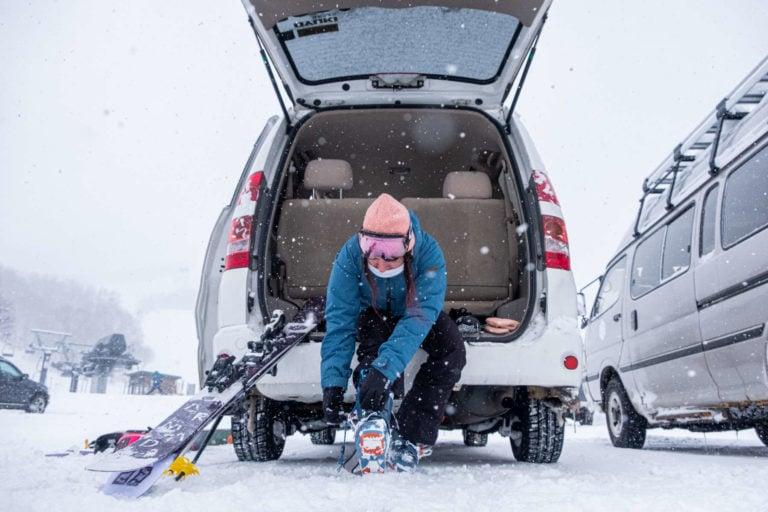
For a Niseko ski trip, pack waterproof outerwear, warm base layers, wool or synthetic ski socks, insulated gloves, goggles, a helmet, snow boots and layers you can adjust throughout the day. Avoid cotton because it holds moisture and can leave you cold. Niseko United recommends merino or synthetic base layers, waterproof ski clothing, powder-friendly trousers, warm gloves and suitable snow boots. Also pack everyday winter clothes for restaurants and village walks. If you stay at Aspect Niseko, laundry facilities, ski valet services and boot-drying facilities can help reduce how much you need to carry.
Planning your first ski trip to Niseko can make packing feel surprisingly complicated.
You may be travelling from a warm climate, arriving with little experience of Japanese winter conditions. A suitcase that works for summer in Australia, Singapore or Malaysia will not be enough for a week in Hokkaido.
The good news is that you do not need to pack your entire wardrobe.
The key is choosing the right layers and making sure your outer clothing can handle Niseko’s snow. The resort is famous for heavy powder, and Niseko United recommends technical layers rather than cotton for deep-snow days.
This Niseko packing list covers what you need on the mountain, what to wear around Hirafu, and what you can leave at home.
Your Niseko Ski Trip Packing List
Before thinking about restaurants, sightseeing or après-ski outfits, start with your mountain essentials. You will spend hours outside in snow, wind and changing temperatures, so waterproofing and layering matter more than simply packing thick clothing.
Ski Clothing
For skiing and snowboarding, pack:
- Waterproof ski jacket with a powder skirt
- Waterproof ski pants or bib pants
- Merino or synthetic thermal base layer
- Warm fleece or light down mid-layer
- Wool-blend ski socks
- Waterproof gloves or mittens
- Thin glove liners
- Neck warmer or balaclava
- Ski goggles
- Helmet
- Hand warmers
Niseko United specifically recommends synthetic or merino base layers instead of cotton. It also suggests waterproof outerwear, warm gloves, goggles suitable for changing light and snow boots with good grip.
The important principle is simple: layer rather than rely on one extremely heavy item. You can remove a mid-layer when you are warm, then add it again when temperatures drop or you stop moving.
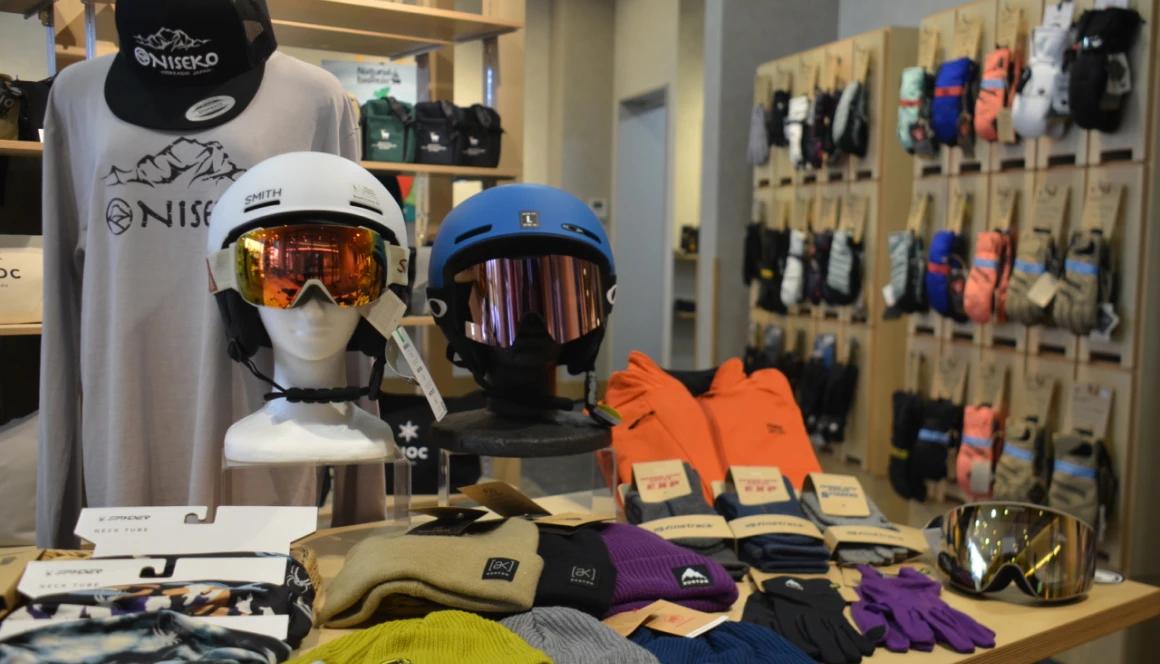 What to Wear for Skiing in Niseko?
If you are wondering what to wear skiing Niseko, think in three layers.
The first is your base layer. It sits against your skin and should move moisture away from your body. Merino wool or synthetic fabric works well. Cotton is less suitable because it absorbs moisture and can leave you feeling cold.
The second is your insulating layer. A fleece, wool layer or lightweight down jacket provides warmth without making movement difficult. You may need more or less insulation depending on the weather and how actively you ski.
The third is your outer layer. Your ski jacket and trousers need to protect you from snow and wind. Niseko’s powder can be deep, so trousers with good coverage and a powder skirt on your jacket are particularly useful. Niseko United recommends 20,000mm or higher waterproofing if possible for powder days.
Do You Need a Heavy Winter Coat?
Not necessarily.
Your ski jacket should handle your time on the mountain, while a separate insulated coat can be useful around the village. A long down jacket is comfortable for walking to restaurants, shopping or exploring Hirafu when you are not skiing.
If you are travelling from a warm country, this is one item worth buying before your trip rather than relying on lightweight city clothing.
For evenings, combine a warm coat with a sweater or fleece underneath. You do not need a huge number of outfits because Niseko is a casual winter destination, and sensible layering will keep you comfortable.
Don’t Forget Your Feet
Cold or wet feet can ruin a ski day quickly.
Pack several pairs of proper ski socks rather than relying on ordinary cotton socks. Wool-blend or technical ski socks are better suited to cold conditions, and Niseko United recommends taking two or three pairs.
You will also need waterproof snow boots for walking around Hirafu. Choose boots with good grip because pavements can become snowy or icy.
Avoid bringing only fashionable sneakers. They may work indoors, but they are not a practical choice for walking through deep snow.
One useful strategy is to keep your ski socks dry and separate from your everyday clothing. A waterproof pouch can help when travelling between your accommodation and the mountain.
Gloves, Goggles and Other Small Essentials
Small accessories can make a surprisingly big difference.
Your gloves should be properly insulated and waterproof. Mittens can provide extra warmth, while thin liners allow you to use your hands without exposing them completely to the cold.
Goggles are equally important. Niseko can experience snowfall, cloud and low visibility, but sunny days can also create strong glare from the snow. Niseko United recommends carrying goggles with both low-light and darker lenses when possible.
Also pack a neck warmer or balaclava, hand warmers, lip balm with SPF, sunscreen and tissues. These items take very little luggage space but can become essential during a long powder day.
What to Pack for Non-Ski Days?
A Niseko holiday is not necessarily seven days of skiing.
You may spend an afternoon visiting an onsen, exploring Hirafu, enjoying a long lunch or simply relaxing at your accommodation. Pack comfortable winter clothes that can work across several situations.
A practical non-ski wardrobe could include two or three warm tops, comfortable trousers, a good winter coat, thermal leggings or tights, and a few casual evening outfits. You do not need a separate outfit for every day.
Restaurants and bars around Hirafu generally have a relaxed atmosphere, so comfort is usually more useful than formal clothing.
If you are travelling with children, pack additional socks, gloves and base layers. Kids can get wet quickly when playing in the snow, and having a dry change available can save an otherwise enjoyable afternoon.
How Many Clothes Should You Pack?
This is where accommodation can make a real difference.
You do not need to pack seven complete sets of winter clothing if you have access to laundry facilities. Aspect Niseko’s apartments include utility rooms with washers and dryers, while larger residences can have multiple laundry rooms.
That means you can pack more efficiently.
For a week-long trip, consider bringing around three or four base-layer sets rather than seven. You can wash and dry them during your stay. The same approach works for everyday clothing and children’s clothes.
This is particularly useful for families looking for Niseko luxury accommodation. More apartment space and practical amenities can make a longer ski holiday much easier to manage.
What Aspect Niseko Adds to Your Packing Strategy?
Packing becomes simpler when your accommodation is designed around ski holidays.
Aspect Niseko provides a ski valet, secure ski storage and boot-drying facilities. The property also offers laundry rooms with washers and dryers, making it easier to manage wet clothing during a multi-day winter stay.
That matters because ski equipment creates a surprising amount of daily mess. Wet gloves, socks, base layers and boots need somewhere to dry, especially after a heavy powder day.
The property’s guest services can also assist with ski-related arrangements, including rentals, lessons and other activities.
For guests booking a luxury stay in Niseko, these practical details are worth considering alongside views, apartment size and design. Luxury is much more useful when it also makes the everyday parts of a ski holiday easier.
What You Can Rent in Niseko?
You do not necessarily need to fly with every piece of ski equipment.
Skis, snowboards, boots, poles and helmets can generally be rented in Niseko. Aspect Niseko also offers guest assistance with ski rentals and related services.
If you are a beginner, renting can be particularly practical. You avoid transporting bulky equipment through airports and can arrange equipment according to your ability and conditions.
If you already own high-end skis or a snowboard that you know well, bringing your own equipment may still make sense. Just remember to check your airline’s sports-equipment rules before travelling.
What Not to Pack for Niseko?
Avoid filling your suitcase with bulky cotton clothing.
- You also do not need multiple heavy coats, excessive formalwear or a separate outfit for every evening. Niseko is a winter resort, and practical layers are more useful than a large wardrobe.
- Do not forget to leave space for the things you may buy in Japan. Winter accessories, snacks, souvenirs and ski-related purchases can quickly take up room on your return journey.
- Most importantly, do not assume your normal winter wardrobe will be enough. Niseko’s snow conditions can be very different from what visitors from warmer countries are accustomed to.
Niseko Packing List for Families
Families need a slightly different strategy because children often get wet faster than adults.
Pack extra gloves, socks and base layers for younger children. Waterproof snow pants are useful for children who spend time playing outside, even if they are not skiing every day.
Keep one complete dry outfit accessible rather than buried at the bottom of your suitcase. This is particularly useful on arrival day, when children may want to play in the snow before you have fully unpacked.
For parents, a small daypack can carry snacks, tissues, spare gloves and hand warmers while you are out exploring.
The Smart Way to Pack for Niseko
The best Niseko packing list is not necessarily the longest one. It is the one built around warmth, waterproofing and layers.
Prioritise technical base layers, proper ski socks, waterproof outerwear, insulated gloves, goggles, a helmet and good snow boots. Add practical clothing for evenings and village walks, then avoid filling your suitcase with unnecessary bulky items.
Your accommodation can also influence how much you need to bring. With laundry facilities, ski valet services and boot drying at Aspect Niseko, you can pack more efficiently while keeping wet gear under control.
For travellers planning a luxury stay in Niseko, that combination of comfort and practical ski amenities can make the entire holiday easier.
Pack for the snow, leave room in your suitcase, and let Niseko handle the rest.
Frequently Asked Questions About Packing for Niseko
What should I wear skiing in Niseko?
Wear a moisture-wicking base layer, warm mid-layer and waterproof ski jacket and trousers. Add waterproof gloves, ski socks, goggles, a helmet and a neck warmer. Niseko United recommends merino or synthetic base layers rather than cotton.
Do I need waterproof clothing in Niseko?
Yes. Niseko is known for heavy snowfall, so waterproof ski clothing is essential. A powder skirt and well-sealed outer layers are particularly useful during deep-snow days. Niseko United recommends 20,000mm or higher waterproofing where possible.
How many layers should I wear skiing in Niseko?
Three basic layers work well: a moisture-wicking base layer, an insulating mid-layer and a waterproof outer layer. You can adjust the middle layer according to the temperature and your activity level.
Do I need snow boots in Niseko?
Yes. Snow boots with good grip are strongly recommended for walking around Hirafu. Ordinary sneakers are not ideal for snowy or icy pavements.
Can I do laundry at Aspect Niseko?
Yes. Aspect Niseko apartments include utility rooms with washers and dryers. Some larger apartments have multiple laundry rooms.
Does Aspect Niseko have ski storage?
Yes. Aspect Niseko provides ski valet and ski storage facilities, along with boot-drying facilities designed to make ski days more convenient.
Should I bring my own skis to Niseko?
It depends on your preferences. Experienced skiers with equipment they know well may prefer to bring their own. Beginners and occasional skiers may find renting easier, particularly when travelling internationally.